Robots enter the fireground, AI predicts wildfires through smoke, and wearables track the biomarkers stealing 10 years
Robots are entering the fireground. Not in five years. Now. This week, we've got operational robots rolling into 1,000-degree environments, AI predicting wildfires through clouds and smoke, and wearable tech tracking the biomarkers that steal 10 years off your life expectancy. Let's dig in.
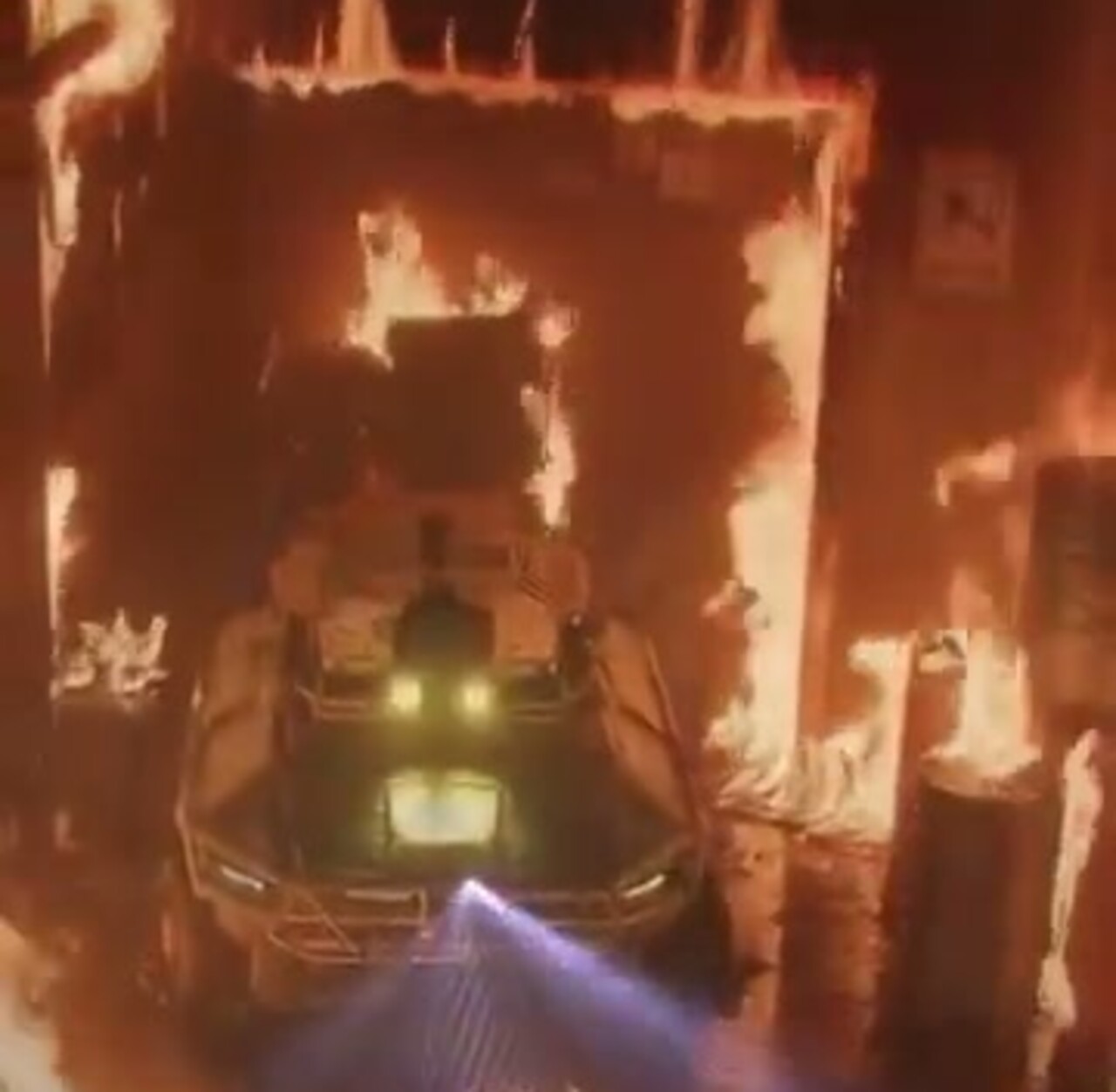
Hyundai's Firefighting Robot Is Already on the Job in South Korea
Hyundai just donated four six-wheeled autonomous firefighting robots to South Korean fire stations. Two are already deployed. This isn't a concept - it's operational. The robot drives itself into environments hitting 1,000 degrees, uses self-cooling water spray to survive, sees through smoke with thermal imaging, and hits 31 mph on the way there. It climbs 60% grades, which means parking garage ramps are no problem. Built on a military chassis, it carries a massive hose for suppression and illumination. The robot does what human firefighters physically cannot: enter extreme heat ahead of crews, map escape routes, suppress fire, and light the way.
Read the full story at Popular Science → | Hyundai press release
Members: Full technical breakdown, cost-benefit analysis, and comparison to US firefighting drones (LAFD RS3, Boston Dynamics Spot). Full breakdown →
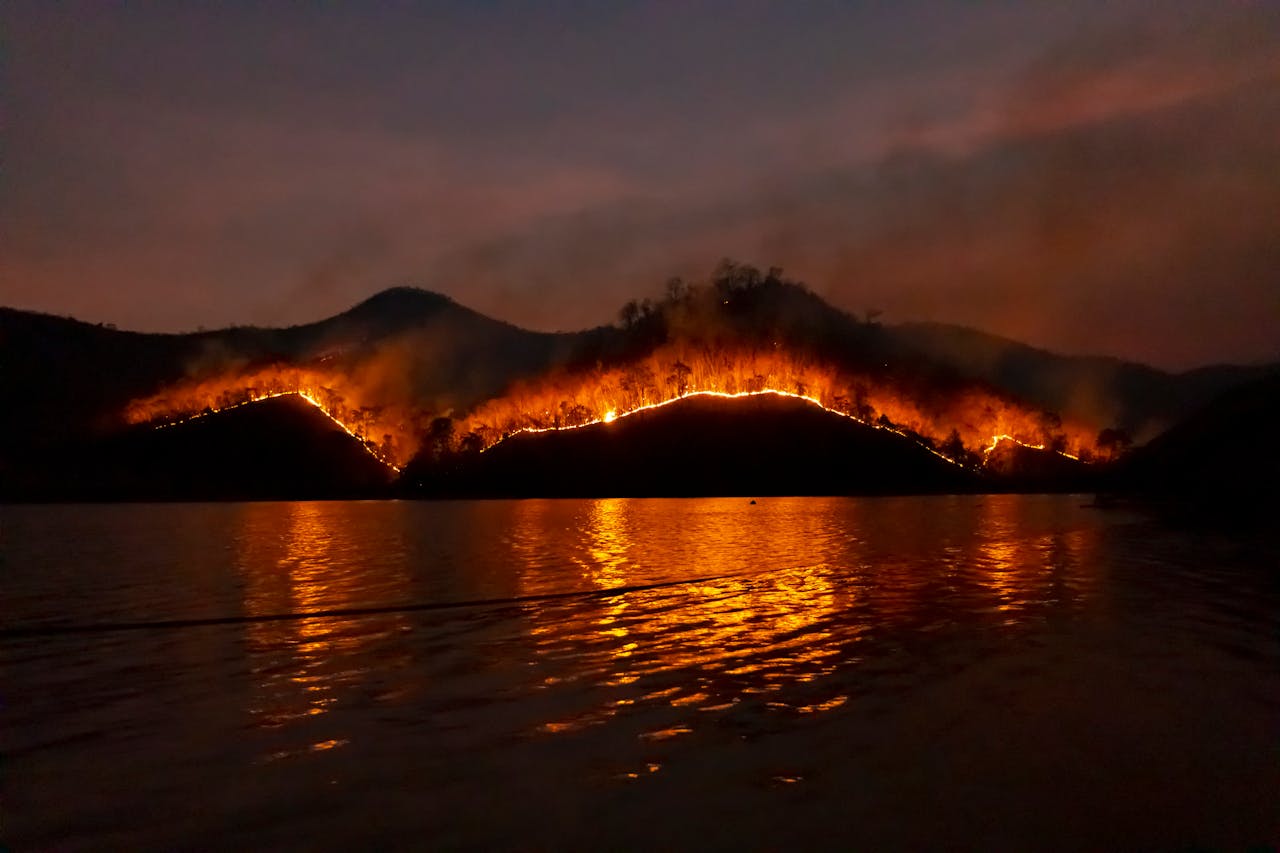
New Wildfire AI Predicts Through Smoke and Clouds
University of Buffalo researchers just published wildfire forecasting AI that works even when satellite data is corrupted by smoke, clouds, or sensor failures. Every wildfire prediction system depends on satellite thermal imaging - but satellites can't see through clouds and smoke. This AI fills in the gaps and keeps predicting accurately anyway. It's a two-stage system: first, it reconstructs missing fire map data through AI inpainting, then predicts spread. Tested on 103 wildfires across Hawaii. It restores prediction accuracy to near-clean-input levels even under 80% data corruption. Code and datasets are publicly available on GitHub.
Read the full story at Phys.org →
Members: Technical deep-dive on the two-stage framework, comparison to current USFS/CAL FIRE predictive tools, and pathway from academic preprint to fire service deployment. Full breakdown →

CAL FIRE Launches Biomarker Program to Fight the 10-Year Life Expectancy Gap
CAL FIRE Local 2881 and Hundred Health launched a program using biomarker testing and wearable device data to spot early health changes firefighters may not detect. Firefighters lose around 10 years of life expectancy versus the general population due to toxic exposures, sleep disruption, and cardiac stress. The program aims to build the first large-scale dataset tracking job-related exposures - carcinogens, heat stress, sleep loss - across thousands of firefighters over years. Mike Morlan, a 30-year CAL FIRE firefighter, advocates treating the body like "mission-critical equipment."
Read the full story at Gov.ca.gov → | UC Davis research details
Members: Interview insights with Mike Morlan and Dr. Eve Henry, breakdown of specific biomarkers tracked, wearable device recommendations for individual firefighters, how departments can implement similar programs, and grant opportunities for occupational health monitoring. Full breakdown →
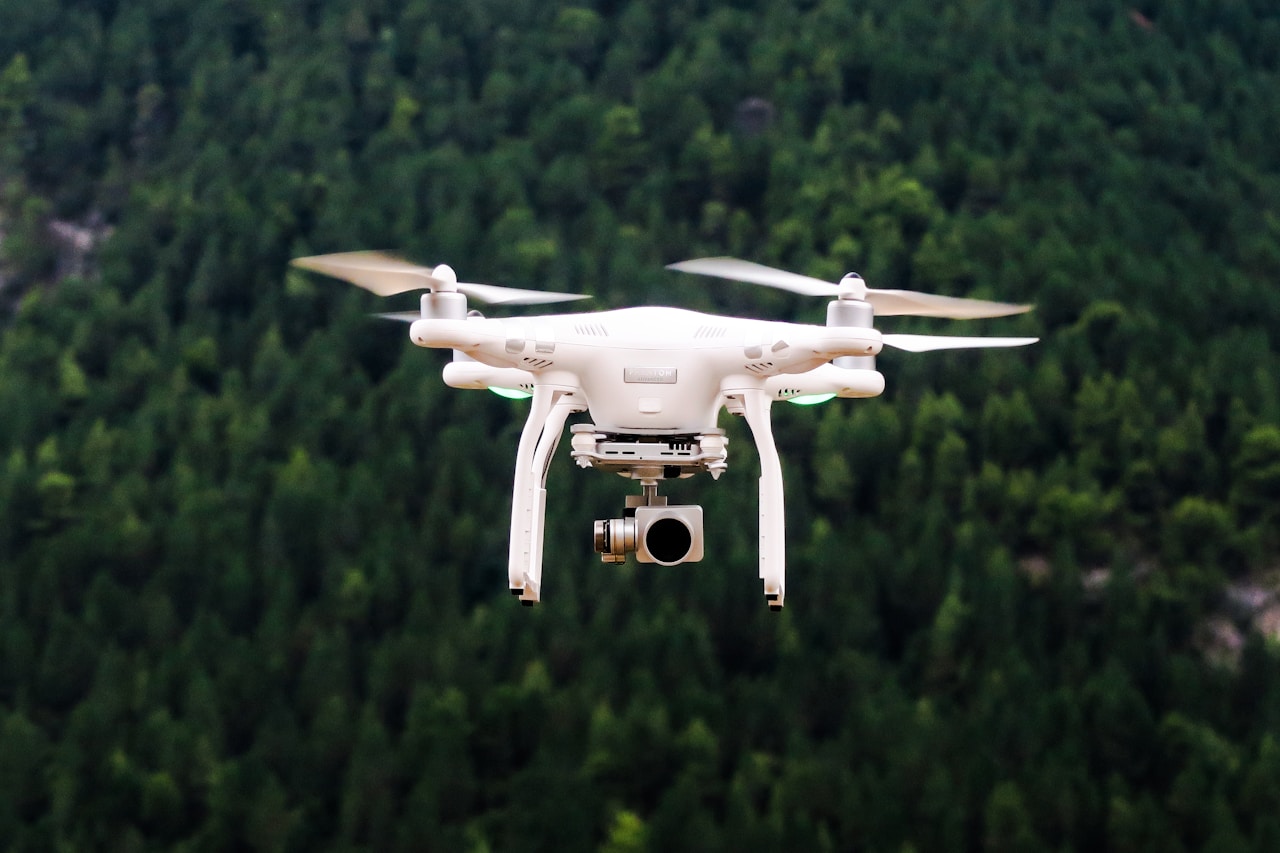
Huntsville Deploys Live-911 and Drone-First Response for Silent 911 Calls
Huntsville Police Department is deploying Live-911 technology to pinpoint exact caller location when verbal communication fails. North Alabama Multi-Agency Crime Center can monitor 911 calls immediately and dispatch drones to the scene within two minutes. It's designed for medical emergencies where the caller goes unconscious, kidnapping scenarios, or any situation where the caller cannot verbally disclose location. Installation and training will be complete within 30-60 days. When someone calls 911 and can't speak - medical emergency, abduction, stroke - every second counts. This system sends a drone to the exact GPS coordinates in under two minutes while dispatchers are still trying to piece together the location.
UL FSRI Releases New Residential Search & Rescue Research
UL Research Institutes' Fire Safety Research Institute released a new technical report on residential home size-up and search & rescue operations. It expands on previous research and provides three new search and rescue tactical considerations based on full-scale residential fire experiments. The research shows how simultaneous interior/exterior attack and post-knockdown ventilation can improve firefighter safety and victim survival.
Read the full story at Firehouse.com →
Members: Full breakdown of the three tactical considerations, comparison to current NFPA standards, how to implement in training, and link to full technical report. Full breakdown →

Waymo Enters Active Incident Scene in San Antonio - AV Protocol Gap Exposed
A driverless Waymo vehicle entered an active incident scene in San Antonio. The person behind the wheel was cited by San Antonio Police. It raises questions about autonomous vehicle protocols at emergency scenes: How do AVs recognize scene perimeters, emergency vehicle lights, and hand signals from law enforcement/fire personnel? Autonomous vehicles are already on public roads in major US cities. They're going to enter your incident scenes - it's not "if" but "when." San Antonio just gave us the test case.
Read the full story at Firehouse.com → | San Antonio Express-News
Smart911
What it does: Smart911 is a free service where you create a Safety Profile with critical info - medical conditions, disabilities, emergency contacts, pet info, home layout. When you call 911 from a registered device, that profile automatically displays to the dispatcher.
Why you care: As a firefighter, you know the first question dispatch asks is "what's your emergency?" and the caller often can't articulate clearly under stress. Smart911 gives dispatch your pre-loaded info BEFORE you even speak. As a community member, you can set up profiles for your parents, elderly neighbors, anyone who might struggle to communicate in an emergency. Wyoming City Council called it "no longer just an add-on but the essential standard for modern public safety."
What We're Watching
- Motorola's 2026 public safety tech trends report dropped this week. Key prediction: AI in dispatch is no longer experimental - it's becoming standard. When Motorola says it, that's not prediction, that's product pipeline. Expect it in your next RFP cycle.
- NIOSH released an LODD investigation on Lt. Christopher J. Higgins (Montgomery County MD Fire Rescue), who died of a stroke at 46 on his second shift back. The report makes recommendations on frequency and scope of firefighter medical physicals. Every LODD investigation is a lesson written in blood.
- PulsePoint expanding: Danville VA Fire Department just went live this week. Off-duty firefighters can now save lives in their own neighborhoods. If you're CPR-trained and grocery shopping when someone drops two aisles over, PulsePoint puts you on scene before the ambulance arrives.
Get the briefing every Tuesday
Join firefighters and fire service professionals staying ahead of the curve.
Sources
- Hyundai Robot: Popular Science | Hyundai Motor Group
- Wildfire AI: Phys.org | arXiv Preprint 2603.09042 (University of Buffalo)
- CAL FIRE Biomarker Program: Governor of California | UC Davis Cancer Center
- Huntsville Live-911/Drone: WAFF 48 News
- UL FSRI Research: Firehouse.com
- Waymo AV Incident: Firehouse.com | San Antonio Express-News
- Smart911 Tool: Wyoming News
- Motorola Trends: Motorola Solutions Blog
- NIOSH LODD Report: Firehouse.com
- PulsePoint Danville: EMS1