Water Turned Into Data, Autonomous Drones, and Three Years of Missed Response Time Goals
Issue 008 - April 22, 2026
Read time: 4 minutes
This week: a nozzle that trains AI on real fire physics, networked wildfire systems linking helicopters and drones, autonomous suppression drones racing a 10-minute clock, and what San Diego learned from missing response time goals for three straight years. Plus sweat sensors tracking carcinogen exposure and firefighting robots that navigate smoke with millimeter-wave radar.
HEN Technologies raises $22M to turn water into data
Innovation
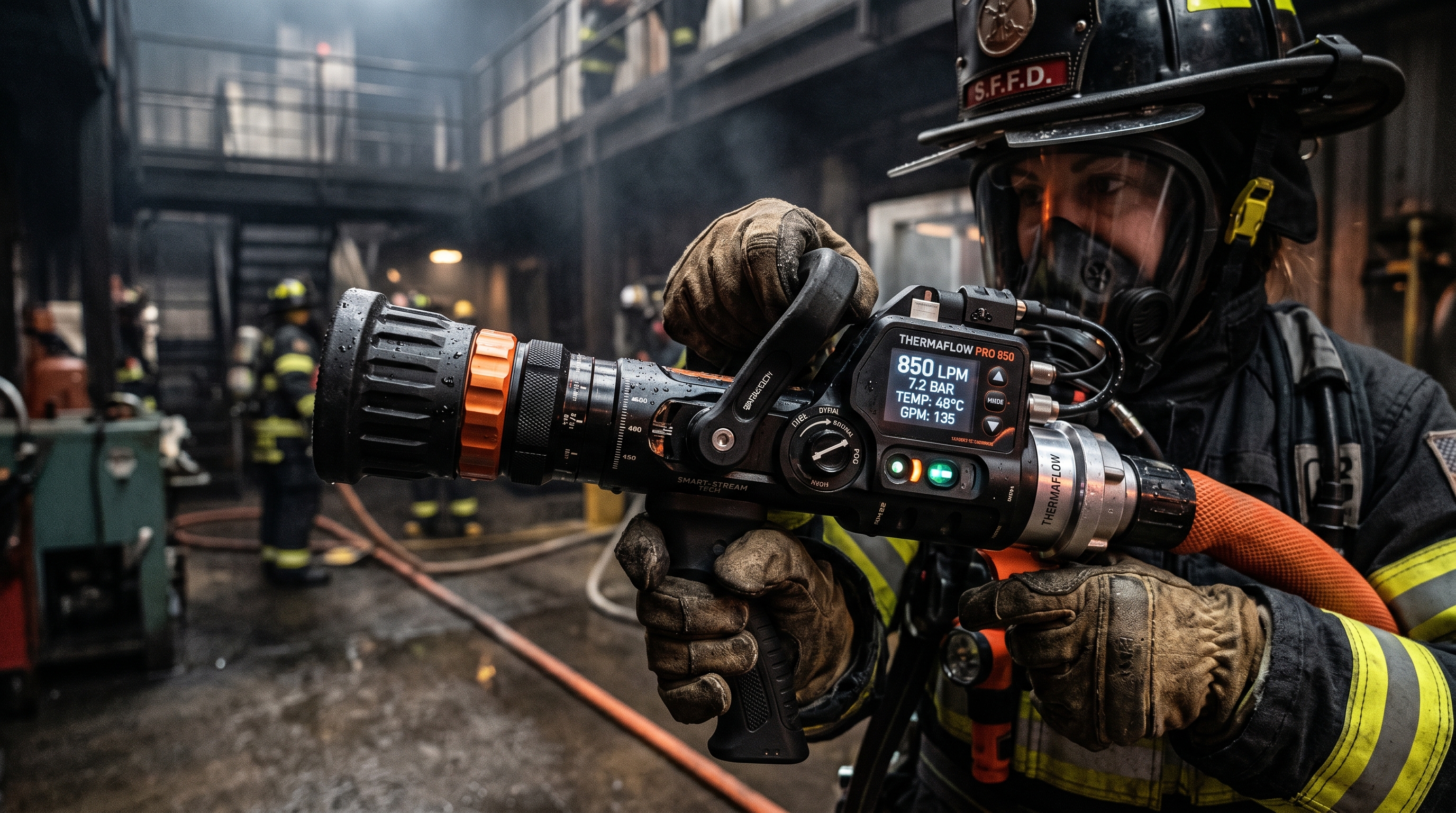
California startup HEN Technologies closed a $22M Series A after revolutionizing fire nozzles with sensors that track water usage, flow rates, and fire behavior in real time. The company's nozzles extinguish fires three times faster while using two-thirds less water. But the real play is data - HEN's cloud platform captures exactly how much water was used, which hydrant was tapped, and weather conditions, creating a dataset that companies training AI world models would pay for. The platform warns crews when wind shifts or engines run low on water. HEN now serves 1,500 fire departments across 22 countries and projects $20M revenue in 2026.
The take: This is the physical-to-digital bridge fire departments have needed for decades. When Palisades and Oakland ran out of water, it wasn't a hydrant problem - it was a communication problem. HEN's sensor suite turns every piece of firefighting equipment into a data source that talks to command in real time. The AI training angle is brilliant - they're not just selling nozzles, they're capturing irreplaceable real-world fire physics data that nobody else has.
Read the full story at TechCrunch →
Smart firefighting robot wins CES Innovation Award with AI fire detection
Robotics
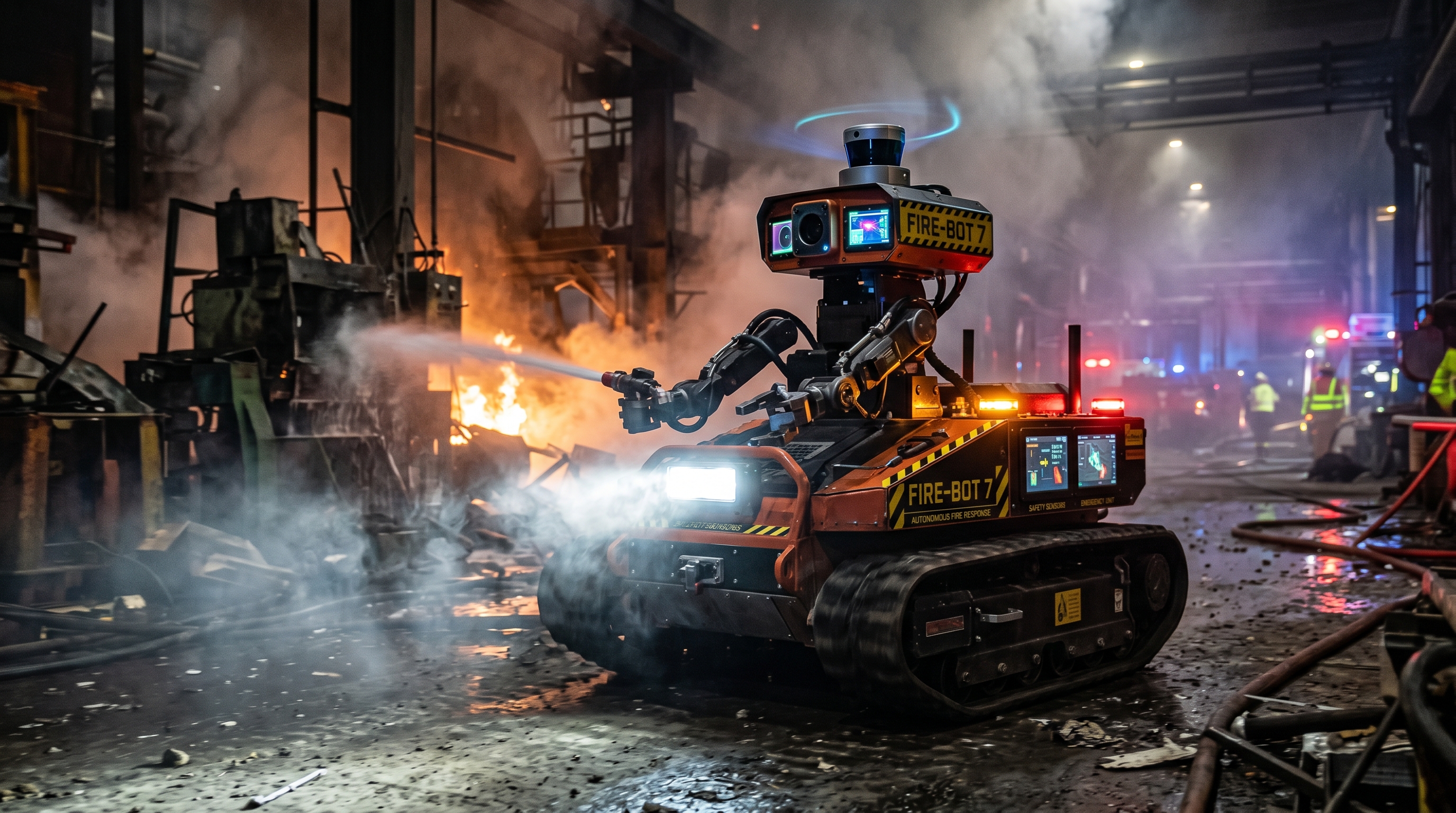
Widemount Dynamics unveiled an AI-driven firefighting robot that navigates smoke-filled environments using millimeter-wave radar SLAM - no GPS or vision needed. Deep-learning modules classify burning materials in real time and auto-select the optimal extinguishing agent. Onboard sensors measure flame power and feed live data to command centers. A closed-loop vision-actuation system locks onto fires and suppresses them without human intervention. The same AI suite can retrofit existing inspection robots, giving them instant fire-detection and suppression capabilities to catch incipient fires before they spread.
The take: This is what happens when you apply autonomous vehicle tech to firefighting. The millimeter-wave radar SLAM is the killer feature - smoke and heat don't matter when you're navigating with radar. Real-time material classification means the robot doesn't waste water on a lithium battery fire. Retrofitting inspection bots is smart market entry - facilities already trust robots for rounds, now those same bots can extinguish small fires autonomously.
Read the full story at CES Tech →
Airbus demos networked firefighting system linking drones, aircraft, and ground crews
Wildfire Tech
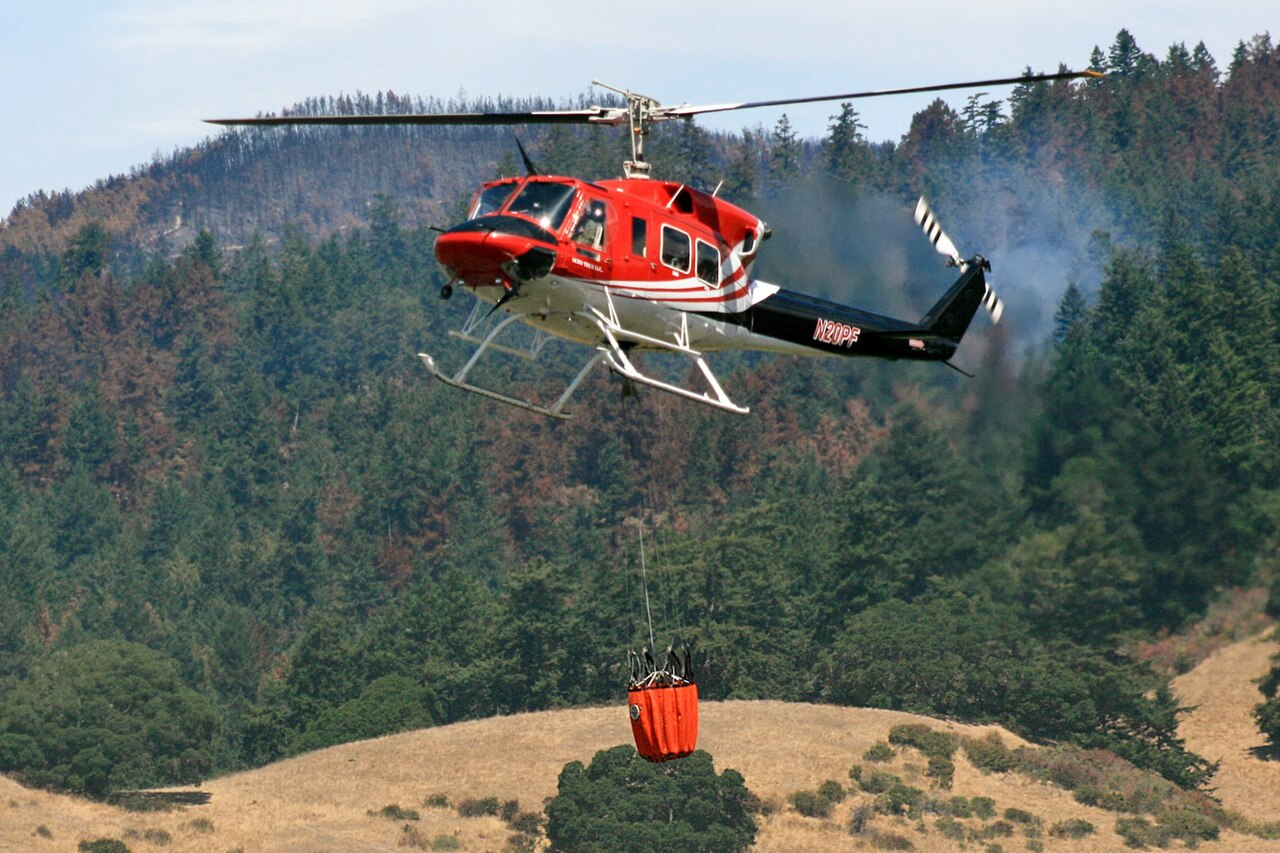
Airbus successfully demonstrated a first-of-its-kind networked firefighting system in France linking helicopters, fixed-wing aircraft, drones, and ground vehicles via a private mobile network bubble connected to Agnet (Airbus's mission-critical communication platform). Drones and light aircraft captured real-time infrared imagery, transmitted it to a command center vehicle, and AI-processed the data with satellite imagery, terrain, wind measurements, and firefighter locations. The system calculated precision water drop points and transmitted flight paths to a helicopter with precision water drop assistance and an ATR72 simulating a water bomber. The trial significantly reduced time between fire detection and extinguishment.
The take: This is F1-level coordination applied to wildfire. The private mobile network bubble is the infrastructure breakthrough - you can't rely on carriers when the towers are burning. Real-time wind data from drones feeding AI path calculations means water drops hit their target instead of drifting downwind. When every aircraft and drone in the airspace shares one tactical picture, incident commanders can orchestrate suppression like never before.
Read the full story at Airbus →
From the team behind The Overhaul Brief
Stop chasing applicants.
Start attracting the right ones.
Your next great firefighter has already scrolled past your recruitment post. Departments using professional video see the difference — applicants who show up already sold on your culture.
We've spent 15+ years on the fireground and made the award-winning docs BURN and BURN X. We don't film departments. We tell the story that makes people want to join yours.
See what your department could look like
University of Maryland's Crossfire advances in $3.5M XPrize wildfire competition
Wildfire Tech
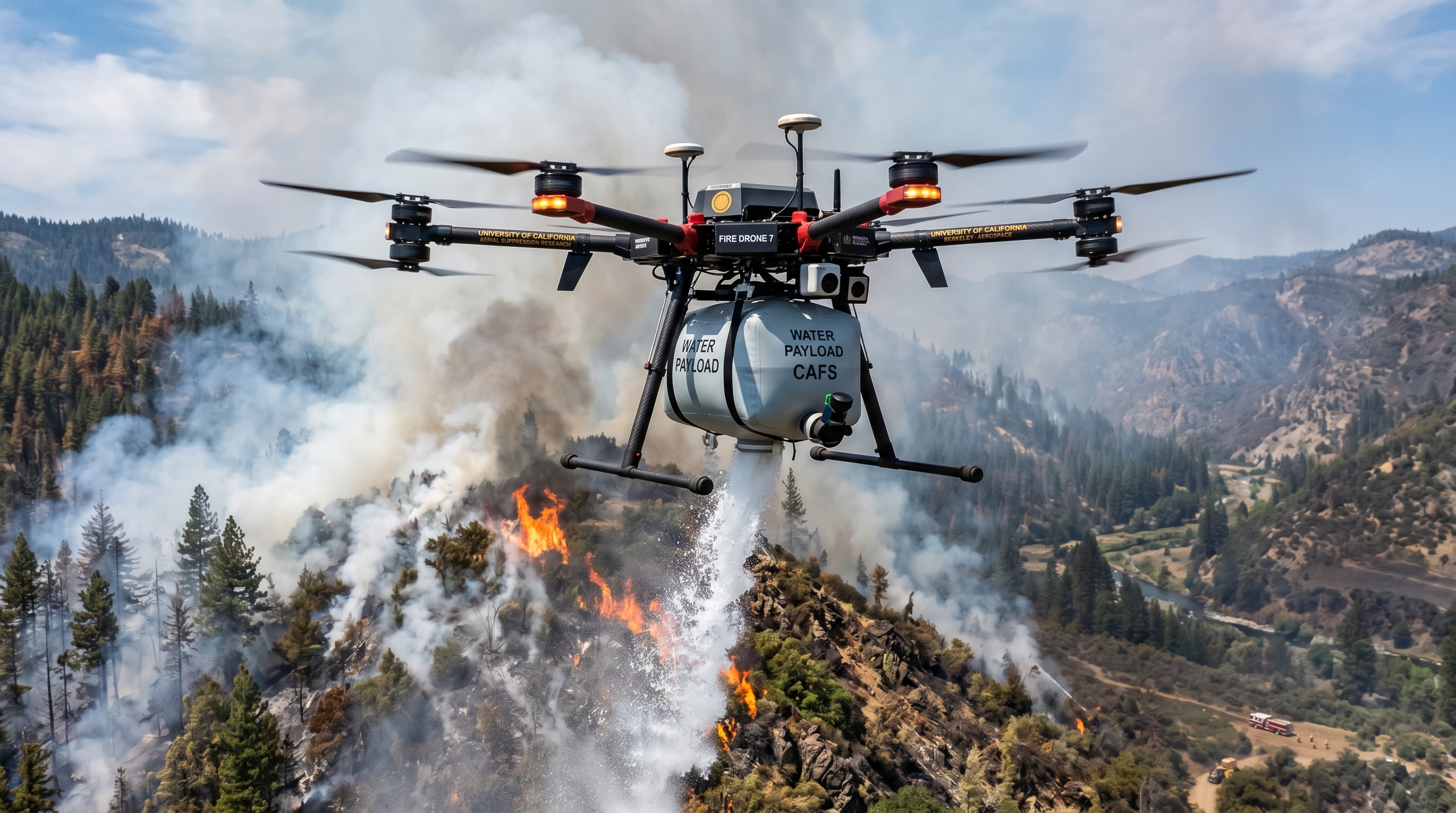
University of Maryland's Crossfire team is competing in XPrize's wildfire suppression semifinal challenge - find a fire within 1,000 square kilometers of challenging terrain and extinguish it within 10 minutes, fully autonomous. Their system uses ground-based cameras to detect fires, launches a DJI scout drone with thermal and color cameras running YOLO deep learning (trained on 40,000 fire photos) to distinguish dangerous fires from campfires, then deploys a heavy-lift Alta X drone carrying water balloons engineered to detonate mid-air at calculated altitude for optimal dispersal. An electric Ford F-150 powers onboard computers. Finals in June 2026. Twelve teams competing; winner gets $3.5M.
The take: XPrize is funding what government won't - risky bets on autonomous suppression. The 10-minute clock forces teams to solve the whole stack: detection, navigation, payload delivery. Crossfire's mid-air detonation approach is smarter than high-altitude water dumps that miss the fuel. The real prize isn't $3.5M - it's proving autonomous drones can extinguish fires faster than crewed aircraft can scramble. If any team wins, procurement policies will have to change.
Read the full story at IEEE Spectrum →
York University designs wearable to track firefighter carcinogen exposure and stress in real time
Health
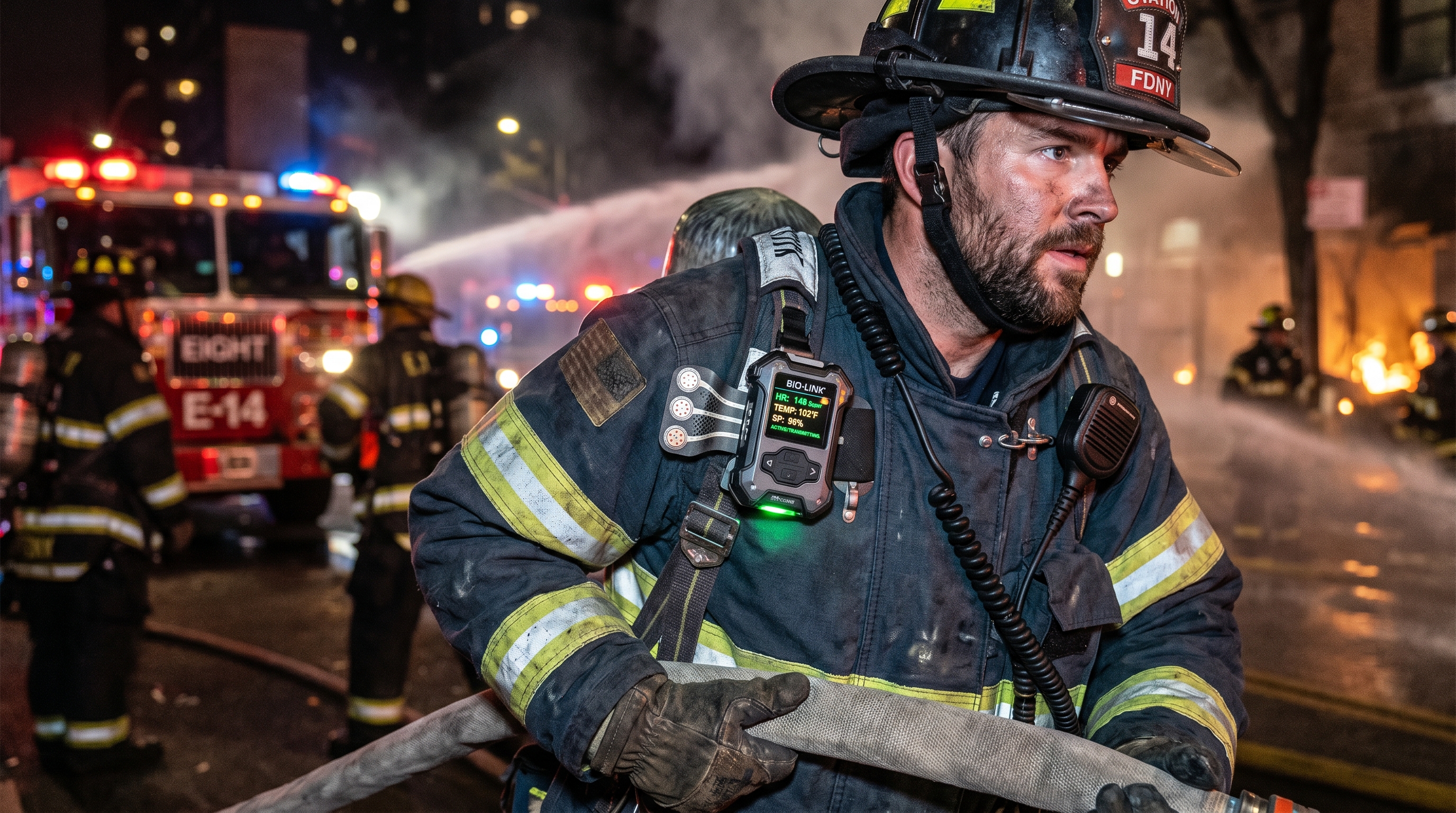
York University researcher Ebrahim Ghafar-Zadeh is developing a wearable monitoring system (funded by Alberta's Supporting Psychological Health in First Responders grant) that measures polycyclic aromatic hydrocarbons (PAHs - cancer-linked combustion byproducts) and cortisol (stress biomarker) through sweat. One component uses skin-worn patches to collect sweat and measure cortisol and absorbed PAHs; another attaches to gear to measure airborne PAHs. Data transmits wirelessly to fire chiefs via an AI framework. Markham Fire and Emergency Services is testing the device. Sensors are built; current stage is trials with firefighters. Team aims for real-world deployment within 1-3 years.
The take: Cancer rates in firefighters are so high that federal and provincial governments are funding this research. PAH exposure clings to gear and skin long after the fire is out - it's the invisible killer. Real-time cortisol monitoring catches decision-making impairment before it becomes a safety issue. Wireless alerts to command mean chiefs can rotate crews based on actual exposure data, not guesswork. The retrofit-to-existing-gear approach is the right call - firefighters won't adopt a separate device.
Read the full story at York University YFile →
San Diego audit reveals three-year streak of missed response time goals after 2019 dispatch change
Operations
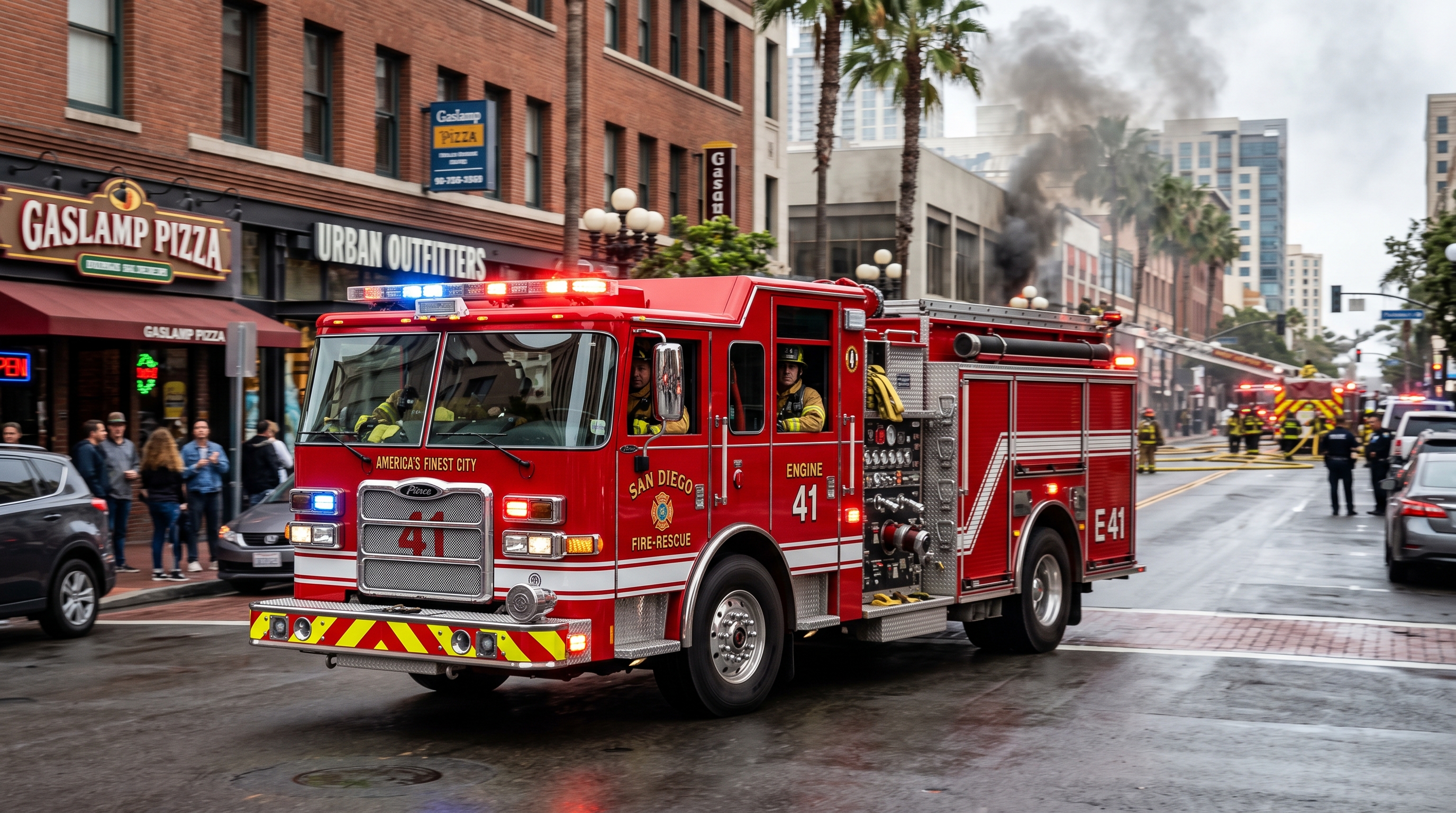
San Diego's Office of the City Auditor found the Fire-Rescue Department missed emergency response time goals for three consecutive years after adopting a 2019 dispatch protocol change without City Council input. The new protocol sends an ambulance first, then triages and deploys a fire engine only if the emergency meets the highest severity level. This reduced canceled deployments but increased average response time by 58 seconds - critical time in severe medical emergencies (which represent 85% of calls). The audit criticized the lack of public and council input on the policy trade-off between preserving firefighter resources and slower response. The department agreed to implement all three audit recommendations, including closer tracking and reporting of response data.
The take: 58 seconds doesn't sound like much until you're the one having a heart attack. The trade-off is real - fewer canceled runs means less firefighter burnout, but triage delays cost time when every second counts. The bigger issue is governance: a policy change that affects 85% of calls should not happen behind closed doors. San Diego's not alone - departments nationwide are wrestling with the same resource vs. response calculus. Transparency on these trade-offs builds public trust; silence erodes it.
Read the full story at KPBS →
TOOL SPOTLIGHT
NIOSH FFFIPP Reports
The Fire Fighter Fatality Investigation and Prevention Program publishes free in-depth investigations of every line-of-duty death it reviews. Each report walks the incident timeline, identifies contributing factors, and lists specific recommendations other departments can apply the same day. Report slides condense the findings into training-ready decks for your next shift briefing.
FFFIPP has produced 400-plus investigations since 1998, with an interactive map covering every firefighter death reported to the U.S. Fire Administration. If you run training, safety reviews, or tailboard talks, this is the richest free source of line-of-duty lessons in the country - and almost nobody outside safety officers knows it exists.
Cost: Free (federally funded)
Format: PDF reports, slide decks, and interactive fatality map
Browse FFFIPP Reports
What we're watching
AI dispatch call classification. Real-time transcription and severity analysis before units roll.
Lithium battery suppression tech. New extinguishing agents and enclosure systems as EV fires increase.
Satellite wildfire detection. Google FireSat constellation launching 2026 for sub-15-minute detection globally.
Get The Overhaul Brief in your inbox
Weekly fire service tech, AI, and innovation. Direct from the fireground to your inbox.
Subscribe
15-plus years on the fireground, behind the camera, inside the department.
Story tips? Email [email protected]