This week from FDIC and beyond: UL FSRI's new coordinated fireground tactics, PFAS-free turnout gear that might trap more heat, Munich's AI answering non-emergency calls, Pierce's AI radar that watches for cars before they hit your apparatus, and MSA's new G1 XR pushing live SCBA data straight to incident command. Plus FEMA finally fast-tracking $250M in flood mitigation grants.
UL FSRI Releases Three New Fireground Tactics for Search and Rescue Coordination
Tactics
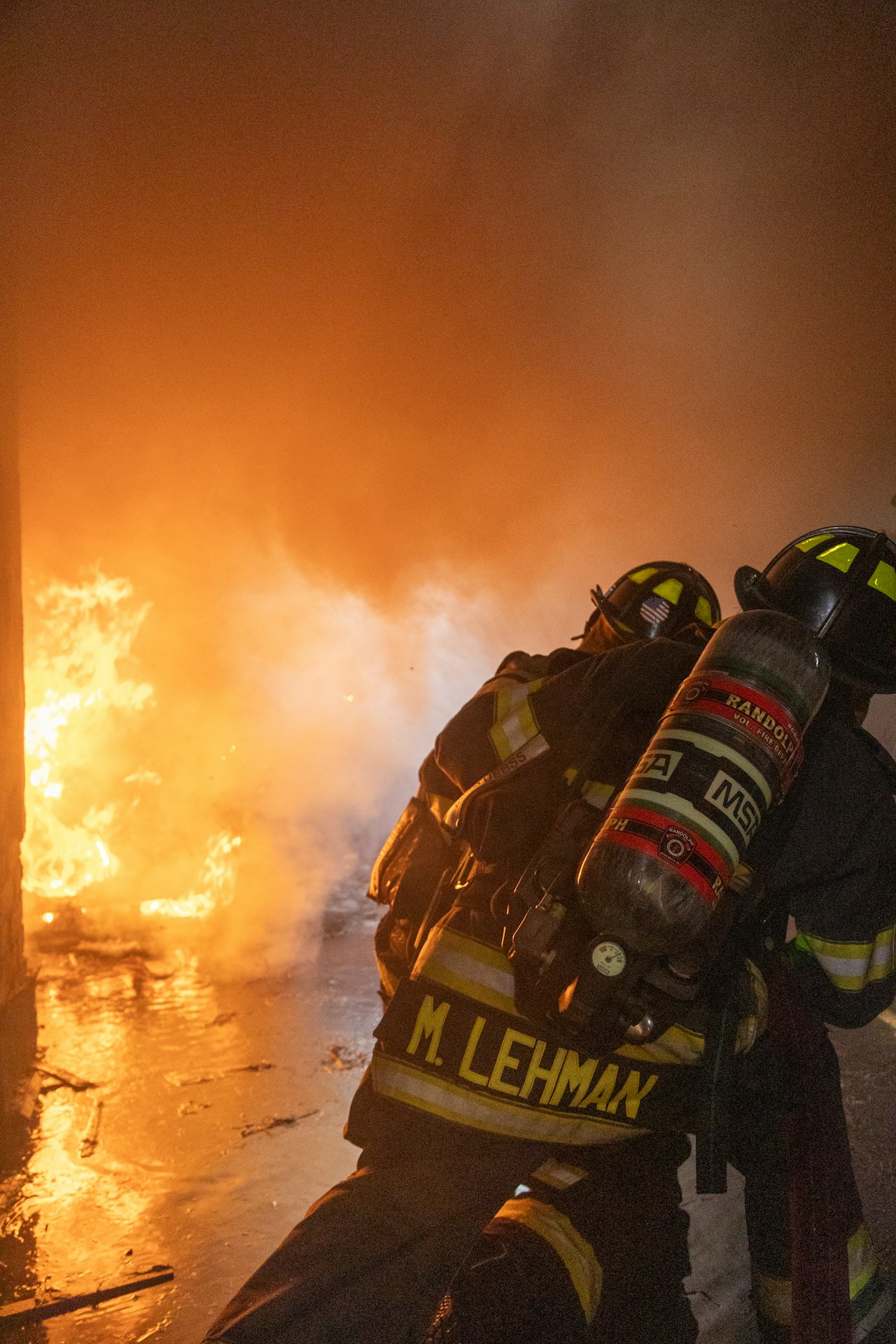
UL's Fire Safety Research Institute released new tactical guidance based on full-scale residential fire experiments examining search, suppression, and ventilation coordination. The report identifies three new tactical considerations: simultaneous exterior/interior attack on fully developed fires with adequate staffing, early ventilation of rooms away from the fire with isolation before suppression, and post-knockdown hydraulic ventilation using multiple hoselines when staffing allows. The findings build on earlier UL FSRI research and will inform an updated training course launching this spring.
The take: UL FSRI has been changing how departments fight structure fires for over a decade, but this latest set of tactics addresses something that's always been hard to coordinate: who does what and when. The simultaneous attack recommendation is going to be controversial in departments that have stuck to traditional sequential tactics, but the data is clear - getting water on the fire from multiple angles faster can create survivable conditions for trapped occupants.
App State, NC State Study New PFAS-Free Turnout Gear for Heat Stress Impact
Research
Appalachian State University and North Carolina State University are testing new PFAS-free moisture barriers in firefighter turnout gear to measure physiological impacts. The $1.5 million FEMA-funded study tracks core body temperature, heart rate, and cognitive function to determine whether new moisture barriers increase thermal and cardiovascular strain. With cardiac events causing 45% of firefighter fatalities annually, researchers are using telemetry pills and environmental chambers to ensure new PFAS-free gear doesn't compromise heat management while protecting firefighters from forever chemicals.
The take: Banning PFAS from turnout gear was the right call for cancer prevention, but no one knew if the fix would create a new problem. This study is the first large-scale look at whether PFAS-free moisture barriers trap more heat and put firefighters at higher risk of heat stroke or cardiac events. If the new gear keeps firefighters hotter, departments will need to adjust operations, hydration protocols, and rehab timelines before the new standard becomes universal.
Munich Fire Department Deploys AI Operator to Handle Non-Emergency Patient Transport Calls
AI
The Munich Fire Department partnered with Microsoft to create an AI operator that handles non-emergency patient transport calls in multiple languages, freeing dispatchers to focus on life-threatening emergencies. The system uses Microsoft Foundry, Azure Speech (HD Voice), and municipal address validation to take transport requests from hospitals and nursing homes, with human dispatchers available if the caller becomes frustrated or the AI doesn't understand. Beta testing showed the AI operator eliminates wait times and reduces language barriers for nurses arranging transports, with broader real-world testing starting at LMU Klinikum in February 2026.
The take: This isn't AI replacing dispatchers - it's AI taking the low-priority calls so dispatchers can focus on CPR instructions and fire response. Munich's approach is smart: the AI handles routine transport scheduling in multiple languages while keeping a human in the loop for anything that goes sideways. For U.S. departments drowning in non-emergency EMS volume, this is a model worth watching.
Stop chasing applicants. Start attracting the right ones.
Your next great firefighter has already scrolled past your recruitment post. Departments using professional video see the difference — applicants who show up already sold on your culture.
We've spent 15+ years on the fireground and made the award-winning docs BURN and BURN X. We don't film departments. We tell the story that makes people want to join yours.
Pierce Debuts CAMS at FDIC: AI Radar That Watches the Roadway So Crews Don't Have To
Apparatus Safety
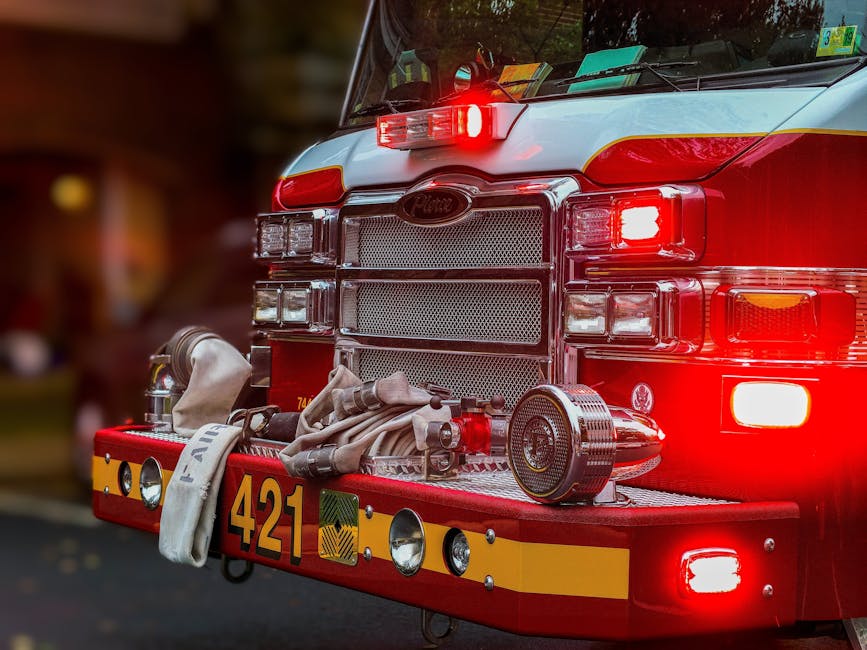
Pierce Manufacturing demonstrated its new Collision Avoidance Mitigation System (CAMS) at FDIC International 2026 on an Enforcer Heavy-Duty Rescue Pumper. The system uses radar, computer vision, and AI to track approaching vehicles when apparatus are working a roadway scene, then issues audible alerts inside the cab when a collision risk emerges. CAMS was developed by Oshkosh's Pratt Miller Motorsports division and won a CES Picks Award earlier this year. It builds on traditional warning lights and traffic cones with active threat detection rather than passive visibility.
The take: Roadway strikes are still killing firefighters who are doing everything right. Cones, lights, and high-vis vests don't stop a distracted driver at 65 mph. CAMS is the first apparatus-level system that gives crews a few seconds of warning before impact, which is the difference between getting out of the way and getting hit. The interesting move is that this came out of motorsports radar, not the fire service - racing already solved "how do you track a fast-moving threat in chaotic conditions" and Oshkosh ported it over.
MSA's New G1 XR SCBA Streams Air, Movement and Alarm Data Straight to Command
SCBA
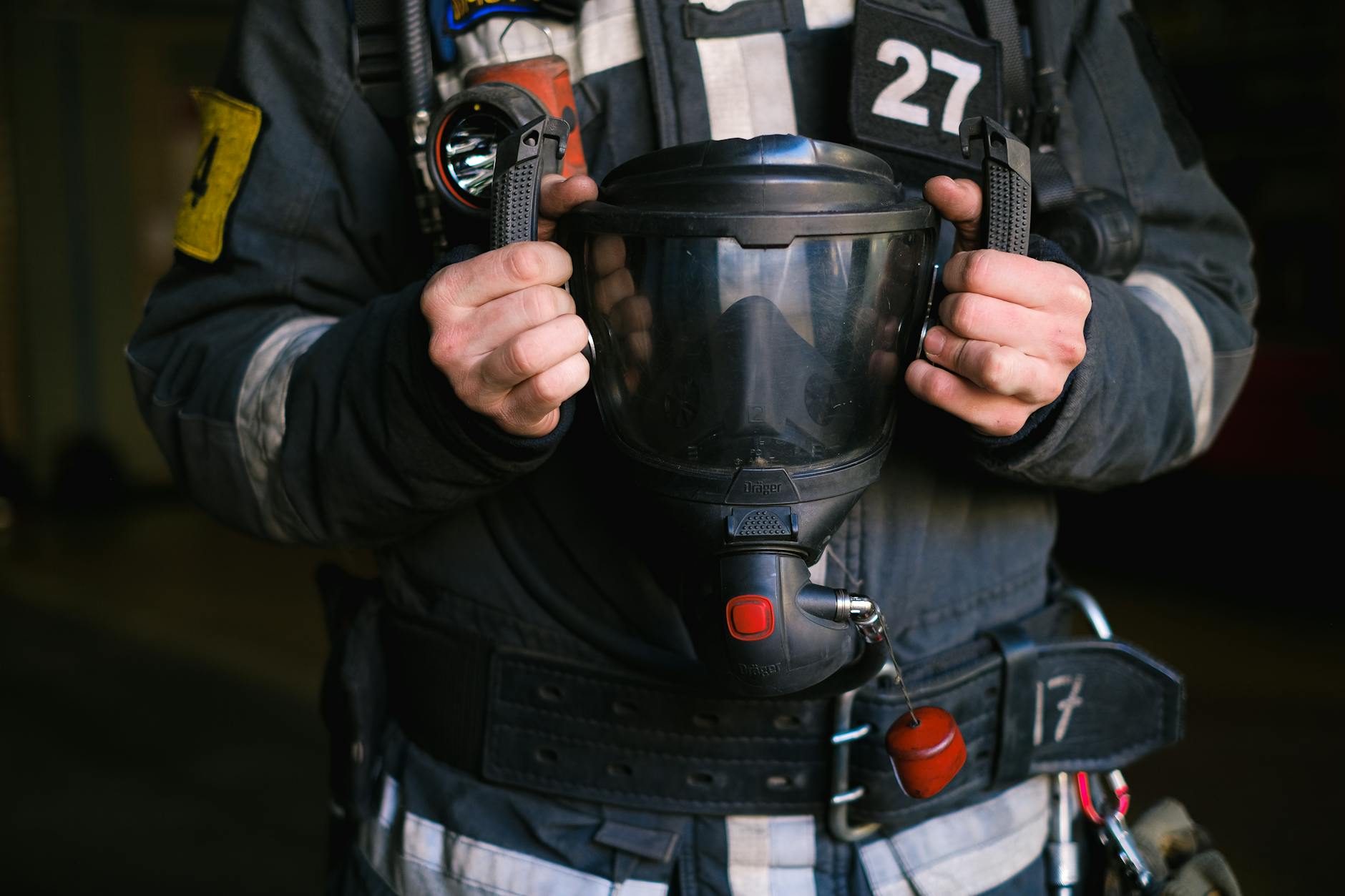
MSA Safety unveiled the G1 XR Edition SCBA at FDIC 2026 along with the FireGrid Incident Command API, a secure cloud connection that pipes individual SCBA data - air pressure, movement, alarms, identity - into the incident command software chiefs already use to track apparatus, hydrants, and crews. The G1 XR is the first SCBA built to the NFPA 1970 2025 edition. Soft goods, lumbar pad, and the breathing air regulator were redesigned based on direct firefighter feedback for clearer comms, easier cleaning, better weight distribution, and a wider fit range.
The take: The hardware refresh is welcome, but the real story is FireGrid. Until now, SCBA telemetry mostly lived inside MSA's accountability app and stayed there. Pushing that data into whatever command platform a chief is already running means the IC sees one operational picture - air supply, location, alarms, apparatus - instead of bouncing between three apps. That's the version of "connected fireground" that actually changes decisions, not the one that just generates more dashboards.
FEMA Announces $250 Million in Flood Mitigation Grants, Fast-Tracking Pending Awards
Grants
FEMA announced over $250 million in Flood Mitigation Assistance funding distributed across 20 states and more than 100 projects, with the agency expediting pending grant awards under direction from DHS Secretary Markwayne Mullin. Funded projects include flood control infrastructure in Ohio, Louisiana, and Oregon, new water systems in Texas, stormwater rebuilding in New Jersey, and Florida elevations through Swift Current rapid-response funding following Hurricane Milton. The funding is designed to prevent future flood damage to structures insured by the National Flood Insurance Program.
The take: Floods are the most common and costliest natural disasters in the U.S., and fire departments respond to most of them. FEMA is finally moving money faster instead of letting mitigation grants sit in approval purgatory for years. For departments that also run water rescue and technical rescue teams, these infrastructure upgrades mean fewer callouts to flooded neighborhoods and fewer victims trapped in rising water.
The U.S. Forest Service's Wildfire Risk to Communities portal maps wildfire likelihood, intensity, and exposure risk for every community in the lower 48 states and Alaska. Fire departments can view their response area's burn probability, potential flame length under extreme conditions, and the number of structures exposed to different risk levels. The tool layers in housing density, previous fire perimeters, and fuel load data to help departments prioritize mitigation, defensible space enforcement, and pre-positioning during red flag conditions.
Departments can download risk assessments as PDFs for grant applications, community meetings, and mutual aid coordination. The data integrates with FEMA's Community Wildfire Defense Grant program, making it easier to justify prevention funding.
New York's volunteer firefighter training stipend expansion - The state added five courses to its reimbursement program, now paying firefighters up to $500 for Fire Officer II, Firefighter 2, and instructor certifications. Completion rates are up 20-35% since the program launched.
NIOSH bulletin on gear contamination - New best practices for gross decon, hood removal, and bagging turnout gear to prevent carcinogen exposure during transport. Backed by University of Illinois and UL FSRI research.
Maryland's Crossfire drone team in XPRIZE wildfire competition - University of Maryland's autonomous suppression drone racing a 10-minute detection-to-knockdown clock. If they win, expect utilities and federal land managers to deploy autonomous swarms within two years.
Get The Overhaul Brief every Tuesday
Fire service tech, AI, and innovation. Delivered to your inbox weekly.