Seattle's Hidden 911 AI, 24/72 Schedule Study, Data Center Fire Risk, And The PTSD Number No One Wants To See
Issue 017 - June 23, 2026
Read time: 8 minutes
This week: the Seattle Times reveals an AI system listening to every 911 call in one of the largest US dispatch centers since 2023, with no council approval and no outcome data published. Plus the first hard data on the 24/72 schedule debate from a peer-reviewed study, Oklahoma State engineers building nanofabrics that block carcinogens at the fiber level, a tri-university team mapping fire risk inside AI hyperscale data centers, Penn State and Toyota redesigning lithium-ion electrolyte chemistry to stop thermal runaway before it starts, and a new meta-analysis explaining why firefighter PTSD goes untreated even when programs exist.
AI in Dispatch
A Newspaper Just Caught One Fire Department Using AI On Its 911 Calls. Dozens Of Others Are Doing It Too.
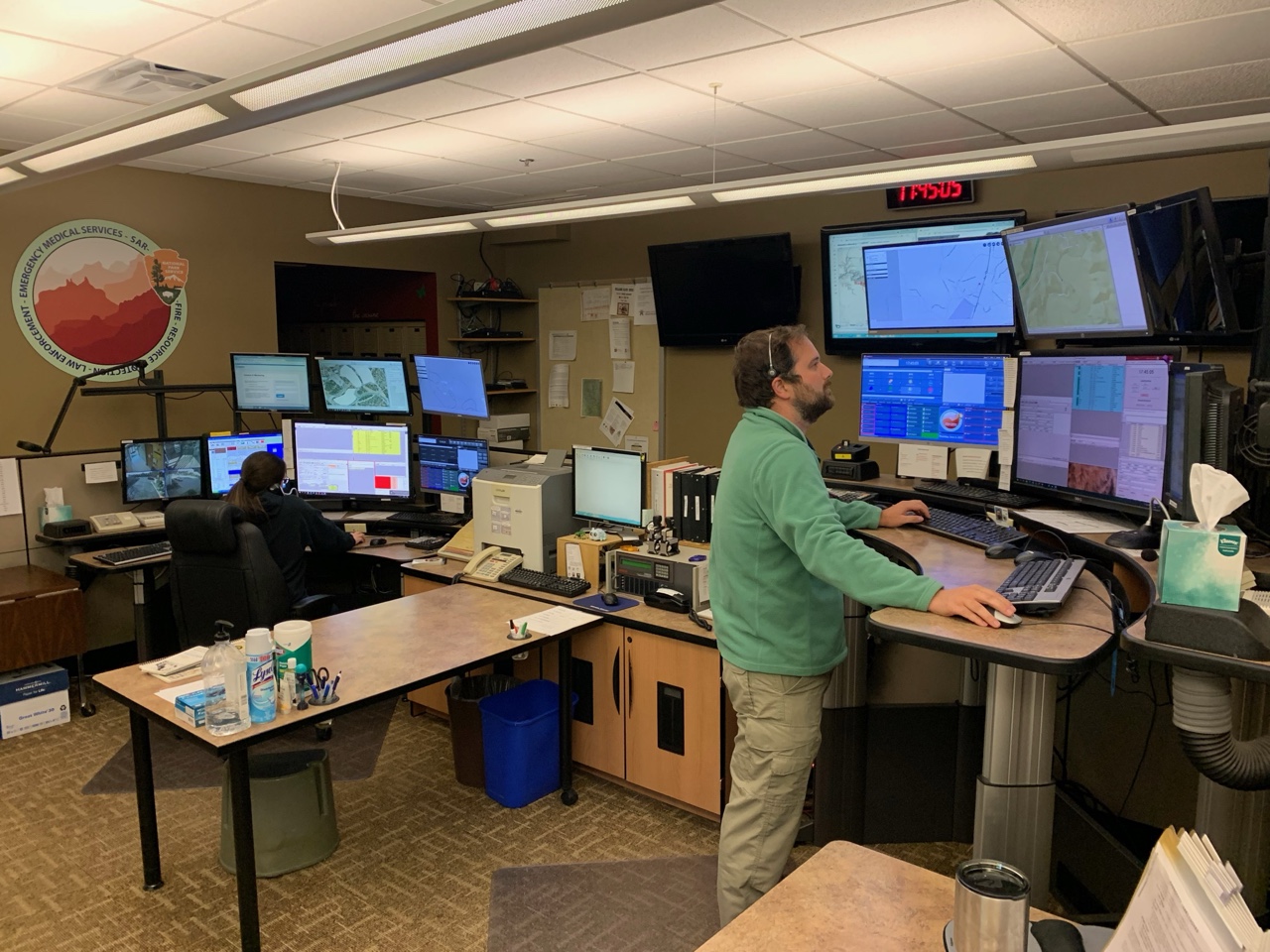
A Seattle Times investigation published June 17 revealed that the Seattle Fire Department has been running AI software from Danish company Corti on every incoming 911 call since December 2023. The system listens to live audio, identifies low-acuity calls, and sends dispatchers a real-time popup recommending diversion to a nurse line instead of a fire or EMS response. The department pays $260,000 per year. The city council was never asked. No outcome data has been published showing whether diverted callers received appropriate care.
This is not a Seattle problem. Corti and competitors are actively selling these tools into US 911 centers right now. Most cities have no policy requiring council review, no requirement to track health outcomes for diverted callers, and no public disclosure framework. The Seattle Times piece is the first detailed public-records-driven look at what happens when a fire department buys AI for the dispatch floor without a governance plan, and it is the template every reporter, city council member, and plaintiff's attorney will use to look at every other department running similar tools.
The take: If your department is piloting AI triage in 911 - or your CAD vendor just pitched it last quarter - you have a narrow window to get ahead of this story before it becomes your story. Three things to do this week: get the contract and the system specs in front of your city attorney, ask your medical director for the outcome-tracking plan in writing, and brief your council on the program before a local reporter does. The technology is not the problem. The accountability vacuum around it is.
First Peer-Reviewed Data On 24/72 Schedules: Every Administrator Surveyed Was Satisfied. The Catch Is What You Already Suspected.
A study published June 4 in Frontiers in Environmental Health surveyed fire department administrators who had already converted to the 24/72 schedule, also called D shift, where firefighters work 24 hours on and 72 hours off across a four-platoon rotation. One hundred percent of respondents reported being satisfied or very satisfied with the change. Administrators cited improved morale, stronger recruitment, better retention, reduced sick leave, and improved shift coverage as the operational outcomes.
The catch is what makes most chiefs hesitate. The 24/72 model requires a fourth platoon, which is roughly a 33 percent increase in personnel headcount to maintain the same daily staffing levels. The most frequently reported challenge was increased overtime costs during the transition window, before the new platoon could be fully hired and trained. Departments that planned for the hiring lift in advance reported a smoother conversion than those that flipped the schedule first and tried to backfill later.
The take: Every union in the country is pushing 24/72 and a lot of chiefs have been pushing back on cost grounds with no peer-reviewed data to point at. This study is the first administrator-focused evidence in the literature that the schedule works organizationally, but it also quantifies the part nobody likes to say out loud - you need a fourth platoon, you need to fund the hiring before you flip the schedule, and you need to plan for transition overtime. Bring this to your next contract negotiation with eyes open on both sides.
Oklahoma State Is Building Wildland Turnouts That Block Carcinogens At The Fiber Level
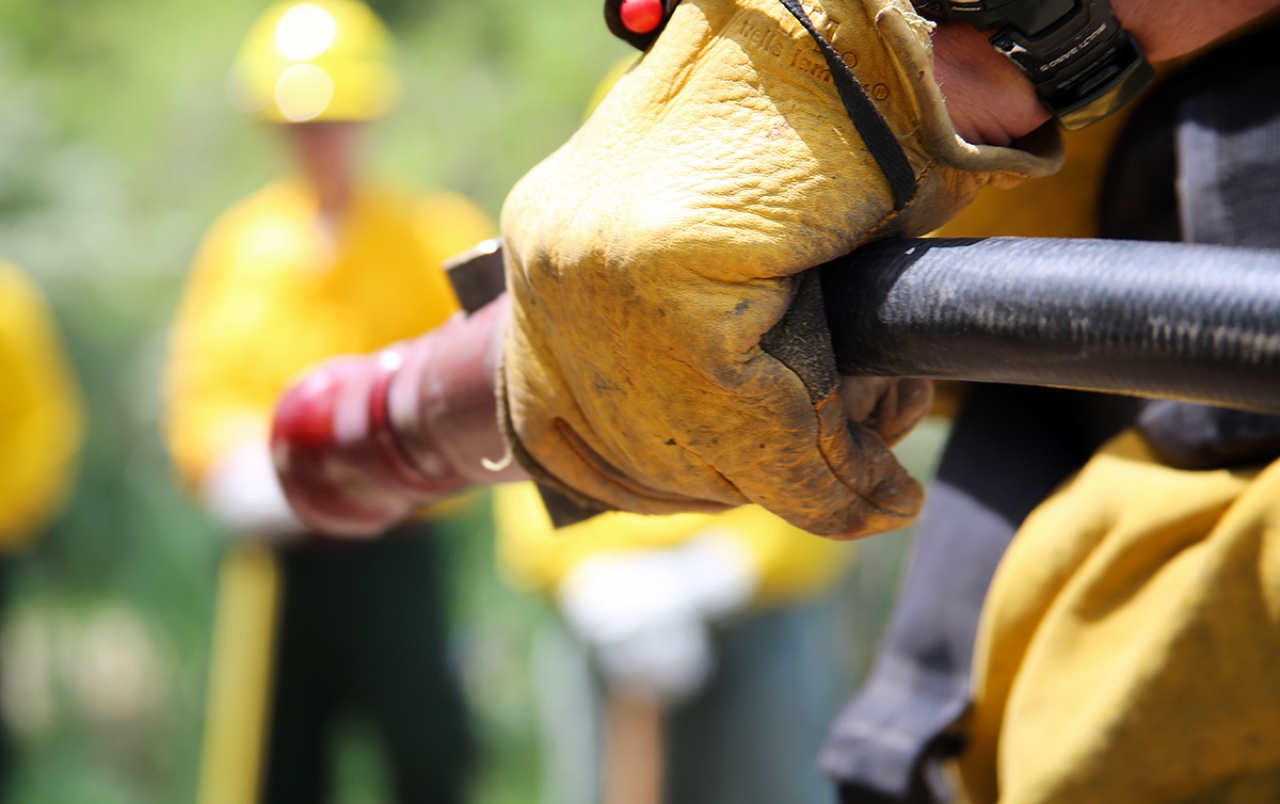
Researchers at the Textile and Apparel Science Laboratory at Oklahoma State University, writing in The Conversation on June 9, laid out a multi-year program to engineer nanofiber wildland gear that physically blocks ultrafine smoke particles from reaching skin while maintaining airflow for heat regulation. The trigger for the work is recent occupational health data showing firefighters face a 58 percent higher risk of dying from skin cancer than non-firefighters and a 40 percent higher risk of dying from kidney cancer. The OSU team visited active controlled-burn sites, collected dirty gear from real crews, and confirmed that fine carcinogenic particles were passing through many of the breathable fabrics currently in wildland use.
The OSU approach uses multilayer textile systems built from electrospun nanofibers, nanocoatings, and nanocomposite materials. The structures physically capture particles without trapping body heat. The team is deliberately avoiding PFAS chemistry because PFAS carries its own cancer risk and faces bans in turnout gear starting in 2027. One open question the researchers flagged: rougher fabric surfaces trap particles better but require improved cleaning procedures to keep contamination out of the skin contact layer over time.
The take: This is the long game on wildland cancer exposure. We are years away from a deployable garment, but the work is happening now and it is being done by a textile engineering team rather than a fire-gear vendor. That matters because the next generation of wildland standards will likely write the performance requirements before the products exist. Departments equipping wildland crews should be tracking this research and building their own gear-decon SOGs in parallel - the skin contact layer is where the next standards fight is going.
Stop Chasing Applicants. Start Attracting the Right Ones.
Your next great firefighter has already scrolled past your recruitment post. Departments using professional video see the difference — applicants who show up already sold on your culture.
We've spent 15+ years on the fireground and made the award-winning docs BURN and BURN X. We don't film departments. We tell the story that makes people want to join yours.
Three Universities Just Mapped Fire Risk Inside AI Data Centers. Departments In Data Center Corridors Should Read It Now.
A collaborative study from Texas A&M, George Washington University, and UC Berkeley, published in the Journal of Loss Prevention in the Process Industries and covered by TechXplore on May 26, analyzes the fire risk landscape inside modern AI hyperscale data centers. The team, led by Texas A&M chemical engineering professor Qingsheng Wang, found that data center fires typically originate from battery storage failures, electrical arc flashes, equipment malfunctions, and human error - and the dangerous finding is that these causes overlap and cascade. Human error during battery installation can trigger arc flashes that ignite other components. The same arc-flash outcome can also occur without human error from a simple short circuit.
The researchers concluded that suppression systems designed for legacy data centers may not be appropriate for high-density battery storage and the cooling configurations used in AI hyperscale facilities. They called for holistic fire prevention strategies, better fire incident reporting from the industry, and specialized suppression that does not destroy the equipment it is trying to protect. The context for fire departments is immediate: in Jerome Township Ohio, two Amazon data centers generated 84 emergency calls in four years, including a two-alarm fire in April 2026 that caused over fifty million dollars in damage and tied up local crews for more than 24 hours.
The take: Data centers are being approved at scale in jurisdictions that have not seriously thought about how to fight the fires they create. Virginia, Ohio, Texas, Arizona, and Iowa are stacking facilities right now. Departments in those corridors should pull this paper, walk it to the building official, and start the pre-incident planning conversation with the operator before the next 2 AM call. The structural fire toolkit does not cover the failure modes the researchers describe.
Penn State And Toyota Are Trying To Stop Lithium Battery Fires Before They Start - By Redesigning The Electrolyte Chemistry Itself
Penn State announced on June 16 that professor Chao-Yang Wang received a multi-year award from the Toyota Research Institute to develop a new generation of safer liquid electrolytes for lithium-ion batteries. The goal is to prevent thermal runaway at the chemistry level, before any suppression system has to engage. The work builds on findings Wang's team published in Nature Energy identifying the specific oxygen-scavenging mechanism that drives thermal runaway in failing cells.
The new program aims to synthesize electrolyte compounds that capture or block oxygen before it reaches the lithium anode, making the cell inherently less likely to catch fire. The applications extend beyond electric vehicles to AI data center battery storage systems and grid-scale storage installations, both of which fire departments are increasingly being called to. The award is part of Toyota Research Institute's largest university program cohort to date - 104 faculty across 31 universities. The work will run multi-year.
The take: The fire service is rightly focused downstream - new SOGs for EV fires, new suppression agents for battery storage, additional training hours on thermal runaway response. This is the upstream fix. If the chemistry works, it means fewer thermal runaway events reach your response area in the first place. Multi-year timeline, so this does not change anything for next shift - but it is the kind of research worth flagging to your training officer now, because a battery chemistry breakthrough will change the risk profile of every EV, e-bike, and energy storage call on the books.
A New Meta-Analysis Explains Why Firefighter PTSD Programs Keep Failing - Even When Departments Fund Them
A meta-analysis covering multiple firefighter mental health studies found that despite growing department investment in peer support and EAP programs, treatment-seeking behavior among firefighters with clinically significant PTSD symptoms remains far below the rate seen in the general population exposed to comparable trauma. The research identifies stigma, concern about fitness-for-duty consequences, and distrust that clinical information will stay confidential from command staff as the three most consistently cited barriers - ahead of program availability or cost.
The practical implication is that departments have been solving the wrong problem. Adding more peer support seats or expanding EAP contracts does not move the needle on utilization if firefighters do not trust the confidentiality wall between the clinical program and their chain of command. The analysis points toward external, non-department-affiliated clinical partners and anonymous access pathways as the interventions most associated with increased utilization in the studies reviewed.
The take: If your department's behavioral health program utilization numbers look thin, the fix is probably not a bigger budget line - it is proving to your people that the program is not a pipeline back to the chief's office. External, confidential-by-design access matters more than the number of programs on paper. Worth an honest conversation with your peer support team about whether firefighters actually believe the wall holds.
In light of this week's lead story, if your department is evaluating or already running AI-assisted 911 triage software, use a governance checklist before (or immediately after) go-live: council briefing on record, medical director sign-off on diversion protocols, outcome tracking for every diverted call, and a public disclosure statement. Several state fire chiefs' associations are drafting model policy language in response to the Seattle Times story - check with your state association before your own local reporter calls.
Cost: Free (policy template; ask your state fire chiefs association)
For: Chiefs and communications center directors running or evaluating AI triage
State fire chiefs associations drafting AI triage model policy - Expect model language on council disclosure and outcome tracking within weeks of the Seattle Times story.
NDAA-style procurement restrictions extending from drones to robotics - As Chinese-manufactured firefighting robots enter the US market, expect the same country-of-origin compliance friction that hit drone programs to hit ground robotics next.
PFAS-free wildland turnout timelines - With PFAS bans in turnout gear approaching in 2027, watch for gear manufacturers to start pre-announcing nanofiber and nanocoating alternatives ahead of the OSU research reaching production.