This week: a North Carolina fire department puts an underwater drone in the water before divers go in, turnout gear PFAS suits headed for their own federal docket, Iowa engineers closing the nighttime wildfire blind spot, and drones delivering AEDs faster than any ambulance.
This week inside the Brief: Fire dept. deploys first underwater rescue drone in the U.S. • Turnout gear PFAS suits may get their own federal docket • NSF funds the first model of how wildfires burn at night • GAO: FEMA cut 4,300 staff with no workforce plan • Virginia county tests drone-delivered AEDs for cardiac arrest • NC State: body armor traps heat differently on women
DEEP DIG · TECHNOLOGY · WATER RESCUE
N.C. Fire Department Deploys First Underwater Rescue Drone in the U.S.
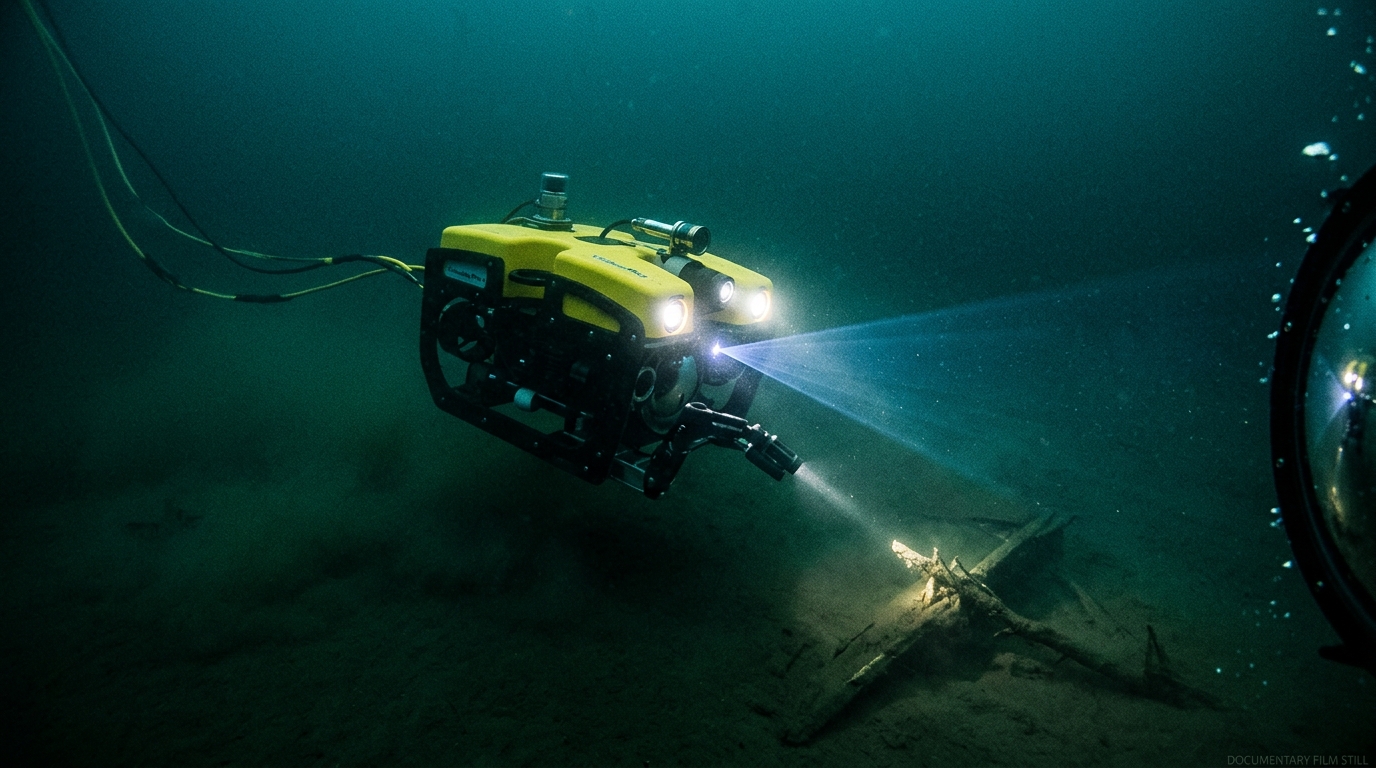
Northern Wake Fire Department in Wake County, North Carolina has deployed an underwater drone built by Norwegian manufacturer Blueye, making it the first fire department in the continental United States to operate one. The drone provides sonar and 4K video beneath the surface, letting crews locate submerged vehicles and victims in conditions where visibility drops to inches and traditional cameras are useless. In murky water, operators navigate entirely by sonar, identifying objects and bodies without putting divers into hazardous conditions first. The department sent team members to Norway for specialized training and is now pre-mapping high-risk areas of Falls Lake, programming search grids the drone can run automatically the moment crews arrive on scene. Captain Adam Stuart said the mapping and training will also benefit neighboring agencies across the Triangle region who can request mutual aid.
The take: Every department near a lake, river or reservoir should watch this closely. Pre-mapped sonar grids that run on arrival could cut water recovery times from hours to minutes and keep divers out of zero-visibility water entirely.
Read the full story at ABC11 →

DEEP DIG · LITIGATION · PPE · PFAS
Federal Judges Weigh New Docket Just for Turnout Gear Suits
The Judicial Panel on Multidistrict Litigation heard oral arguments on July 30, 2026 over whether to create MDL 3191, a new federal docket dedicated solely to lawsuits alleging that firefighter turnout gear itself, not just firefighting foam, exposes crews to cancer-linked PFAS chemicals. The proposal, pushed by the City of Rochester, would pull five pending suits from Minnesota, California and Montana into one coordinated proceeding, separate from the existing 15,000-plus case AFFF docket already running in South Carolina. A federal judge in Montana recently allowed one such gear case to proceed as a class action, and cities like Covington, Kentucky have already begun voting to join the broader litigation on their own, signaling municipalities are no longer waiting for a single mega-docket to act.
The take: This is the accountability story fire pubs are underplaying: a federal decision this fall could reshape how every department in the country buys, warranties and budgets for turnout gear for a decade.
Read the full story at JPML →
RESEARCH · AI · WILDFIRE DETECTION
Iowa Engineers Win NSF Grant to Model How Fires Burn at Night
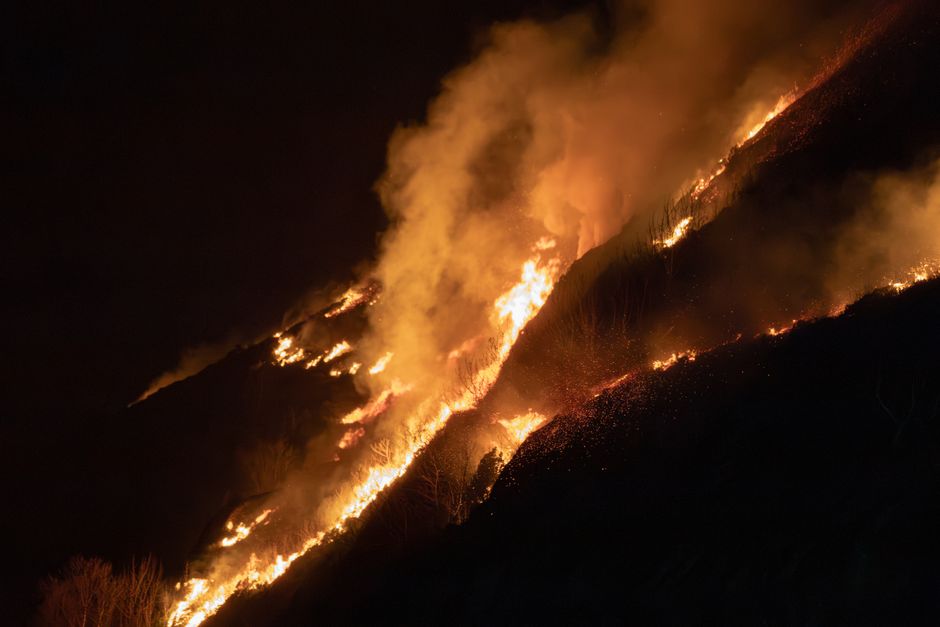
The University of Iowa has secured a National Science Foundation grant for the FIRE-MODEL project to close a major gap in wildfire science: nobody has detailed data on how fires actually behave after dark. The project combines satellite, aircraft and ground-based observations to characterize nighttime fire behavior and the smoke it produces, information current forecasting models mostly lack. The core innovation is a measurement called Visible Energy Fraction, which uses satellite-detected visible light to distinguish a fire actively flaming from one that has dropped into a slower, smoldering state - a distinction that strongly determines how much smoke gets released and what kind. Overnight hours are often when incident commanders make containment-line decisions for the next day, currently based on far less data than daytime observations provide.
The take: Nearly every wildfire AI story is about daytime detection; this is federally funded work aimed squarely at the overnight blind spot that shapes tomorrow's containment strategy.
Read the full story at University of Iowa →

FEDERAL OVERSIGHT · STAFFING · FEMA
GAO Finds FEMA Cut Staff Without Any Workforce Plan
A Government Accountability Office report released August 4, 2026 found that FEMA reduced its workforce in response to 2025 presidential directives without using strategic workforce planning to guide the cuts. More than 4,300 employees separated from the agency in fiscal year 2025, a 55 percent jump in separations from the prior year, and FEMA rescinded its own strategic plan in the process, leaving it with no documented basis for deciding future staffing needs. GAO found FEMA proposed further workforce actions for 2025 and 2026 without assessing whether its current or future workforce could actually meet disaster response demands, a gap the report says risks the agency's core mission just as disaster frequency and complexity keep rising.
The take: Chiefs who lean on FEMA during major incidents should read this as an early warning that federal backup capacity is shrinking faster than anyone is planning for it.
Read the full story at GAO →
DEEP DIG · EMS · DRONES · CARDIAC
Virginia County Tests Drone-Delivered AEDs to Beat the Clock on Cardiac Arrest
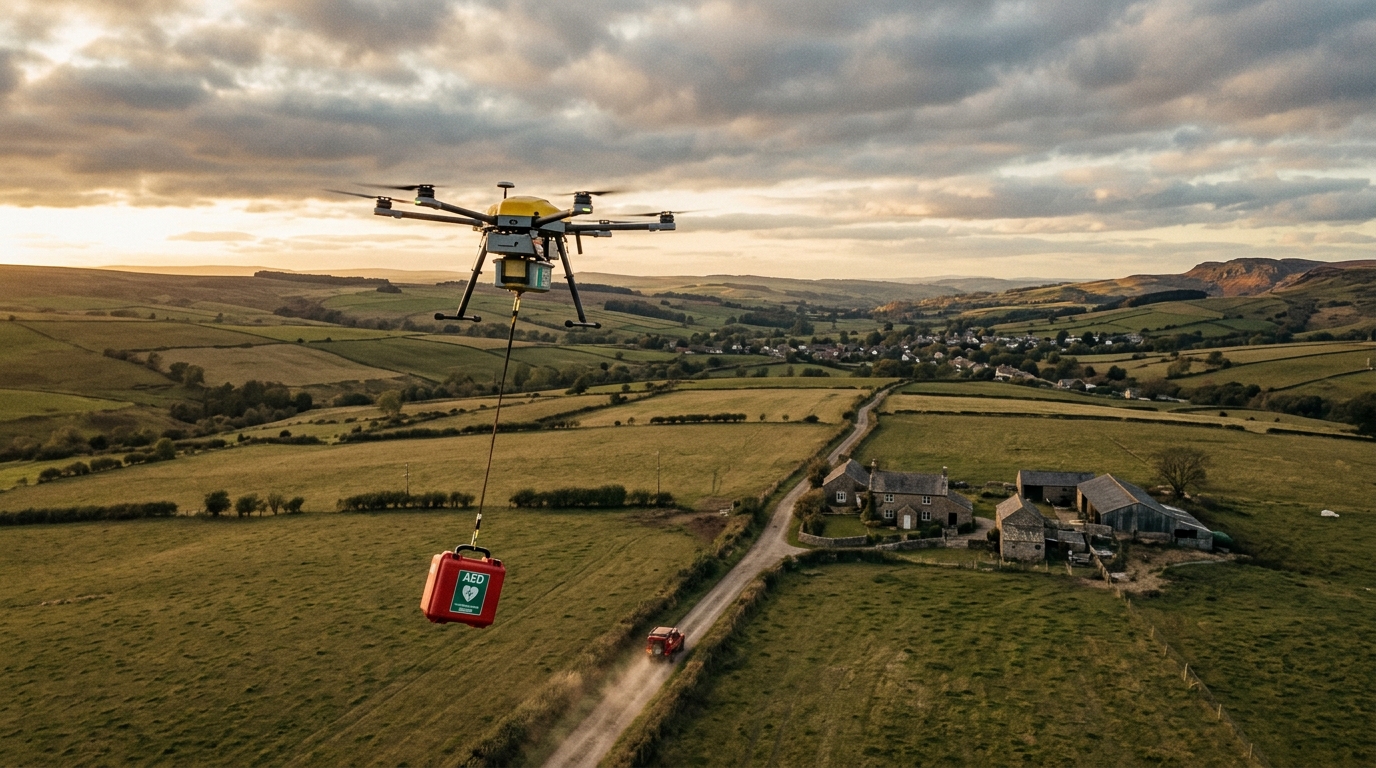
James City County, Virginia launched a first-of-its-kind study on August 1 embedding drone-delivered defibrillators directly into a public fire-EMS system. The project, a partnership between the county fire department, Virginia Commonwealth University and Duke University funded by the American Heart Association, stations a dedicated drone called Air 10 in a five-mile circle around the Toano fire station in the county's most rural area. When a cardiac arrest call comes in, a pilot dispatches the largely automated drone, which lowers an AED on a tether from roughly 100 feet while dispatchers coach bystanders through using it. Early simulations got the drone overhead in two minutes, beating ground units by six. Dr. Joseph Ornato of VCU, who chaired emergency medicine there for 23 years, said the roughly 350,000 Americans who suffer out-of-hospital cardiac arrest each year survive only about 10 percent of the time, with odds dropping 10 percent for every minute without defibrillation. In extremely rural areas, survival drops to nearly zero.
The take: Two minutes versus eleven minutes is not incremental improvement, it is a different outcome. If this study proves the model works inside a public fire-EMS system, every rural department with a cardiac arrest response-time problem has a replicable template.
Read the full story at WHRO Public Media →
RESEARCH · PPE · STANDARDS
NC State Study Finds Body Armor Traps Heat Differently on Women
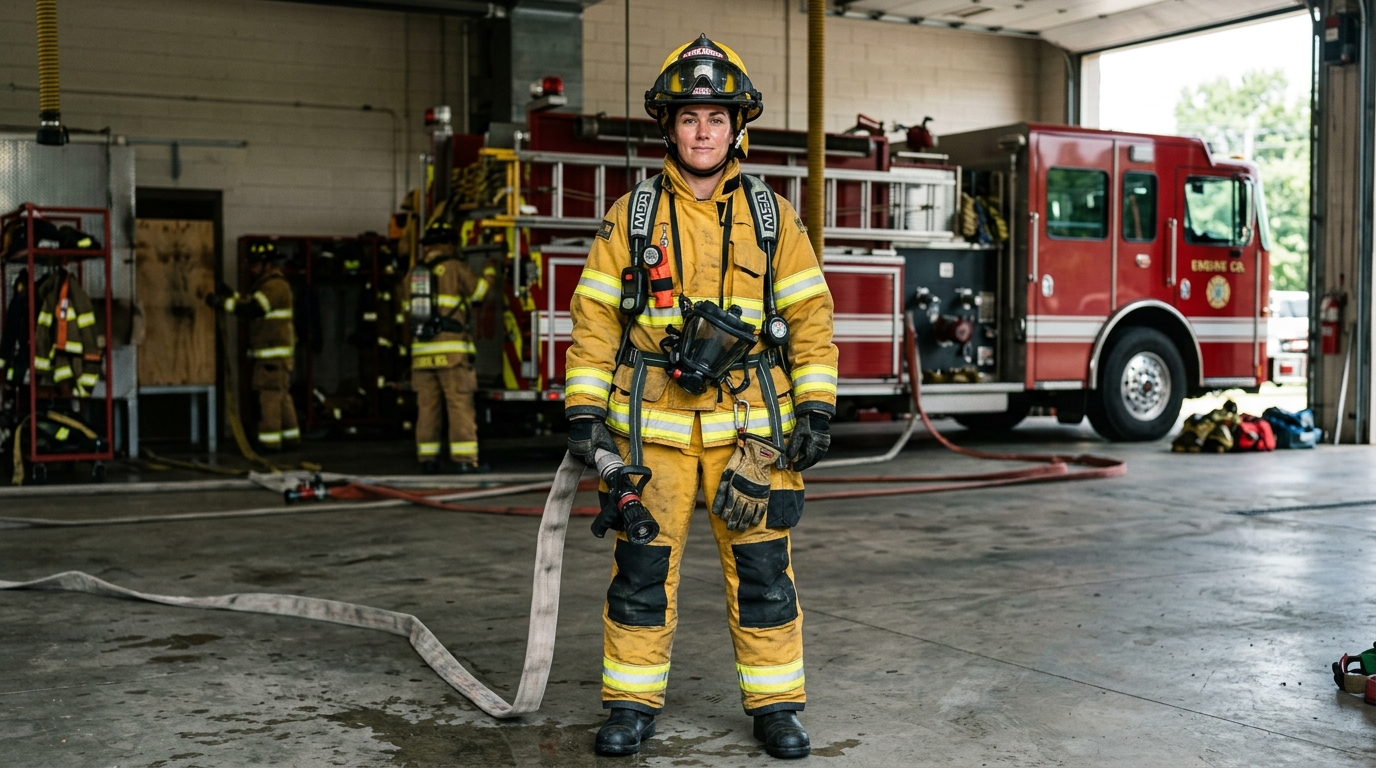
A system-level study from North Carolina State University's Textile Protection and Comfort Center tested how ballistic protection interacts with standard firefighter turnout gear, and found the performance consequences fall unevenly by body type. Differences in chest curvature and torso breadth changed how garments and armor sit on female responders, and thermophysiological modeling showed female firefighters can experience greater thermal strain, higher core and skin temperatures, at similar work rates due to lower average sweat rates and different surface-area-to-mass ratios. The research team established a policy-relevant benchmark: ergonomic performance declines greater than 15 percent in mobility or task speed should count as a significant operational risk, grounded in evidence that performance drops roughly 2 percent for every added kilogram of gear weight. The study's guidance is mission-dependent, recommending departments pair ballistic protection with lighter station wear for warm-zone EMS calls and reserve full turnout-plus-armor configurations for credible fire-risk scenarios.
The take: This moves the female-PPE-fit conversation past tailoring complaints into hard physiological data, a 15 percent performance-decline threshold departments can actually write into equipment policy.
Read the full story at Specialty Fabrics Review →
What We're Watching
JPML ruling on MDL 3191: Federal decision on turnout gear PFAS docket consolidation expected within weeks; will shape discovery timelines and department equipment procurement strategy for next decade.
Drone AED study results: James City County and Forsyth County study funded through June 2027; first data on whether drone-delivered defibrillators improve rural cardiac arrest survival inside a public fire-EMS system.
FAA drone-first-responder expansion: Over 1,000 public safety agencies now hold Part 91 waivers; watch for fire departments following Northern Wake's underwater-drone model as the technology matures.