The World's First Firefighting Humanoid Robot Just Debuted in Beijing
This week inside the Brief:
- ■ Humanoid firefighting robot debuts in Beijing
- ■ Sound-wave drone swarms patented to fight fires
- ■ Germany sends $6.6M robot fleet to Ukraine
- ■ NIST's FlashNet predicts flashover at 92-94%
- ■ Four federal fire agencies merged into one
- ■ Volunteer recruitment crisis is a messaging gap
- ■ NFPA: AI is pushing skilled fire labor demand up
Read time: 9 minutes

DEEP DIG · ROBOTICS · FIRE SUPPRESSION
World's First Firefighting Humanoid Robot Debuts at Beijing Conference
The Linglong L2.0, developed by the National and Local Co-built Humanoid Robotics Innovation Center, officially launched August 18, 2026 and was demonstrated at the World Robot Conference in Beijing days later. The 1.73-meter bipedal robot moves at up to 3 meters per second over rubble, uses computer vision to locate fire sources, autonomously carries and operates a fire extinguisher, shuts off gas valves, and performs thermal search for trapped occupants. A staff member on-site described it as an auxiliary tool for now, with autonomous capability set to expand in future versions specifically to keep firefighters out of the most dangerous entry points. China shipped more than 40,000 humanoid robots in the first half of 2026 alone, 97% of global shipments, and firefighting is now a named use case moving from demo floor toward deployment.
The take: This is not a lab curiosity anymore. A government-backed innovation center just put a walking, extinguisher-operating robot in front of an industry crowd with a stated roadmap toward reducing firefighter entry into structure fires. US departments watching quadruped and wheeled robots should widen the lens - bipedal is now on the table too.
Read the full story at Gasgoo →

DEEP DIG · PATENTS · ACOUSTIC SUPPRESSION
The Sound-Wave Fire Tech We Covered Just Went Patent-and-Swarm
Back in Issue 022 we covered a Cleveland lab testing low-frequency sound waves against open flame. ZenaTech just took the same underlying physics several steps further: the company filed five US provisional patents covering acoustic fire suppression delivered by coordinated drone swarms, with no water, foam, or chemical agent involved. The filings describe low-frequency sound pressure disrupting the flame's oxygen supply and combustion chain reaction, deployed from multiple drones working in formation to cover a larger suppression footprint than a single ground-based unit could reach. ZenaTech frames the commercial opportunity inside a projected 2.8 billion dollar acoustic and drone-based suppression market, with wildfire perimeter work and hard-to-reach structure fires as the first target applications.
The take: Patents don't mean field-ready, but they mean somebody with capital thinks acoustic suppression clears the path to commercialization. Drone-swarm delivery solves the biggest limitation of a stationary lab rig - watch for the first real wildfire perimeter test before ranking this above vaporware.
Read the full story at The Globe and Mail →

DEEP DIG · ROBOTICS · INTERNATIONAL AID
Germany Delivers 6.6 Million Dollar Firefighting Robot Fleet to Ukraine
Germany's State Emergency Service (SES) delivered a fleet of remote-controlled firefighting robots to Ukraine on August 12, 2026, funded at 6.6 million dollars. The fleet includes the Wolf R1 tactical robot, LUF 60 and LUF-CRV units, and the AirCore TAF60, giving crews suppression capability from up to 65 meters of standoff distance and remote operation ranges up to 2.5 kilometers. The equipment lets Ukrainian fire crews fight fires at buildings damaged by strikes without putting personnel inside structures that may still be targeted or structurally compromised - a use case built specifically for suppression under active threat rather than routine structure fires.
The take: A 65-meter standoff and 2.5-kilometer remote range were built for a war zone, but the underlying tactic - suppression without entry - applies just as well to any US structure fire where crews suspect a secondary collapse or explosion risk. Watch for this hardware showing up in domestic hazmat and industrial-fire response within the next few years.
Read the full story at Tech Times →

DEEP DIG · RESEARCH · FIREFIGHTER SAFETY
NIST's FlashNet Predicts Flashover Before It Happens
Researchers at the National Institute of Standards and Technology built FlashNet, a machine learning model trained on data across 17 distinct structure layouts that predicts flashover conditions with 92 to 94 percent accuracy. The model ingests sensor and simulation data on heat release, temperature gradients, and compartment geometry to flag the point at which a room fire is about to transition into full-room involvement - the single most dangerous moment in interior structural firefighting. NIST's next development phase moves beyond prediction into real-time evacuation routing, aiming to combine flashover warning with a live path-out recommendation delivered to crews already inside the structure.
The take: A 92-94% accurate flashover predictor is a meaningful safety tool on its own, but the real product is what NIST is building next: real-time evacuation routing. That's the feature that turns a research model into something worth putting on a helmet HUD.
Read the full story at NIST →
POLICY · FEDERAL WILDLAND FIRE
Trump Administration Merges Four Federal Fire Agencies Into One
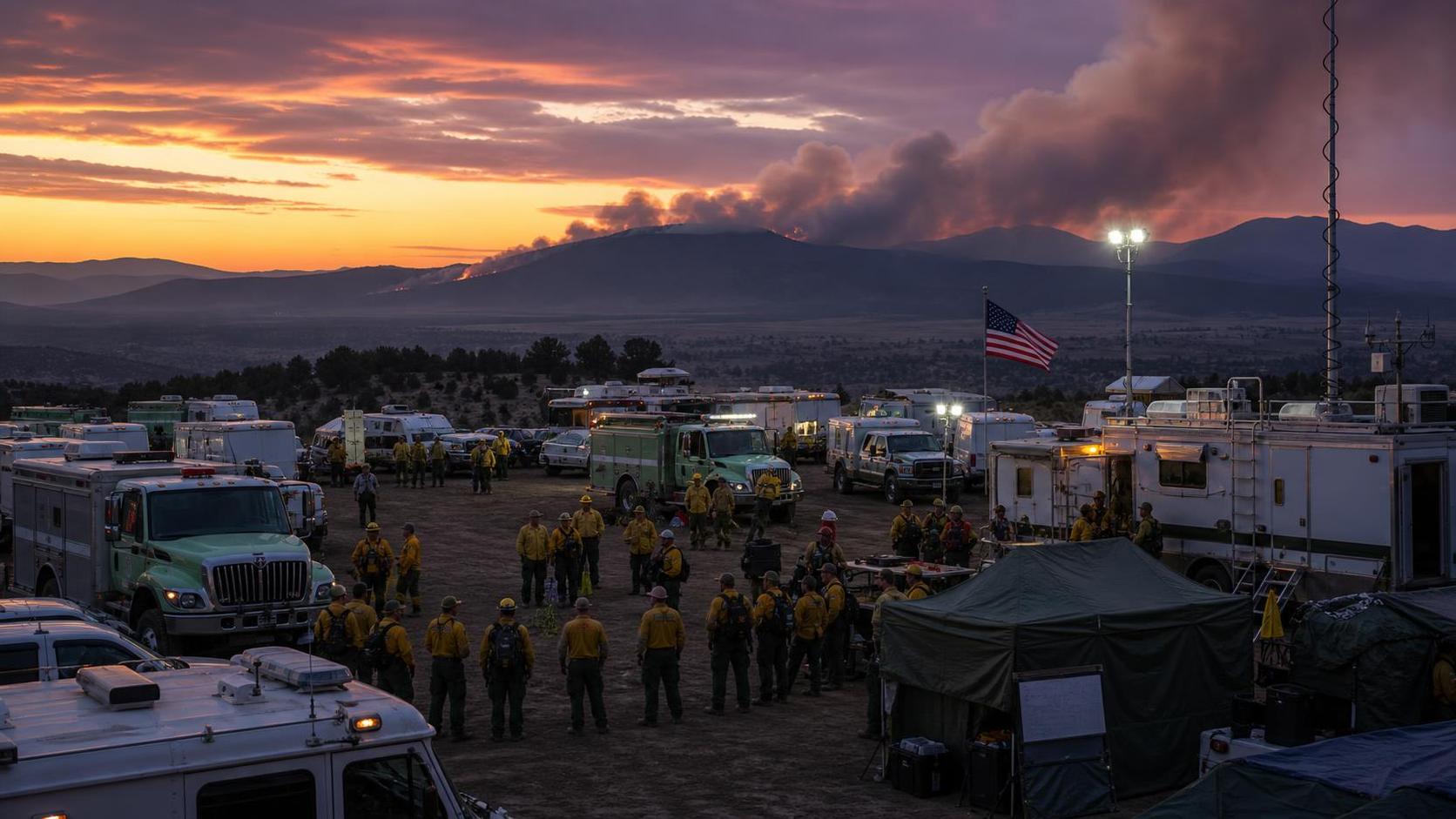
The Trump administration has consolidated four federal wildland fire agencies into a single U.S. Wildland Fire Service with a full suppression mandate, ending the decades-old split of wildfire response across separate Interior and Agriculture Department programs. Budget documents for 2027 indicate the Forest Service's own firefighting function may eventually fold into the new unified service entirely, which would mark the largest reorganization of federal wildland fire authority in generations. Supporters argue a single chain of command fixes coordination failures that have plagued multi-agency wildfire response for years; critics warn that consolidation during an active reorganization risks operational gaps during the transition, especially heading into peak fire season staffing decisions.
The take: Consolidating four agencies under one mandate could fix a real coordination problem, but reorganizations during fire season carry their own operational risk. State and local chiefs coordinating on wildland-urban interface response should ask their federal liaison directly who owns the relationship going into next season.
Read the full story at CalMatters →
RECRUITMENT · VOLUNTEER FIRE SERVICE
Volunteer Fire Recruitment Crisis Is Not Lack of Interest - It's Lack of Awareness
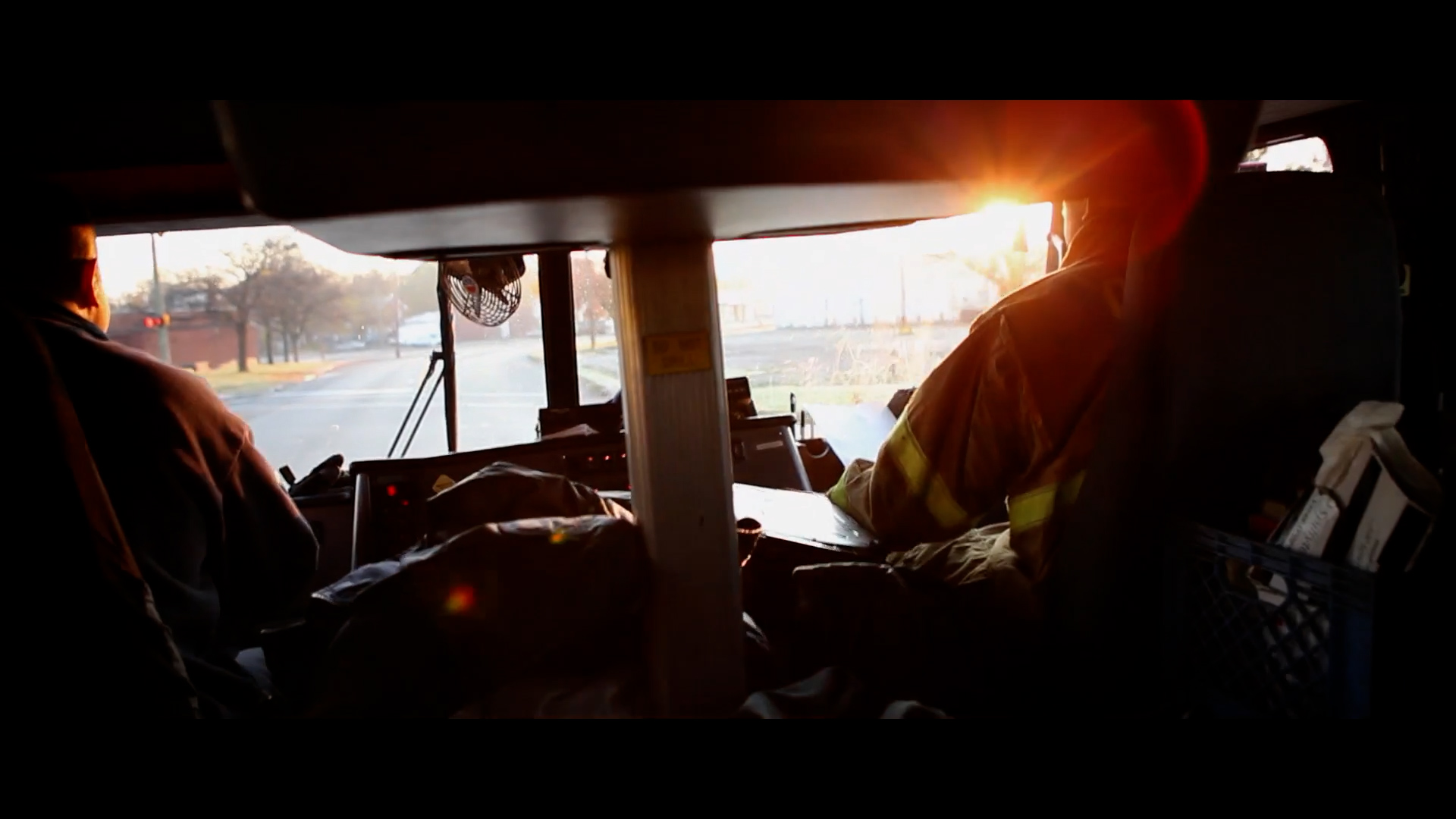
New research from the National Volunteer Fire Council published in August 2026 reinforces a counterintuitive finding: the barrier to volunteer recruitment is not declining interest, it's a messaging gap. More than half of prospective volunteers surveyed did not know they could volunteer as firefighters in their own communities, and nearly two-thirds were unsure whether their local departments were actively recruiting at all. The research also flags a specific creative problem: departments that lead recruitment messaging with smoke-and-hose-only imagery tell people who don't already see themselves in that picture that they don't belong. NVFC's guidance is to message the gain (community, purpose, training, camaraderie) rather than the need (we're short-staffed, please help).
The take: If your recruitment page is a photo of a hose and a headline that says "we need you," you're speaking to people who already know they want in - and skipping everyone else. Lead with what the job gives back, not what your department is missing.
Read the full story at NVFC →
WORKFORCE · AI · LABOR MARKET
NFPA: AI Is Driving Fire Service Skilled Labor Demand Up, Not Down
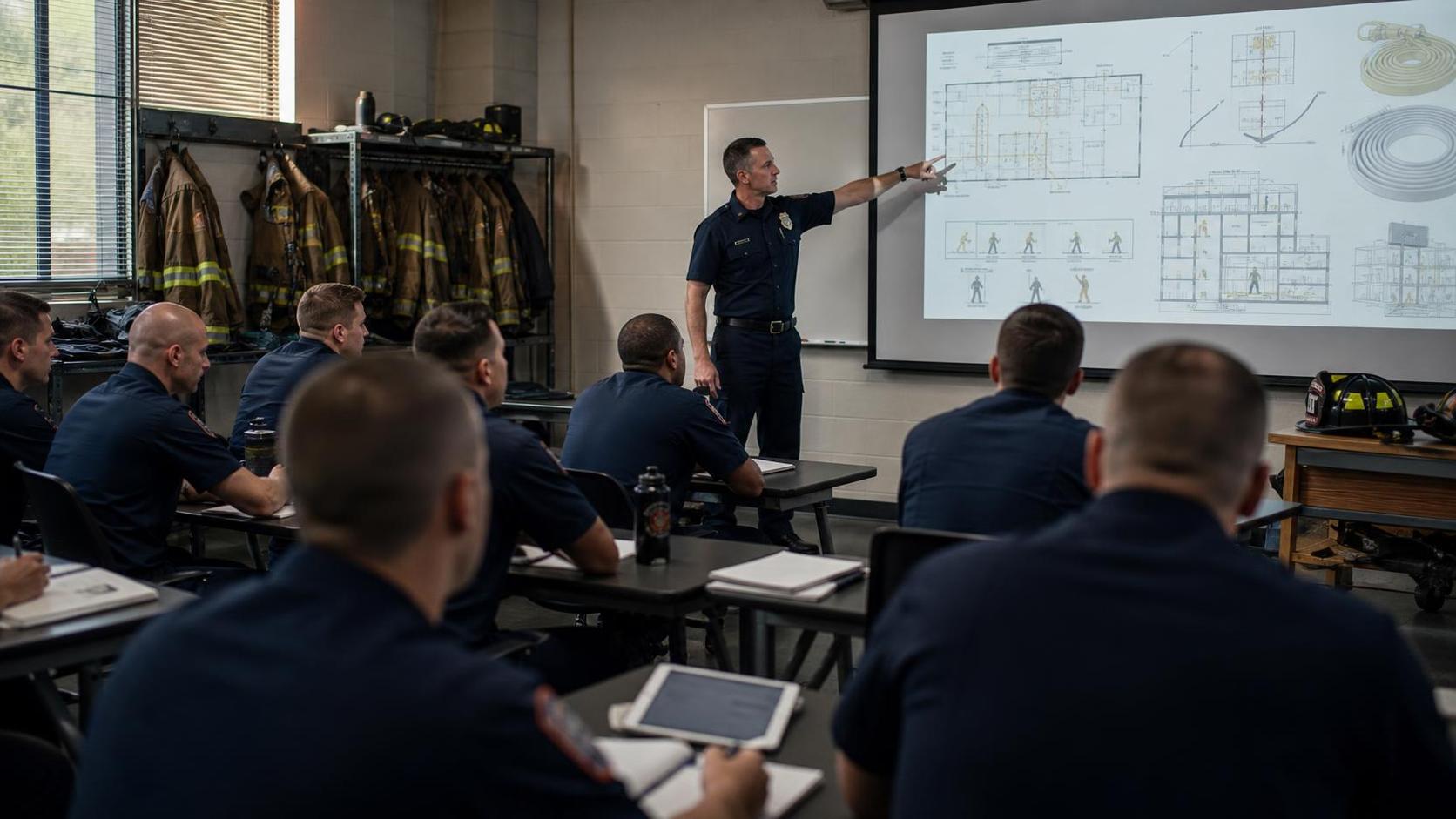
New NFPA workforce data shows demand for skilled fire service labor has doubled over the past three years, running counter to the assumption that AI and automation tools reduce headcount needs in emergency response. The data points to a specific mechanism: departments adopting AI-assisted dispatch, predictive maintenance, and robotics still need more trained technicians, systems operators, and specialists to run and maintain that technology on top of - not instead of - traditional response staffing. Departments that assumed new tech would let them do more with fewer people are instead finding they need broader skill sets across their existing headcount and additional specialized hires.
The take: Every robot and AI story in this issue implies the same staffing math: new technology is not a headcount reduction plan, it's a new skill requirement layered on top of the old one. Budget for training pipelines now, not after the hardware shows up.
Read the full story at NFPA →
WHAT WE'RE WATCHING
Whether the Linglong L2.0 gets deployed to a real structure fire outside a controlled exhibition setting, and how it performs when the fire source isn't staged for a demo.
Whether ZenaTech runs a documented live suppression test with drone-swarm delivery, and what the first peer-reviewed efficacy data looks like against a real fire rather than a lab flame.
Whether the 2027 federal budget confirms the Forest Service's suppression function folding into the new U.S. Wildland Fire Service, and what that means for state mutual-aid agreements built around the old agency structure.
Subscribe to The Overhaul Brief
Weekly fire service news. Tech, AI, leadership, workforce, and the stories the trade pubs miss. No fluff, no fundraising appeals, no spam.
Subscribe Free