This week inside the Brief:
- AI cameras now spot wildfires before anyone calls 911 - and dispatchers trust them
- Seattle council presses fire dept on secret AI 911 triage program
- Senators sound alarm as wildfire crews hit critical staffing lows
- AI is writing the run report: FDNY and CAL FIRE go live with automated documentation
- Danish wristband detects cardiac arrest with 92% accuracy before 911 is called
- New testing data undercuts warnings about EV fire blanket safety
- Drone-as-first-responder data shows fewer wasted runs, faster size-up
AI / EARLY DETECTION / WILDFIRE
The AI Cameras That Beat 911 - And The Dispatchers Who Trust Them
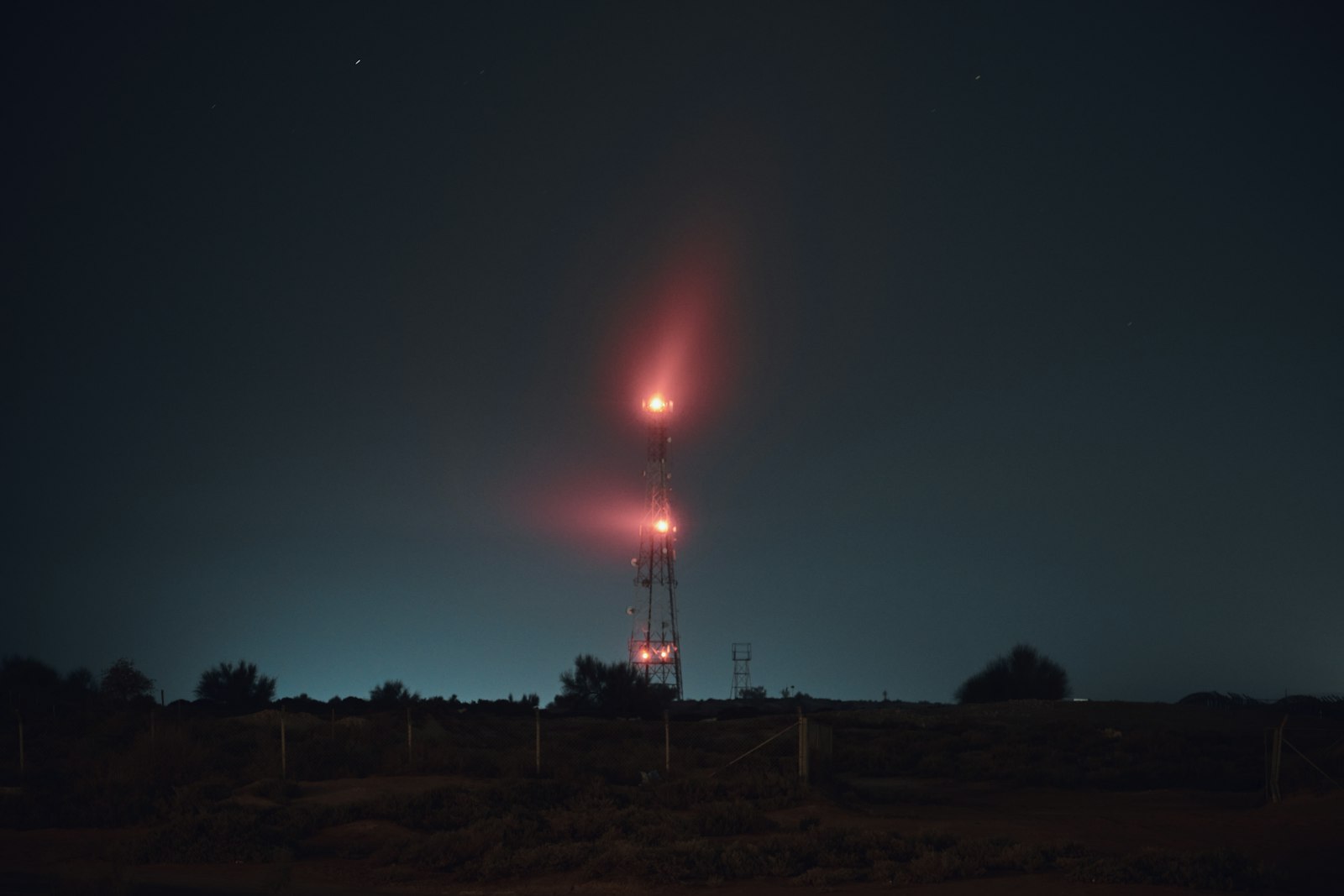
ALERTCalifornia, the statewide network of more than 1,200 mountaintop cameras run by UC San Diego and used by CAL FIRE, now detects roughly half of all wildfires on state lands before anyone calls 911 - more than 900 fires caught ahead of the first emergency call. In one recent case near Fresno, the AI flagged a fire about 20 minutes before the first 911 call reached dispatchers, and crews kept it small. As CAL FIRE's staff put it: the fires this system helps dispatch resources to are the fires you never read about in the papers.
The system pairs with Microsoft's AI for Good Lab to process over seven million images a day, scanning for smoke by daylight and heat signatures at night, filtering fog and clouds, and routing verified detections to dispatchers within minutes. Private networks are scaling the same model: Pano AI has more than 1,400 cameras watching landscapes across 17 states, each detection reviewed by a human analyst before an alert goes out.
The detection layer is growing upward too. The first three FireSat satellites launched in July - the start of a planned 50-satellite constellation built solely to spot fires as small as a beach bonfire, eventually scanning every point on Earth about every 20 minutes and pushing alerts straight to responders.
The take: CAL FIRE now trusts these detections enough to start rolling resources before the phone rings, which makes this the rare AI story that is already operational, already saving initial-attack minutes, and already proven at scale. If your response area has wildland exposure and no camera coverage, the ALERTCalifornia playbook is the one to hand your county.
Read the full story at The Guardian →
AI / 911 DISPATCH / OVERSIGHT
Seattle Council Presses Fire Department Over Secret AI 911 Triage Program
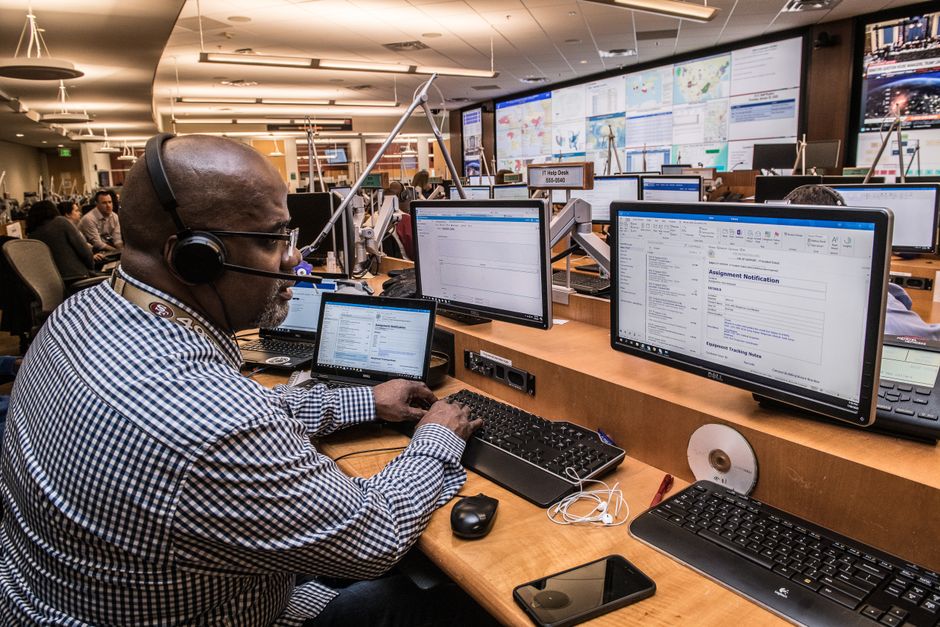
Seattle City Council member Bob Kettle convened a public safety committee hearing after Seattle Times reporting exposed a two-year-old arrangement in which an AI program built by Danish company Corti listens to every 911 medical call and prompts dispatchers to transfer certain patients to an out-of-state nurse line instead of dispatching an ambulance directly. The department introduced the tool without public disclosure and ran it more than two years before any external review began.
Fire officials told the council the University of Washington is now evaluating whether the program actually improves outcomes, but no data had been shared publicly as of the hearing. The city also acknowledged it is not tracking wait times for patients routed to the nurse line, a gap that mattered in the case of a 71-year-old woman who died after waiting more than ten hours for an ambulance following a nurse-line transfer.
The episode is becoming a template for how city councils nationwide are starting to ask fire departments to justify AI-assisted triage systems after the fact rather than before deployment.
The take: Every chief running AI-assisted call triage should assume the local paper and city council will eventually ask for outcome data that was never collected, and the smart move is building the tracking and disclosure now rather than after a bad outcome forces the question.
Read the full story at EMS1 →
WILDFIRE / STAFFING / FEDERAL POLICY
Senators Demand Answers As Wildfire Crews Hit Critical Staffing Low
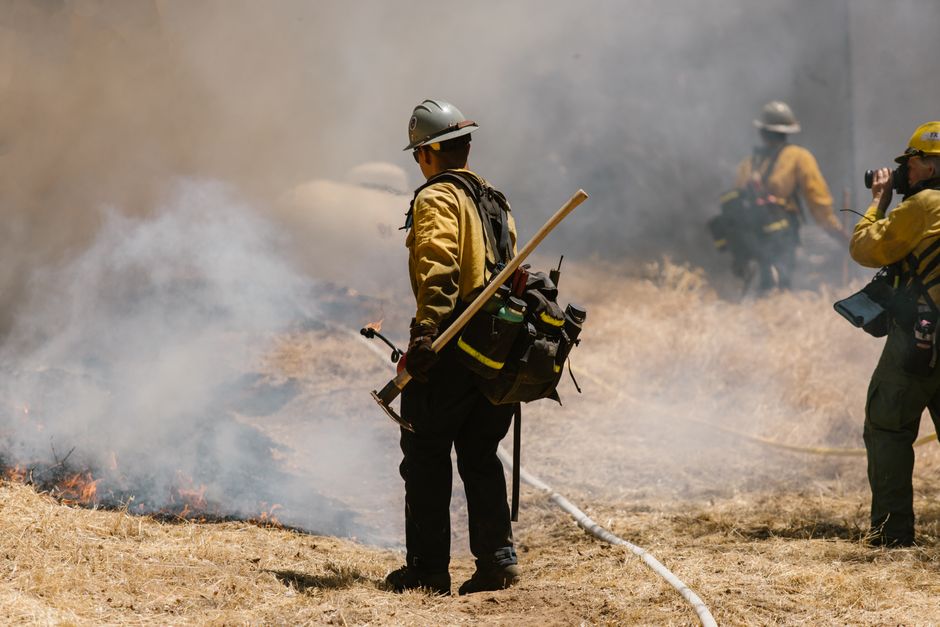
Senators Alex Padilla, Michael Bennet and Adam Schiff sent a formal letter to federal fire agencies after the national wildfire response system spent from July 18 through September 4, 2026, at Preparedness Level 5, the highest tier, with the Forest Service and Wildland Fire Service burning through nearly its entire six billion dollar suppression budget. The senators cited reports that fully qualified incident management teams are unavailable, forcing crews to use temporary supervisory structures on fires more often than is safe.
The shortage traces to a roughly 16 percent Forest Service workforce reduction in 2025, about 6,000 full-time positions, concentrated among experienced managers and red-card-holding supervisors rather than entry-level seasonal firefighters. Nine firefighters who spoke anonymously to reporters said internal staffing totals are far worse than the agency's public 11,300-position hiring benchmark suggests, and last week alone more than 600 requests for aircraft, crews and supervisors went unfilled over 72 hours.
The National Multi-Agency Coordinating Center has stated bluntly it cannot fill every resource request, with no immediate relief anticipated, even as officials publicly maintain the firefighting workforce is fully staffed.
The take: The public staffing number and the internal number have diverged so far that a bipartisan Senate letter is now the only way departments are getting straight answers, which should worry every chief who depends on federal mutual aid during a bad season.
Read the full story at Sen. Padilla's Office →
AI / DOCUMENTATION / NERIS
AI Is Writing The Run Report - FDNY And CAL FIRE Just Went Live
The most tedious job in the firehouse is quietly being automated. In January, FDNY - nearly 1.9 million responses a year - went live with First Due for agency-wide incident documentation, submitting directly to NERIS. In July, CAL FIRE launched the same platform statewide behind CALFIRS, covering more than 650,000 incidents annually. First Due's AI turns responder narratives into structured report fields and reported that over 42 percent of all NERIS submissions to date had come through its platform by late 2025.
ImageTrend's AI Assist attacks the same problem from the EMS side: voice dictation trained on fire and medical terminology, camera capture that reads discharge papers and med lists straight into the chart, and an AI review pass that flags dosage discrepancies and missing fields before submission. Deployed across thousands of agencies, it has auto-filled more than 11 million data fields and the company says it saves about 15 minutes of documentation per incident.
The timing matters because the NFIRS-to-NERIS transition is forcing every department to touch its reporting workflow anyway. Departments switching standards can either port their old manual process into the new system or let the AI-assisted tools carry the data-entry load from day one.
The take: Fifteen minutes per run times every run your busiest company makes is a staffing conversation, not a software one. The two biggest fire agencies in the country just bet on AI documentation, and the NERIS transition is the once-in-a-generation excuse to stop hand-typing narratives at 3 a.m.
Read the full story at Fire Engineering →
WEARABLES / EMS / CARDIAC
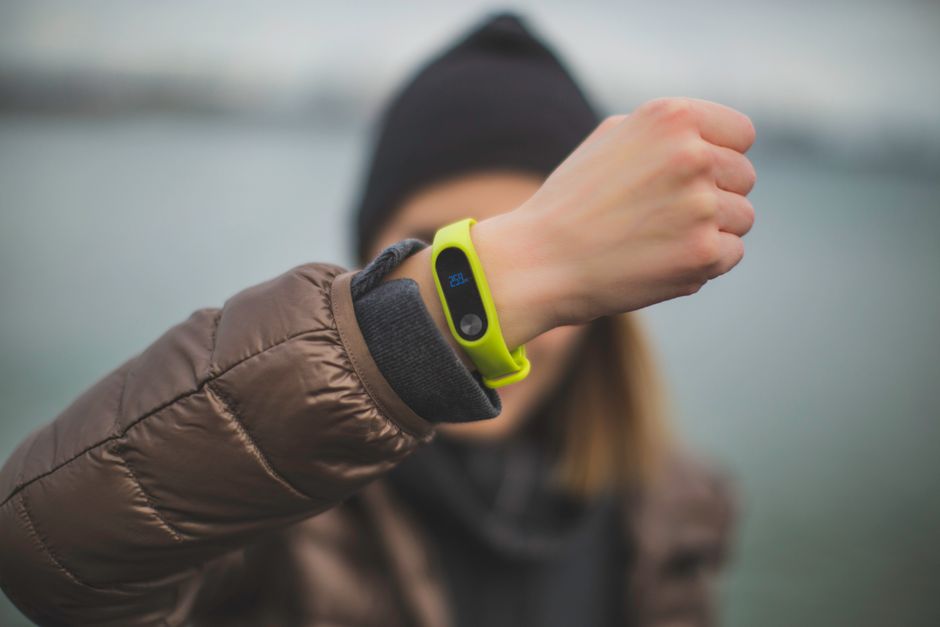
Danish Wristband Detects Cardiac Arrest With 92 Percent Accuracy
A study published in the American Heart Association journal Circulation: Arrhythmia and Electrophysiology validated a smart wristband that uses photoplethysmography, a light-based blood-flow sensing technique, to automatically detect cardiac arrest with 92 percent accuracy across 59 recorded shockable events. The DETECT-1b study, conducted at Radboud University Medical Center in the Netherlands, is the first to externally validate this kind of algorithm-based wearable using real patient data rather than simulated conditions.
The device caught 100 percent of ventricular fibrillation cases and 90 percent of pulseless ventricular tachycardia cases during 125 hours of monitoring, with only nine false positives recorded. Researchers say the eventual goal is connecting the wristband directly to emergency dispatch centers and volunteer responder networks so nearby lay rescuers and ambulances are alerted the moment cardiac arrest is detected, without anyone having to call 911 first.
The technology is still confined to controlled clinical settings, and the study's co-author cautioned that real-world reliability still needs validation, but the dispatch-integration concept directly targets the same response-time gap that PulsePoint and similar bystander-alert apps have tried to close for a decade.
The take: A wearable that auto-detects cardiac arrest and pings dispatch before a bystander even makes the call could eventually feed directly into CAD systems the same way fall-detection watches already feed 911, and dispatch centers should be tracking this pipeline now rather than after a vendor shows up selling it.
Read the full story at Concierge Medicine Today →
EV FIRES / TACTICS / RESEARCH
New Testing Data Undermines Standard Advice For EV Fire Blankets
Combined 2025 and 2026 test programs from UL Research Institutes and the Fire Safety Research Institute recorded deflagrations, small explosive combustion events, beneath electric vehicle fire blankets during suppression attempts, but a closer analysis published by the International Fire and Safety Journal found every single deflagration occurred only when water was applied before or during blanket deployment, or when the blanket was lifted and repositioned afterward.
Neither testing program actually validated the dry-deployment procedure that departments are trained to use operationally: no water before or beneath the blanket, no manipulation once deployed, external temperature monitoring only, and removal delayed until the vehicle cools to near-ambient temperature. In the 2026 combined blanket-and-nozzle tests, crews applied roughly 95 liters of water through a handline for under ten seconds before deploying the blanket, introducing exactly the variable that correlates with every recorded deflagration.
The analysis argues fire service guidance is being shaped by test conditions nobody actually uses in the field, and calls for the next testing round to isolate the procedure crews are actually trained on: dry deployment, zero manipulation, external monitoring only.
The take: Two major national testing programs may have generated deflagration warnings that do not actually apply to the dry-deployment procedure most departments train on, which means chiefs relying on this data to second-guess fire blankets should read the fine print on how the tests were actually run before changing tactics.
Read the full story at International Fire and Safety Journal →
DRONES / DFR / SITUATIONAL AWARENESS
Drone First Responder Programs Spread As Data Shows Fewer Wasted Runs
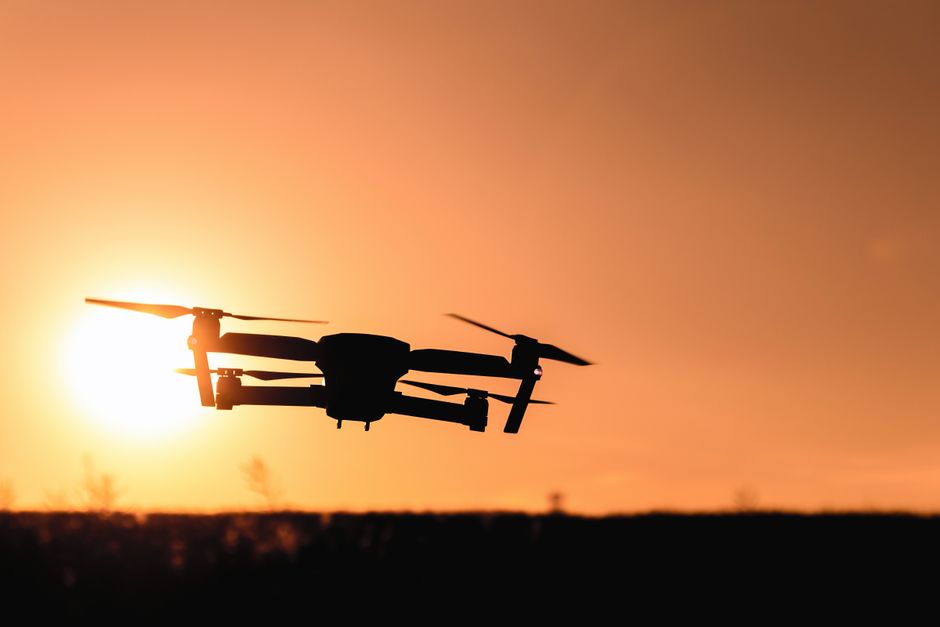
Bellevue, Washington's city council has approved funding for a one-year Drone as First Responder pilot that launches this fall, letting responders deploy a drone to an incident the moment a qualifying call comes in, clearing building interiors, searching for missing people, and assessing structure fires with real-time aerial and thermal video before the first unit sets its parking brake.
The fire-side case is blunt: Bellevue's fire leadership says UAS response gives incident commanders live aerial and thermal views of structure fires, hazmat incidents, technical rescues, and large-scale emergencies before arrival. Industry data backs the safety argument: roughly three-quarters of Maydays occur at fires without a complete 360-degree size-up, exactly the information a drone overhead provides to first-arriving units.
The efficiency numbers are the real story for budget-strapped departments. Neighboring Redmond, running DFR since 2024, recorded an 18.8 percent drop in officer-initiated responses in 2025 because drone video showed the calls did not require a response at all. Fewer wasted runs means units stay available for real emergencies.
The take: The 360 you cannot get from the ground is the one that prevents the Mayday. DFR started as a police program, but the thermal-eyes-before-arrival value case is stronger for fire. If your department is drone-curious, the Redmond wasted-run data is the line item that sells it to council.
Read the full story at KIRO 7 →
What We're Watching
Seattle AI Triage Review: Watch for the University of Washington's independent evaluation of the AI triage program's outcome data, expected in coming months.
Federal Wildfire Staffing: Watch for the formal agency response to the senators' oversight letter and any staffing data disclosure.
EV Blanket Testing Fix: Watch for whether UL Research Institutes or FSRI runs a follow-up test isolating the dry-deployment procedure as requested.
FireSat Constellation: Watch for the next satellite launches toward the planned 50-satellite wildfire-detection network and the first operational alerts reaching fire agencies.
Get The Overhaul Brief every Tuesday
Fire service intelligence from the people who've been there. Free, always.
Subscribe Now