This week inside the Brief:
- ■MSA and Bristol unveil a full connected firefighter ecosystem
- ■The GALLET F1 helmet gets its next evolution
- ■Sysnav's FRST tracks crews inside GPS-dead buildings
- ■Hong Kong cut SCBA cylinder swaps to under 10 seconds
- ■CAL FIRE wants 150 new P25/LTE station alerting units
- ■22 Illinois agencies launch drones straight from dispatch
- ■28 departments file racketeering suit over PFAS gear
GEAR / SCBA / CONNECTED FIREFIGHTER
MSA and Bristol Just Unveiled The Connected Firefighter System The Industry Has Been Talking Around For A Decade
At the Emergency Services Show in Birmingham on September 16, MSA Safety and Bristol Uniforms dropped a full ecosystem they're calling the Connected Firefighter platform -- not a product, a system. The anchor is the M1 SCBA control module: electronic pressure sensing that reads your air in real time, free-fall detection, motionless and manual distress alarms, and long-range radio telemetry that pushes all of it to command. Paired with the MSA HUB wireless gateway, incident command gets a continuous live feed of every firefighter's air level and status simultaneously. FireGrid, MSA's cloud layer, makes that data visible at the command post. LUNAR, the handheld device that goes with the kit, combines thermal imaging with firefighter-to-firefighter ranging -- so your RIT team knows not just that a mayday has been called, but exactly how far away and in which direction.
This is the piece that has been missing. SCBA telemetry and thermal imaging have existed as separate tools for years. What the Connected Firefighter platform does is wire them together: one system, one data stream, continuous situational awareness from entry to exit. The M1 module's distress modes -- motionless alarm plus manual activation -- give a downed firefighter two paths to alert command without depending on voice radio. The long-range telemetry means that signal doesn't die when the firefighter goes deep into a structure. And LUNAR's ranging function means the RIT team navigating to a mayday isn't flying blind through smoke.
The platform is aimed at structural departments doing heavy fire loads, but the technology decisions embedded in it -- redundant alarm paths, continuous air telemetry, ranging over thermal -- represent where SCBA accountability is heading across the service. Departments evaluating SCBA replacements in the next budget cycle should be asking every vendor how their system answers what this one just answered.
The take: The firefighter accountability problem just got a concrete answer. Air level, distress alarm, real-time location, thermal ranging -- one system, continuous stream. If your department's SCBA RFP doesn't ask for these capabilities by name, you're writing requirements from 2016.
Read the full story at BriefGlance →
GEAR / PPE / HELMET
The GALLET F1 Fire Helmet Gets Its Next Evolution -- Better Protection, Better Fit, Full Modular Accessory Stack
Also announced September 16 at the Emergency Services Show, MSA Safety and Bristol Uniforms unveiled the next generation of the GALLET F1 fire helmet -- the platform that has been a mainstay in structural firefighting for years. The new version raises the bar on thermal and impact protection, covers a broader sizing range with an external adjustment system that actually works with gloves on, and adds a modular accessory architecture that lets departments configure integrated lighting and full-duplex communications headsets without aftermarket hacks or dangling add-ons.
The external size-adjustment system is the detail worth flagging. Helmet fit during a structure fire is not a comfort question -- it's a protection question. A helmet that moves on a firefighter's head when they're crawling through a collapse or taking a falling beam is a helmet that's not doing its job. Building adjustment into the exterior of the shell, where it can be operated through gloves, is an ergonomics decision that also closes a real-world safety gap. The integrated accessories -- lighting and comms built to the platform rather than retrofitted -- mean fewer attachment points that can snag, fail, or separate under stress.
The F1 platform has a long track record in the fire service, and this iteration looks to extend that with capability additions that respond to how departments are actually operating now -- with integrated comms on the fireground and lighting demands that go beyond what a generic helmet mount handles. Departments in active helmet procurement or approaching their replacement cycle should put this on the evaluation list.
The take: Modular comms and lighting built to the helmet spec, not bolted on after the fact. External fit adjustment through gloves. Better thermal protection. The F1 evolution checks the boxes departments have been adding to their wish lists for years -- worth a hard look at the next evaluation cycle.
Read the full announcement at Financial Times Markets →
TECHNOLOGY / FIREFIGHTER TRACKING / GPS-DENIED
Sysnav FRST Puts Real-Time Firefighter Location Inside Buildings Where GPS Dies -- And Just Won A Major EU Innovation Award For It
The location problem in structural firefighting has never been a GPS problem. GPS works fine outside. The problem is inside -- concrete floors, steel I-beams, elevator shafts, basement levels -- where GPS signals die and your crew becomes a voice on the radio and a gut feeling about where they entered. Sysnav's FRST system is built specifically for that environment: indoor and underground firefighter positioning with zero GPS dependency, delivering real-time tracking through structures the signal can't penetrate. On September 17, the system was named a winner of the 2026 EU DIREKTION Award, which recognizes EU-funded innovations using AI, robotics, and advanced sensor systems in public safety applications.
FRST uses inertial navigation and sensor fusion -- not radio triangulation, not GPS -- to track firefighters as they move through a structure. That matters because radio-based systems still depend on signal propagation through the building, which fails in the same environments GPS does. A system that runs entirely on the firefighter's own movement data doesn't have that dependency. The result is a position track that follows the crew from entry to wherever they are, updated in real time, visible to incident command above ground. When the mayday call comes, the search isn't starting from the door they went in. It's starting from where they actually are.
The DIREKTION Award recognition places FRST alongside nine other EU-funded innovations selected for demonstrating practical public safety impact, not just research promise. For US departments watching where firefighter tracking technology is heading, FRST represents the current leading edge of the GPS-denied problem and the answer the service has been building toward since PASS alarms became standard.
The take: The mayday location problem is solved on paper. The question is when US departments start writing it into their specs. FRST is what the answer looks like -- position tracking that works where your crew actually needs it, not just where the signal cooperates.
Read the full announcement at European Commission Home Affairs →
GEAR / SCBA / PROCUREMENT
Hong Kong FSD Cut SCBA Cylinder Swap Time From 90 Seconds To Under 10 -- US Departments Should Be Writing This Into Their 2027 Specs
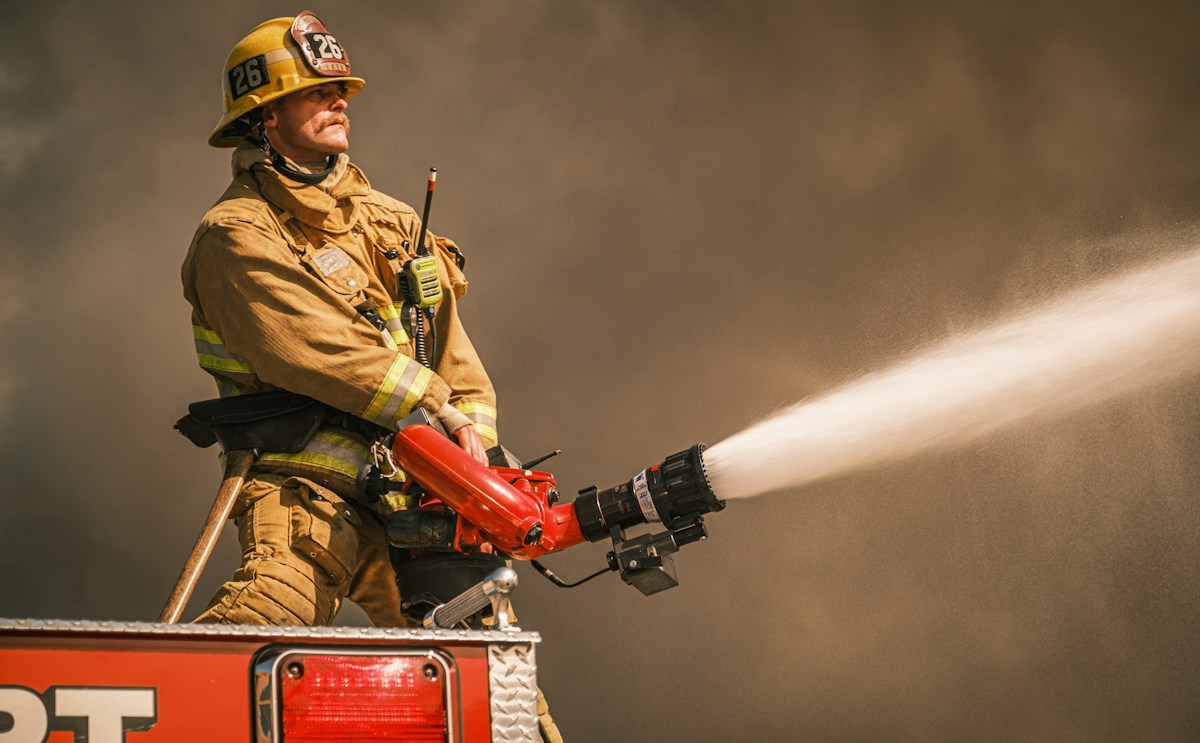
Between September 11 and 13, Hong Kong's Fire Services Department announced a fleet-wide rollout of new SCBA equipment that includes a detail US departments should be demanding: a quick-connect coupling system that cuts cylinder change time from roughly 90 seconds down to under 10. That's not an incremental improvement. On a working fire, 80 seconds of dead air time at a cylinder swap is a fireground problem. The Hong Kong FSD rollout also includes a hose-to-hose emergency breathing safety system that lets two firefighters share one cylinder -- an emergency air-sharing capability that addresses the scenario where a downed or trapped firefighter is still consuming air faster than help arrives. On top of the air-management changes, the new gear adds full-duplex in-mask team communications and non-textile contamination-resistant harness straps, which matters for departments trying to stay ahead of the PFAS contamination issue on contact surfaces.
The combination of those features -- fast cylinder swap, emergency air share, in-mask comms, contaminant-resistant straps -- represents what a serious SCBA procurement looks like in 2026. The quick-connect coupling is the headline because the time saving is so concrete, but the emergency air-sharing system may be the more consequential capability: it gives a crew a viable option when a downed firefighter still has air needs and the RIT team hasn't reached them yet.
US departments are entering a significant SCBA replacement cycle in 2027 as a wave of equipment purchased after 9/11 ages out of service life. The specifications being written now will govern what crews use for the next 10 to 15 years. Hong Kong's rollout is a concrete data point for what to ask for: quick-connect cylinder change, emergency air share, in-mask full-duplex comms, and contamination-resistant straps. Departments that don't write for these features are leaving capability on the table and, in the case of the emergency air system, a safety option they may wish they'd specified.
The take: 90 seconds to under 10 on a cylinder swap. Emergency air share for a downed firefighter. In-mask full-duplex comms. If your department's 2027 SCBA RFP doesn't ask for these by name, you're writing requirements that Hong Kong just made obsolete.
Read the full announcement at Hong Kong Government News →
PROCUREMENT / STATION ALERTING
CAL FIRE Wants 150 New Station Alerting Units With P25 And LTE Backup
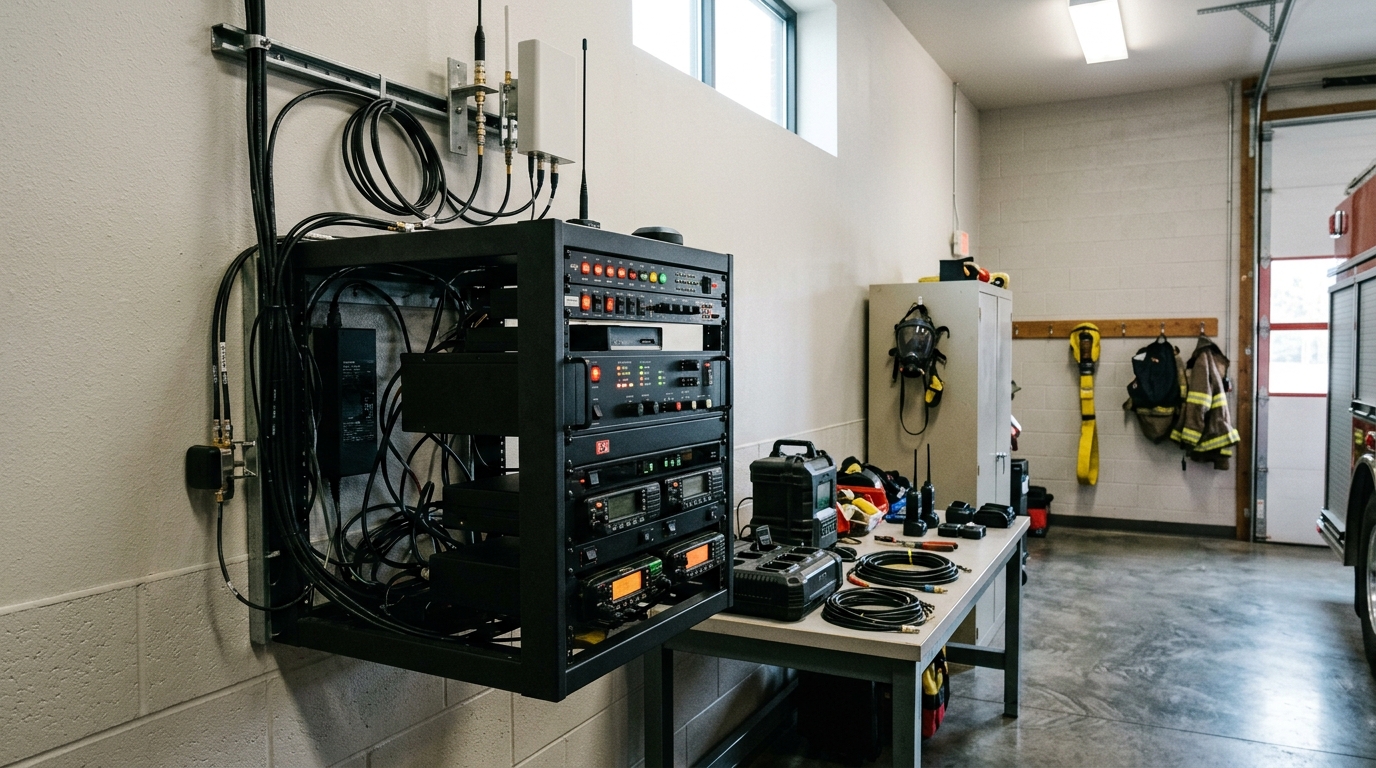
The California Department of Forestry and Fire Protection opened RFQ PCR-26-0275 for 150 Fire Station Alerting Box-P25 units, specifying support for Phase I and Phase II P25 trunking, 3G/4G LTE, and conventional VHF in a single box. Bidders must provide a five-year warranty, and delivery is required within 60 days of award. Bids are due October 1, 2026.
The hybrid P25-plus-LTE architecture in the spec is notable because it gives CAL FIRE a fallback data path if the primary trunked radio network goes down, a real concern for departments still running legacy tone-alert systems with no redundancy. This is the largest state-level fire station alerting tender of 2026, and the published spec gives smaller departments a concrete reference point when they write their own procurement language for a station alerting upgrade.
Fire station alerting has quietly become one of the more consequential back-of-house upgrades in the fire service: it is the system that turns a dispatch call into a lit-up apparatus bay, opened doors, and an alerted crew, and a single point of failure there costs seconds that matter on every run.
The take: If your department's station alerting system is still tone-only with no cellular fallback, use CAL FIRE's spec sheet as your template when you go to your board for the upgrade budget. A state agency writing the requirements for you is free homework.
Read the full listing at Cleat.ai →
DRONES / DISPATCH / REGIONAL PROGRAMS
22 Illinois Agencies Now Share One Dispatch Center's Drone Fleet
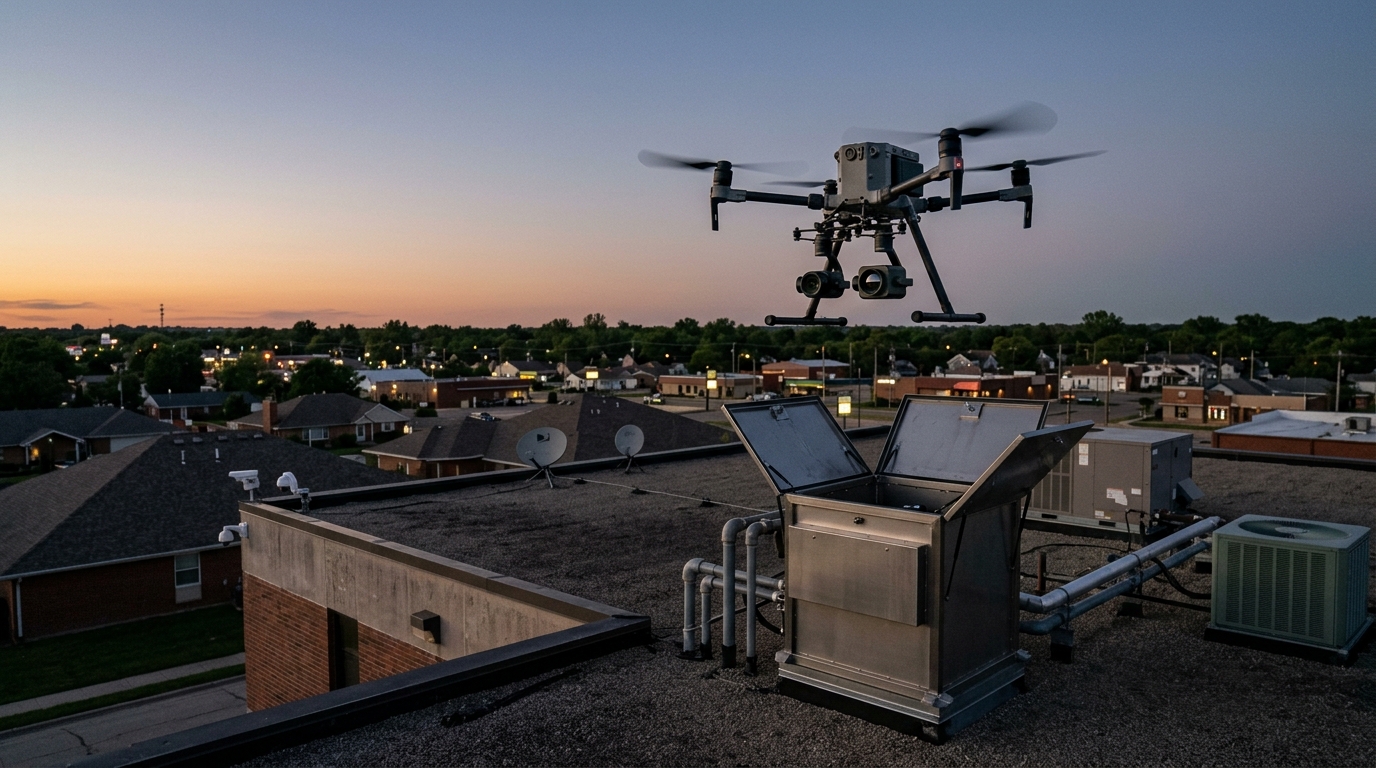
The Glenview Public Safety Dispatch Center, which serves 22 police and fire agencies across 16 Lake and Cook County communities, is rolling out a remote drone launch program that lets telecommunicators send a drone directly to a 911 call. Libertyville Fire Department recently became the fifth agency to sign on, joining Glenview, Glencoe, Lake Forest, and Morton Grove, with more departments in the pipeline. The drones launch from rooftop docks and reach a scene in roughly two to three minutes, streaming live video and thermal imagery to responders before they arrive.
The financial model is what makes this work for smaller departments: Libertyville's four-year agreement includes an initial no-cost period followed by a $60,000 subscription, spreading the cost of a drone-as-first-responder capability across a whole dispatch region instead of requiring every department to buy its own aircraft, pilots, and FAA waivers independently.
This is a regional shared-services model, not a single-department pilot, which is exactly the structure that makes drone-as-first-responder programs viable for departments too small to run one alone. Expect more regional dispatch centers to copy this playbook as the cost of entry drops.
The take: If your department is too small to justify its own drone program, this is the model to bring to your regional dispatch center. Aerial situational awareness without buying an aircraft, training a pilot, or holding your own FAA waiver.
Read the full story at Daily Herald →
LEGAL / PFAS / TURNOUT GEAR
28 Fire Departments File Racketeering Suit Over PFAS In Turnout Gear
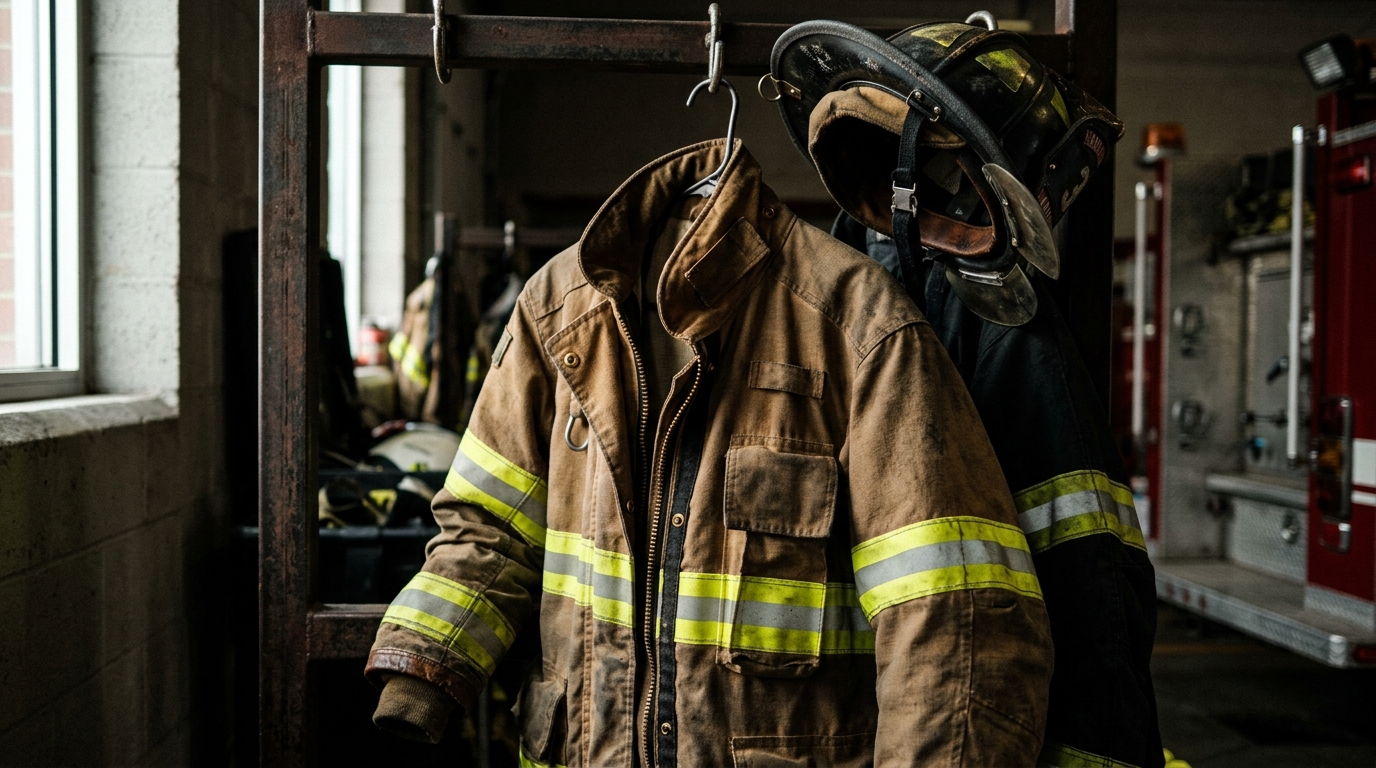
A coalition of 28 municipalities, fire districts, and volunteer departments filed suit alleging that 3M, DuPont-related entities, and turnout gear manufacturers knowingly concealed the dangers of PFAS chemicals embedded in firefighter protective clothing. The complaint frames the alleged concealment as racketeering, a more aggressive legal theory than the product liability claims that have dominated prior PFAS turnout gear litigation, and seeks both damages and injunctive relief tied to long-term health impacts on firefighters who wore the gear.
This filing adds to a growing docket of PFAS turnout gear litigation, including the JPML multidistrict litigation already consolidating cases nationwide and individual suits like a Richmond, Virginia firefighter's 2025 leukemia claim against the same manufacturer network. What distinguishes this coalition action is scale, 28 departments acting together, and the racketeering framing, which opens the door to different damages exposure than a standard defective-product claim.
Every department still running PFAS-treated turnout gear is a potential future plaintiff or, depending on how procurement decisions get scrutinized down the line, a party that will need to show what it knew and when. Documenting current gear inventory, purchase dates, and manufacturer disclosures now is cheap. Doing it after being named in litigation is not.
The take: Racketeering claims signal escalating legal pressure and potential liability shifts in the turnout gear market. Departments should inventory current PFAS gear stock now and start budgeting for PFAS-free replacement cycles before a court forces the timeline.
Read the full story at Fire Law Blog →
What We're Watching
MSA Connected Firefighter Platform: Watch for US department pilots and whether domestic SCBA vendors accelerate their own telemetry integration in response to MSA and Bristol's full-system announcement.
CAL FIRE Station Alerting RFQ: Watch for the October 1 bid deadline and which vendor wins the 150-unit contract, since the winning spec will likely become a reference point for other state agencies.
Illinois Regional Drone Program: Watch for additional agencies signing on to the Glenview dispatch center's drone program and whether other regional dispatch centers announce similar shared-service models.
PFAS Turnout Gear Racketeering Suit: Watch for the defendants' response and whether the racketeering framing survives early motions, since that outcome will shape how future PFAS gear suits get filed.
Get The Overhaul Brief every Tuesday
Fire service intelligence from the people who've been there. Free, always.
Subscribe Now