NASA puts oven sensors on fire dozers, Canada leases 10 aircraft, and Berkeley bets a tax hike saves Station 4
Issue 014 - June 3, 2026
Read time: 6 minutes
This week: NASA turns $50 worth of oven parts into firefighter safety sensors that also collect research data, FEMA opens a $648M grant window closing June 22, Canada leases 10 firefighting aircraft instead of waiting 3-5 years for delivery, Berkeley votes to close a station unless voters approve a sales tax in November, NERIS crosses 10 million reports five months after NFIRS retired, and Cary NC deploys the East Coast's first electric fire truck. Plus how to turn preplan paperwork into a digital advantage.
 WILDFIRE TECH
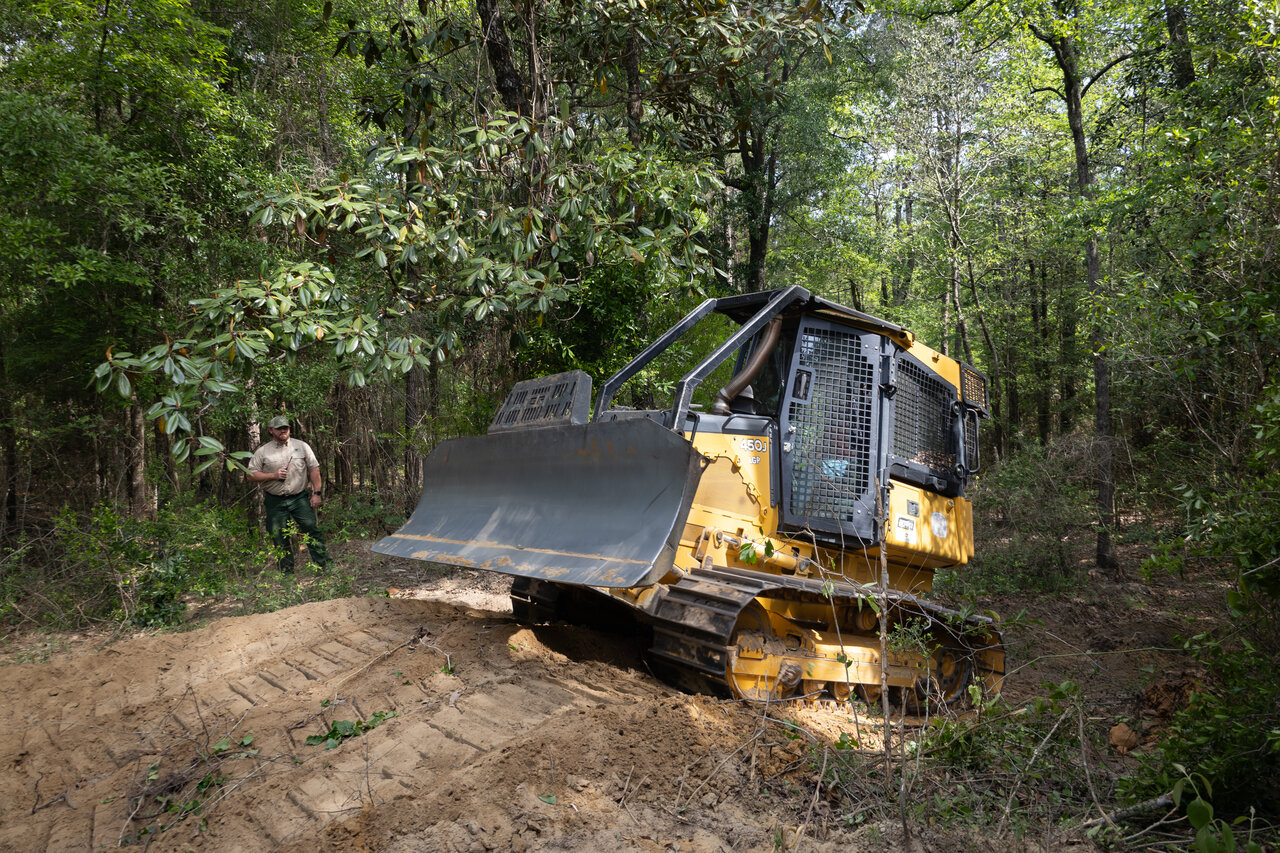
NASA Deploys Low-Cost Thermal Sensors on Fire Bulldozers
NASA's FireSense project developed low-cost thermal sensors for fire bulldozers that alert operators when heat from nearby flames reaches dangerous levels. The sensors use commercial thermocouple components (same as ovens/kilns) wired to dashboard LEDs, powered by AA batteries. Alabama Forestry Commission tested the first units on wildfires and prescribed burns since September 2025, with operators reporting better situational awareness.
The sensors also collect critical data on fire behavior beneath the canopy for researchers. Based on pilot success, AFC is considering outfitting all dozers in its fleet. Future plans include integrating FireTIRS to measure temperature, spread rate, flame length, convection, and gas emissions, plus anemometers and compact cameras for wind and burn severity data.
The take: This is the kind of innovation firefighters actually need - low-cost, field-tested, solves a real problem. NASA isn't building sci-fi gear; they're putting $50 worth of oven parts between operators and catastrophic equipment failure. The fact that it also generates research-grade fire behavior data makes it a double win. Other agencies should take notes: you don't need bleeding-edge tech to save lives, just smart application of what already exists.
Read the full story at NASA →
 GRANTS & FUNDING
FEMA Opens $648 Million in AFG/SAFER Grants
Department of Homeland Security announced $648 million in fire service grants through three programs: Assistance to Firefighters Grants (AFG), Fire Prevention & Safety (FP&S), and Staffing for Adequate Fire and Emergency Response (SAFER). Application window is May 19 - June 22, 2026. AFG funds equipment, PPE, training, and vehicles. FP&S supports community risk reduction and firefighter health initiatives. SAFER provides funding for hiring and retention.
Micro Grants (applications requesting $75,000 or less across all programs) streamline the process for smaller departments. State fire training academies are eligible for equipment, PPE, and vehicles. Federal match requirements typically range from 5-20% but waivers are available for small/rural departments and those serving economically disadvantaged communities.
The take: This is the annual funding cycle every department should be tracking. $648M sounds enormous until you realize it's split among thousands of fire departments nationwide. The June 22 deadline means departments have one month to get applications in - chiefs should be pulling together wish lists and documentation now. The micro grant pathway is huge for smaller departments that don't have grant-writing capacity; $75k can cover PPE or training without the bureaucratic overhead of a six-figure ask.
Read the full story at FEMA →
 WILDFIRE RESPONSE
Canada Leases 10 Firefighting Aircraft Ahead of 2026 Wildfire Season
Canadian federal government leased 10 aircraft through the Canadian Interagency Forest Fire Centre (CIFFC) for the 2026 wildfire season: four Dash 8-400 AT airtankers (10,000-liter capacity), three Airbus AS332 L/L1 helicopters (4,000-liter buckets, 270 km/h cruise), two Sikorsky S-92A helicopters (5,000-liter tanks), one birddog plane, and two mobile forward-attack tanker bases. Total investment is part of a $316 million five-year funding envelope announced in the 2025 federal budget.
Minister of Emergency Management Eleanor Olszewski said the government chose to lease rather than buy to get aircraft into service immediately instead of waiting 3-5 years for delivery. Leased aircraft come with pilots and established maintenance programs. NDP MP Gord Johns welcomed the move but called for long-term strategy to build permanent domestic aerial firefighting capacity.
The take: Canada is treating wildfire season like a wartime logistics problem - lease now, figure out ownership later. The 3-5 year delivery timeline for new aircraft shows why departments can't wait for perfect solutions when fire seasons keep getting worse. The mobile tanker bases are the unsung heroes here: rapid refuel/reload infrastructure cuts turnaround time in half. US agencies facing similar procurement timelines should be asking if leasing makes more sense than sitting on purchase orders while forests burn.
Read the full story at CBC News →
 MUNICIPAL BUDGETS
Berkeley Faces Fire Station Closure in $30M Budget Crisis
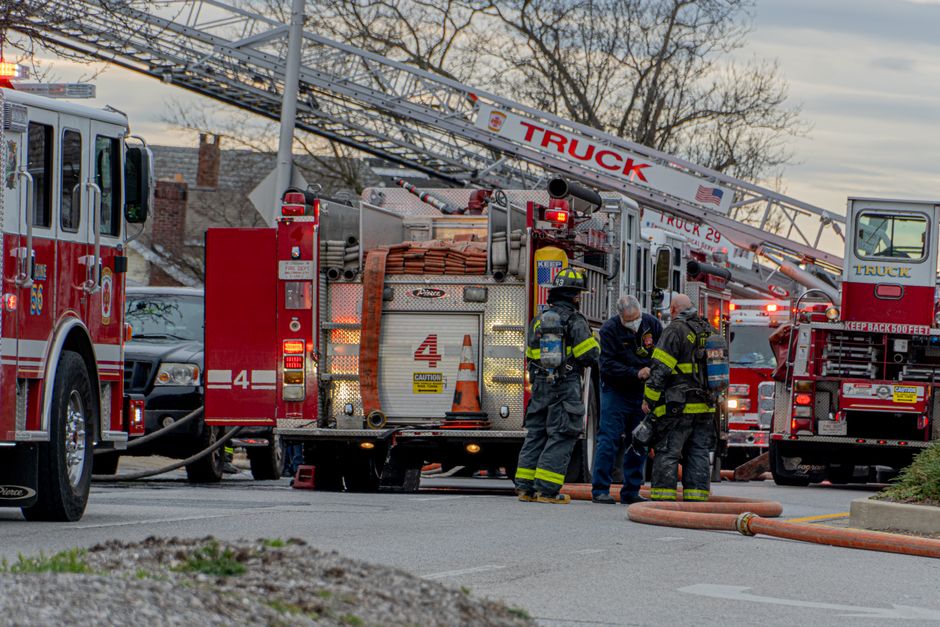
Berkeley City Council signaled support for City Manager Paul Buddenhagen's budget plan to close $30 million structural deficit, including potential closure of Fire Station 4 (North Berkeley) and layoffs of 20 full-time employees. Fire Chief David Sprague called the station closure a "nuclear option" that would materially reduce public safety service levels and increase emergency response times. Station 4 was targeted because it handles second-fewest calls citywide and its territory can be absorbed by other stations.
The city is pursuing a 0.5% sales tax increase for November 2026 ballot that would raise $9M+ annually - enough to keep the station open and prevent other fire/police/parks cuts. A city-commissioned poll found 52% voter support (within 4.4% margin of error). Even if the tax passes, Berkeley would still cut 130 vacant positions and lay off 20 FTEs.
The take: This is the budget calculus playing out in cities across the country - close a station or ask voters for more taxes. Berkeley's strategy is risky: they're approving a budget that includes the closure, then hoping a ballot measure saves it six months later. That's gambling with response times. The fact that Station 4 was picked because its area "can be absorbed" doesn't mean response times won't spike - it just means there's geographic coverage, not adequate coverage.
Read the full story at Berkeleyside →
 DATA ANALYTICS
NERIS Crosses 10 Million Incident Reports as NFIRS Officially Retires
The National Emergency Response Information System (NERIS) has logged over 10 million incident reports since launch, marking the successful transition from the retired National Fire Incident Reporting System (NFIRS). NFIRS officially sunset on January 31, 2026. NERIS is a cloud-based, all-hazards incident reporting platform developed by UL FSRI that supports near real-time submissions, API integrations, and more complete incident data than its predecessor.
The platform reached 1 million reports in December 2025 and has rapidly scaled as thousands of departments complete the transition. States like Oklahoma - where electronic reporting participation plateaued at 50% for 15 years - are seeing participation jumpstart at the state level. NERIS includes a new dashboard that allows departments to visualize and analyze their own data. The system integrates with third-party records management software from vendors like ImageTrend, ESO, and First Due.
The take: NERIS hitting 10 million reports five months after NFIRS died is proof the transition didn't crater like some departments feared. The fact that Oklahoma - stuck at 50% adoption for 15 years - is finally moving tells you the old system was the problem, not firefighter buy-in. Real-time data submission and API integration mean this isn't just better reporting, it's the foundation for predictive analytics, resource optimization, and grant justification.
Read more at NERIS →
 APPARATUS INNOVATION
Cary, NC Deploys East Coast's First Electric Fire Truck
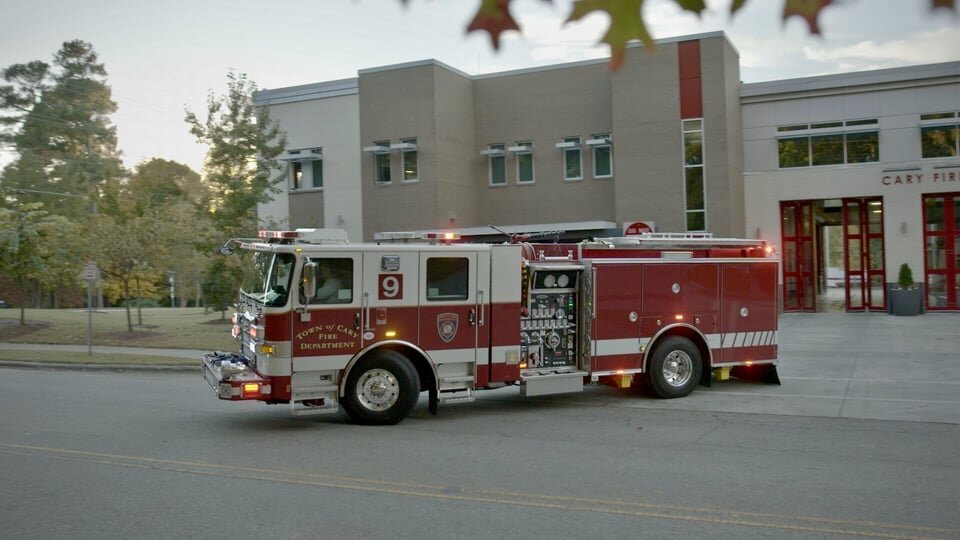
Cary, North Carolina, deployed the East Coast's first electric fire apparatus - a Pierce Volterra electric pumper - as part of a decade-long fleet electrification strategy. The deployment followed years of light-duty EV experience and demonstrates how municipalities can scale into heavy-duty, mission-critical applications. Cary firefighters reported immediate benefits: zero tailpipe emissions in already-hazardous work environments, quieter cab allowing better crew coordination, more temperate interior, and improved working conditions.
The truck's batteries are positioned between cab and pump house (below the apparatus center of gravity) for zero impact on handling/performance while preserving compartment space and body configuration. Cary worked closely with Pierce, Duke Energy, and town leadership to coordinate charging infrastructure, utility load planning, and operational integration. Environmental Defense Fund documented the deployment in a video case study.
The take: This is what smart fleet transition looks like - Cary didn't jump straight to electric ladder trucks; they spent a decade on light-duty EVs, learned the infrastructure requirements, built utility partnerships, then took the leap on heavy-duty. The firefighter feedback is what matters: better air quality, quieter cabs, and no compromise on performance. For departments watching from the sidelines, the lesson is clear - electrification isn't theoretical anymore, it's operational.
Read the full story at Environmental Defense Fund →
Get The Overhaul Brief in your inbox
Fire service tech, AI, and innovation. Every Tuesday, free.
Subscribe Free