This week: a petition before the FCC asks for new rules on 3D indoor firefighter location tracking that could settle mayday accountability once and for all, MSA's new FireGrid API pushes live SCBA air, movement, and alarm data straight into incident command software, and a federal judicial panel weighs consolidating turnout gear PFAS lawsuits from across the country into one national proceeding. Plus the end of NFIRS forces a new data-quality reckoning under NERIS, Asset Panda launches AI-powered equipment tracking for departments drowning in grant-reporting requirements, and OSHA puts the Emergency Response final rule on the calendar for April 2027.
STRUCTURE FIRE - MAYDAY - ACCOUNTABILITY
FCC Petitioned for a New 3D Indoor Firefighter Tracking System
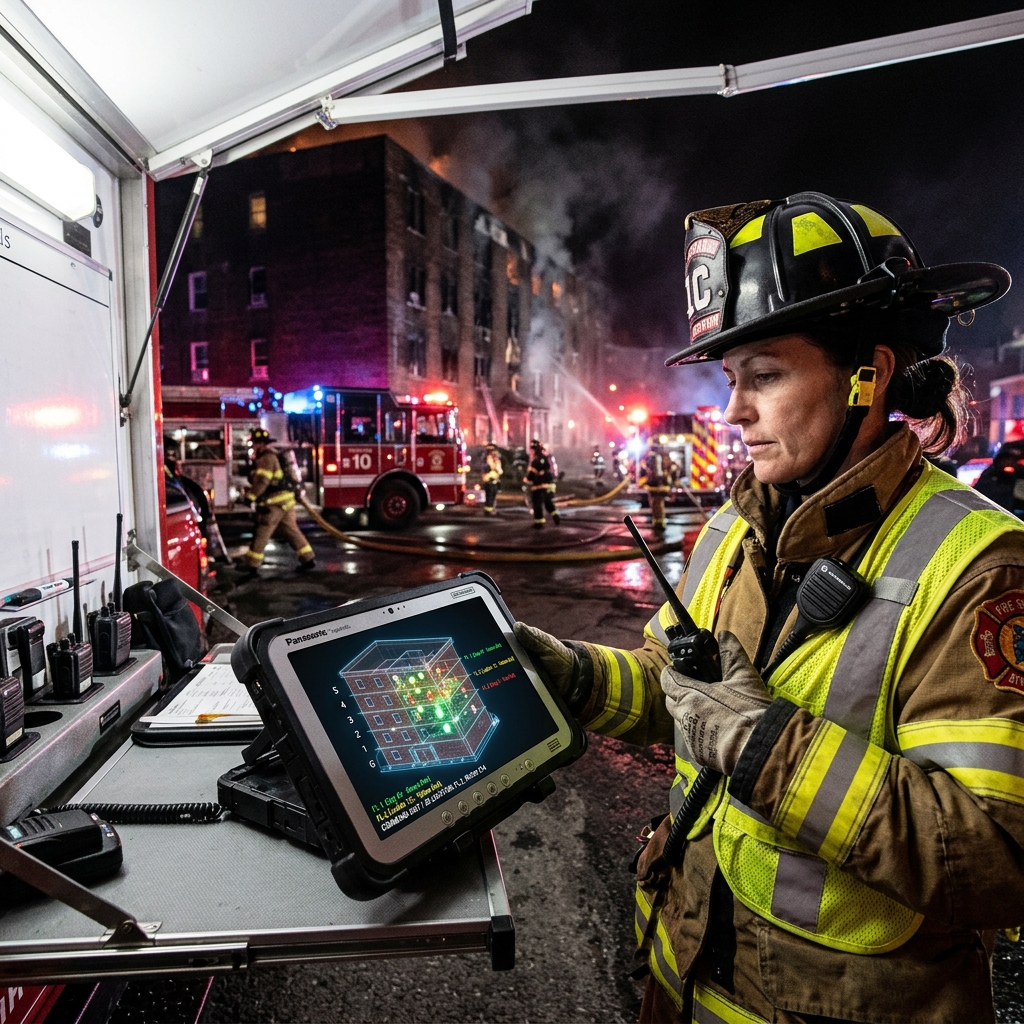
A petition filed with the FCC requests a Notice of Proposed Rulemaking for a 3D indoor location tracking technology that adds vertical altitude data to traditional GPS positioning. The proponent argues the added dimension would let incident commanders determine the exact floor and room a firefighter is on inside a multi-story structure - information that current tracking systems can approximate horizontally but consistently fail to resolve vertically once crews are inside a building.
The petition frames the gap in blunt terms: knowing a firefighter's floor and room location during a mayday, backdraft, flashover, or building collapse can be the difference between a rescue and a recovery. If the FCC issues the requested NPRM, it would be the first regulatory push specifically targeting 3D mayday accountability rather than leaving the problem to individual vendors and departments to solve piecemeal.
The take: This is the first regulatory push for true 3D mayday accountability. If adopted, departments will need new training, new IC software layers, and new vendor questions about signal penetration in Type I-V construction.
Read the full story at AFN →
STRUCTURE FIRE - SCBA - ACCOUNTABILITY
MSA Launches FireGrid API to Stream Real-Time SCBA Data to Incident Command
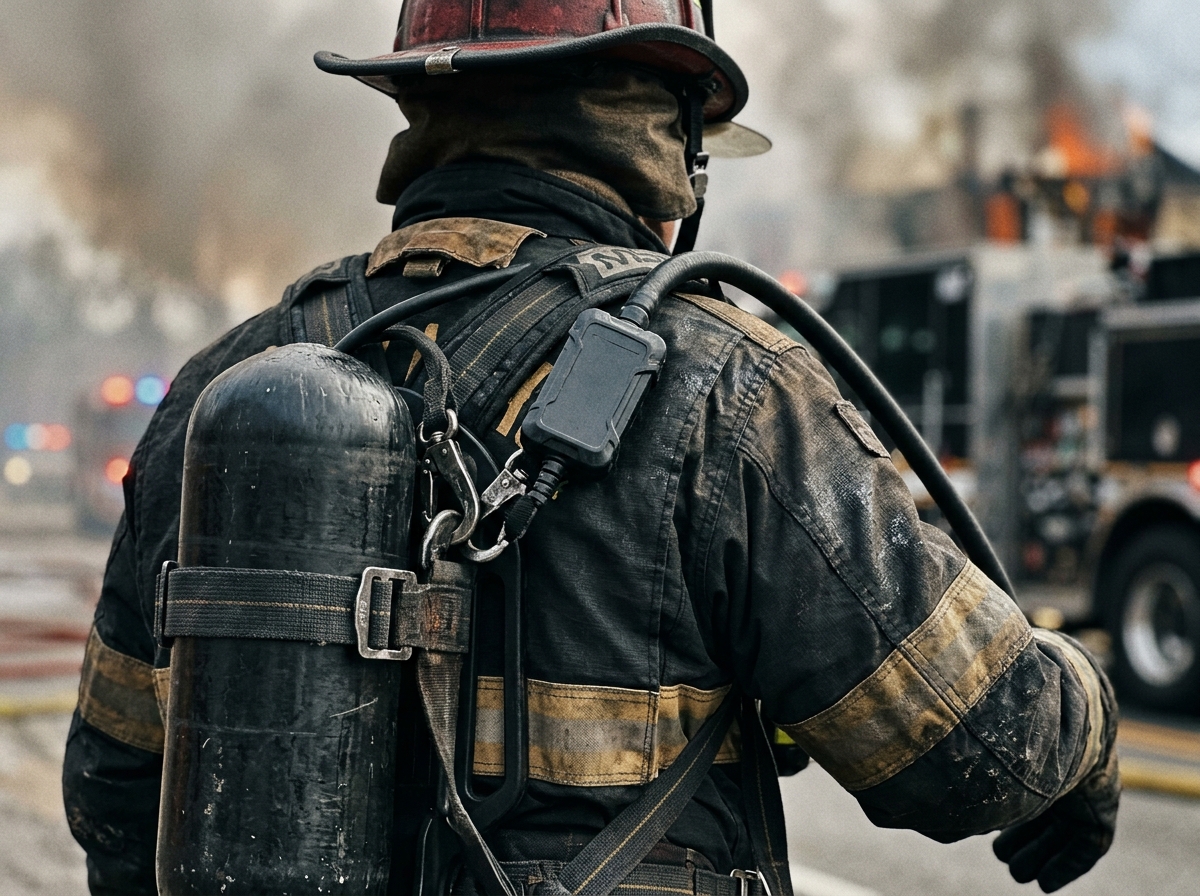
MSA Safety's new FireGrid Incident Command API creates a secure cloud connection that pulls critical data from the company's G1 SCBA units and streams it in real time into incident command platforms. The system links each firefighter's life-support equipment directly to command, giving incident commanders a continuous feed of air pressure, movement, and alarm status instead of waiting for radio check-ins or after-action review to reconstruct what happened.
The API is built to plug into existing IC software rather than require a standalone display, meaning departments already running G1 units have a direct integration path without replacing command infrastructure. MSA is positioning FireGrid squarely at the mayday-response and accountability problem - the same fireground gap the FCC 3D tracking petition targets from the regulatory side.
The take: Real-time SCBA telemetry to IC is no longer a future concept. Departments running G1 now have a direct path to live air, movement, and alarm data without waiting for after-action review.
Read the full story at FireRescue1 →
FIREFIGHTER HEALTH - PPE - PFAS
Federal Panel Weighs Nationwide Consolidation of Firefighter Turnout Gear PFAS Lawsuits
The Judicial Panel on Multidistrict Litigation heard oral argument on July 30 in Asheville, North Carolina on whether to create a new multidistrict litigation consolidating claims that firefighter turnout gear exposes first responders to PFAS. A new MDL would pull turnout-gear injury claims from across the country into a single federal proceeding against gear and textile manufacturers, separate from the existing AFFF firefighting-foam litigation.
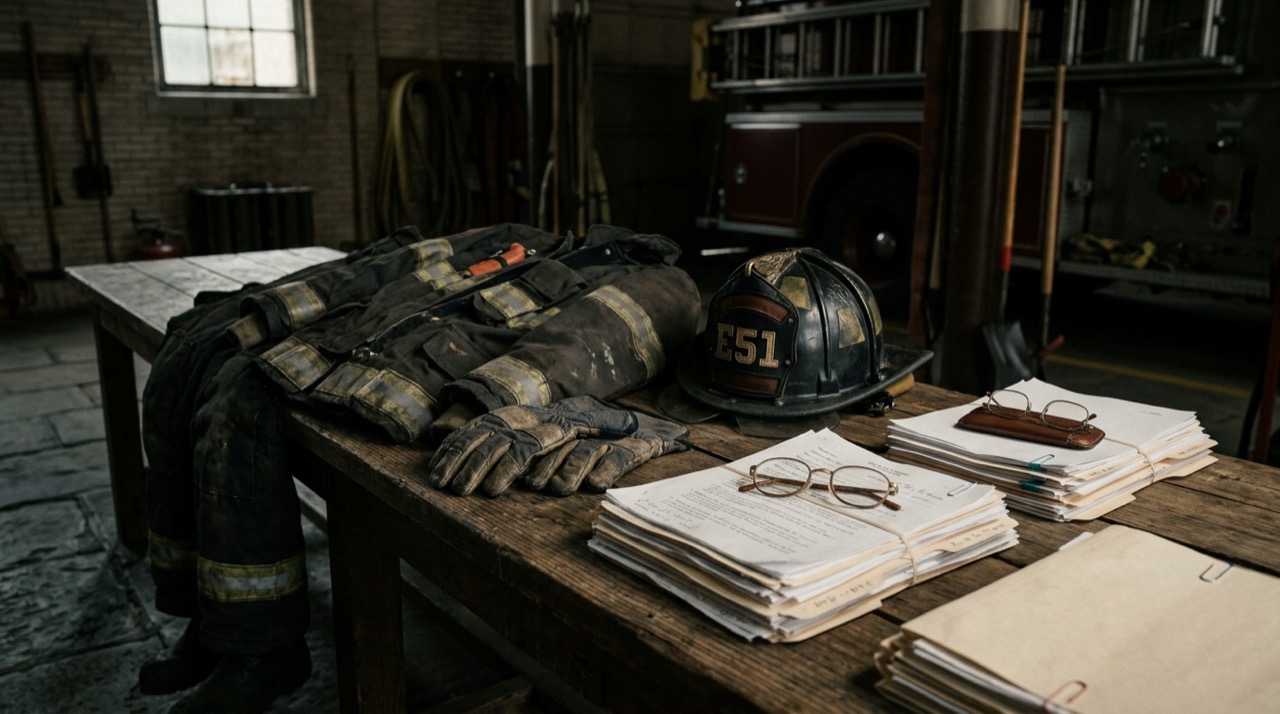
If the panel grants consolidation, discovery on what manufacturers knew about PFAS in protective textiles - and when - moves forward on a national track, with implications for every department's gear procurement, retirement schedules, and exposure documentation. Departments should be preserving gear purchase records and exposure logs now, because those records become evidence the moment members join a consolidated action.
The take: A turnout-gear MDL would make PFAS gear liability a national legal question, not a gear-replacement budget line. Document gear history and exposures now - your members' future claims depend on it.
Read the full story at LlamaLab →
AI - FIREHOUSE OPS - RECORDS
NERIS Transition Forces a New Data Quality Reckoning on Fire Records
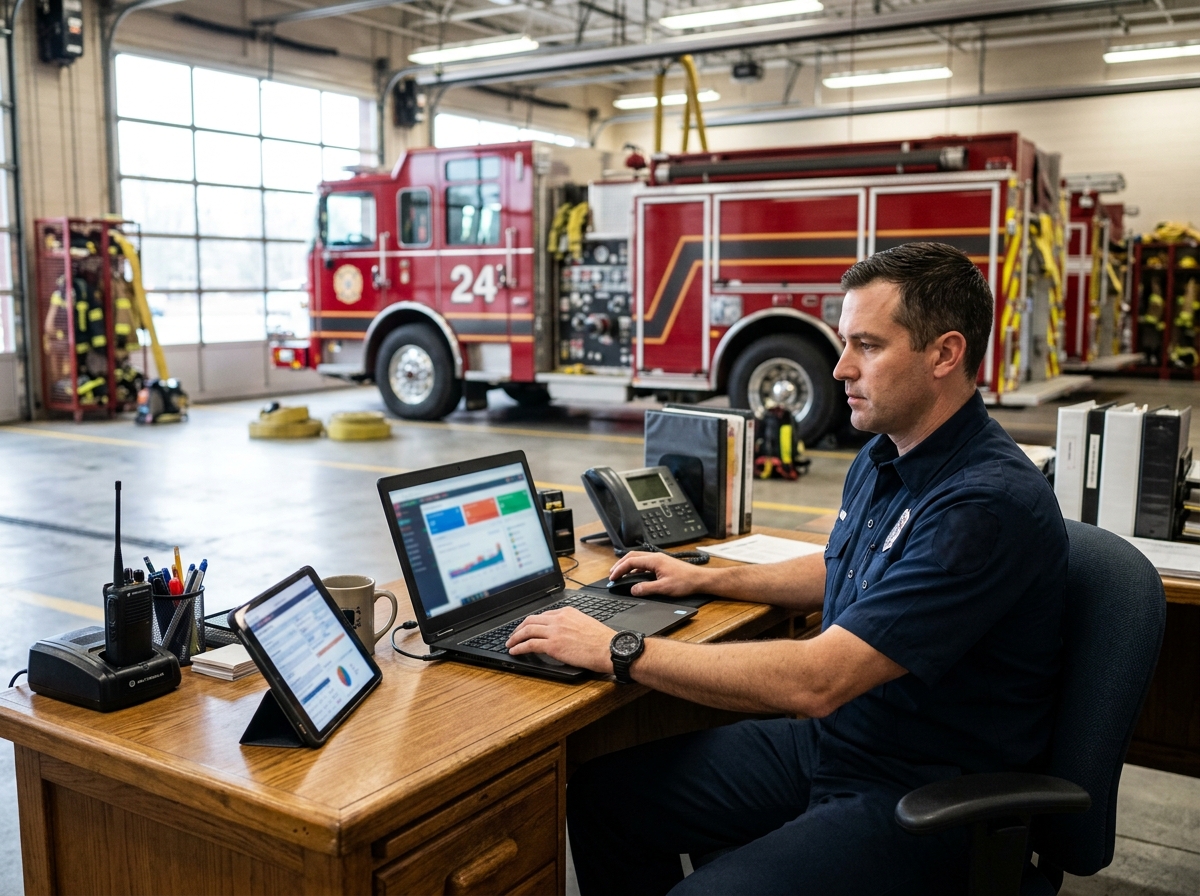
With NFIRS officially decommissioned in January 2026, NERIS is now the exclusive national fire records reporting system, and departments are running into new data quality challenges that the old system never enforced. Mid-year audits are targeting completeness, timestamp accuracy, geocoding, and CAD-to-record consistency - areas where sloppy habits that slid under NFIRS now show up as flagged gaps.
Separately, NEMSIS is pushing a $47 million COTS SaaS FEMSRMS proposal built around NERIS v1 connectivity, ePCR integration, and AI-assisted documentation. AI integration in records management platforms is being pitched as the way to cut the administrative burden of standardized reporting while keeping data quality high enough to survive an audit.
The take: NERIS is not just a reporting change, it is a data quality mandate. Departments that treat it as compliance theater will fail grant audits and lose situational awareness.
Read the full story at Firehouse →
WILDFIRE - SATELLITES - DETECTION
First Operational FireSat Satellites Reach Orbit, Built to Spot Wildfires the Size of a Classroom
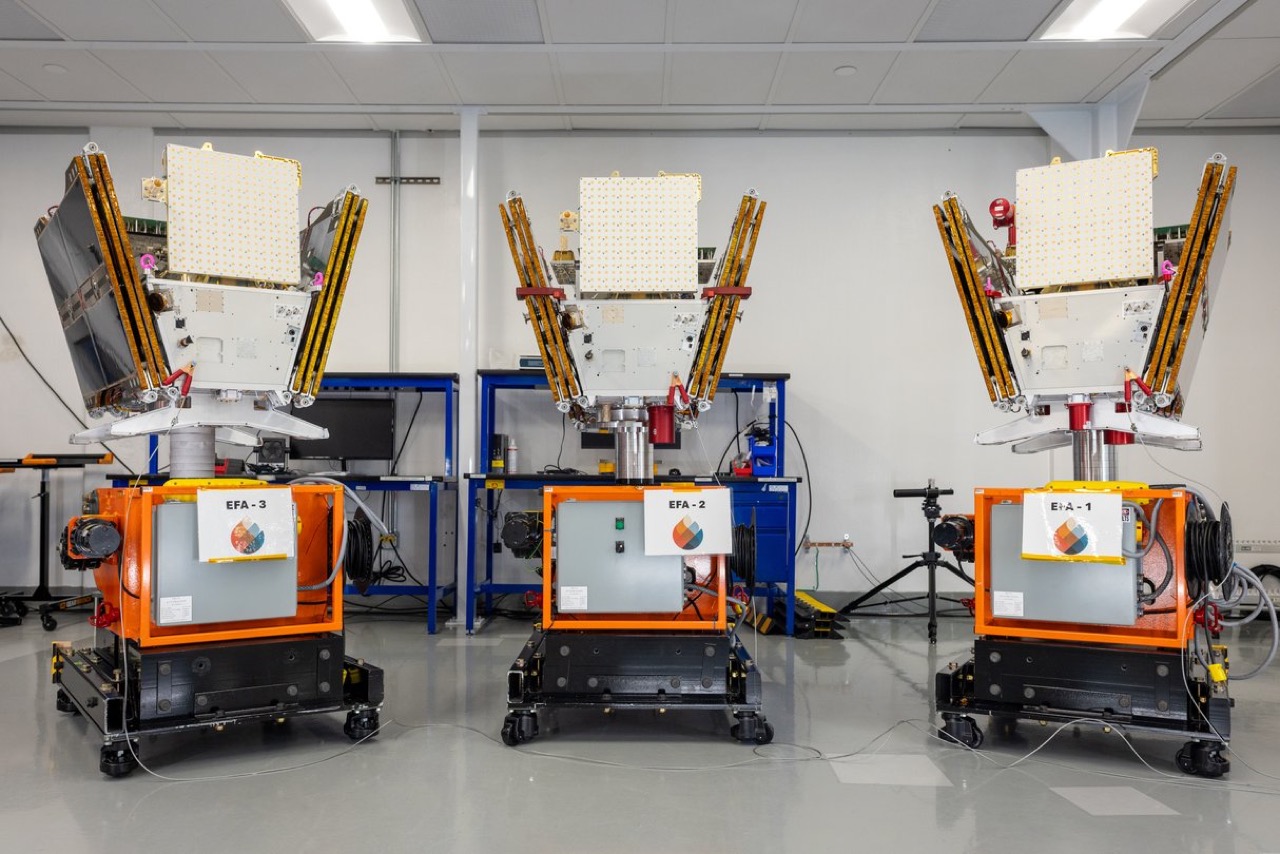
The first three operational FireSat satellites launched July 7 aboard SpaceX's Transporter-17 mission from Vandenberg Space Force Base, moving the Earth Fire Alliance constellation from a single demonstration spacecraft to initial operational capability. Built by Muon Space with detection algorithms developed with Google Research, each satellite carries a six-channel multispectral infrared payload that can spot fires as small as five by five meters and see through smoke and cloud cover.
Together the three satellites deliver at least twice-daily revisits over every fire-prone region on Earth, with operational data flowing to early-adopter fire agencies in Q4 2026. The constellation's roadmap targets roughly 50 satellites, an hourly global revisit rate by 2029, and updates every 20 minutes or less in the early 2030s.
The take: Space-based detection is about to compress the gap between ignition and dispatch. Wildland and WUI departments should start asking their state coordinators now how FireSat data will reach their dispatch and situational-awareness tools.
Read the full story at Earth Fire Alliance →

DEEP DIG - DISPATCH - CITY AUDIT
City Audit Finds Triage-First Dispatch Protocol Quietly Adds a Minute to the Worst Medical Calls
A San Diego City Auditor review of Fire-Rescue's emergency medical response found that a dispatch protocol change made in FY2019 - sending an ambulance first, then dispatching a fire unit only after triage - adds an estimated average of 58 seconds to the most severe medical emergencies. Combined with turnout times averaging 2:54 against a 1:30-2:00 standard, some medical calls see more than four minutes elapse before a fire crew is even rolling.
The audit made three recommendations - re-evaluating the triage-first protocol for high-acuity calls, tightening turnout performance, and improving response-time reporting - and Fire-Rescue agreed with all three. The protocol was originally adopted to reduce unnecessary fire unit runs, a trade-off many departments have made without ever measuring the cost on the critical-call side.
The take: If your dispatch center triages before it tones, nobody may have ever measured what that costs your cardiac arrests and CVAs. San Diego just did - and the number was almost a full minute. Ask your comm center for the same analysis.
Read the full audit at sandiego.gov →
FIREHOUSE OPS - REGULATION - OSHA
OSHA Sets April 2027 Target for Emergency Response Final Rule Replacing the Fire Brigades Standard
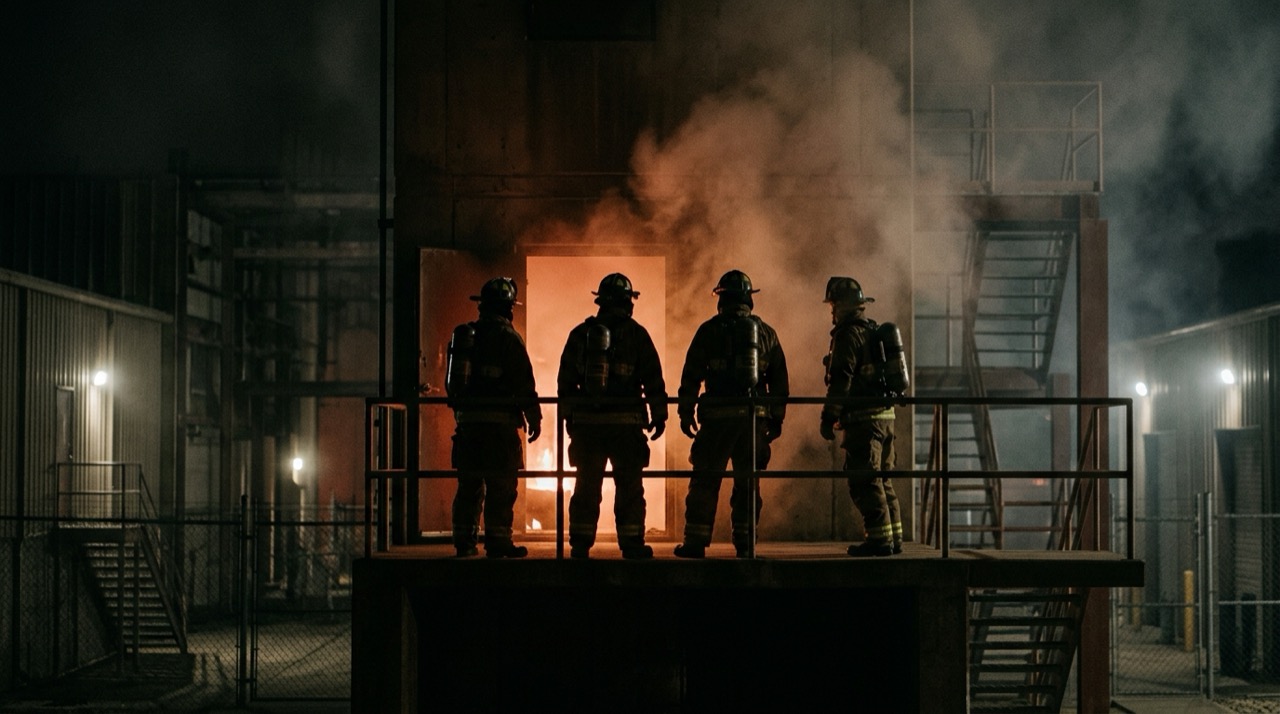
OSHA's newly published 2026 regulatory agenda commits the agency to an April 2027 final rule for the Emergency Response Standard - the long-running rulemaking that replaces the 1980s-era Fire Brigades Standard (29 CFR 1910.156). The proposed rule, published in February 2024, extends protections beyond industrial fire brigades to the full range of emergency responders, including EMS and search-and-rescue personnel, with requirements spanning medical evaluations, training competencies, PPE programs, and pre-incident planning.
The date gives every department a real countdown. State associations are already drafting state-plan responses, and departments that wait for the final text will be retrofitting health screening, training documentation, and equipment programs under deadline pressure instead of phasing them in. The compliance cost concerns raised by volunteer and combination departments during the comment period remain unresolved - which makes the next year the window to influence and prepare.
The take: April 2027 is now on the calendar. Departments that start aligning medical evals, training records, and PPE programs to the proposed rule this year will absorb the standard. Everyone else will scramble.
Read the full story at J.J. Keller →
WHAT WE'RE WATCHING
Whether the FCC actually issues the requested NPRM on 3D indoor firefighter tracking, and which vendors already have working 3D prototypes ready for testing if it does.
Which incident command platforms integrate MSA's FireGrid API first, and whether departments running it see a measurable change in mayday response times.
Whether other Massachusetts departments meet the January 2027 PFAS-free PPE deadline, and whether PFAS-free gear holds up to legacy gear in live fire performance testing.