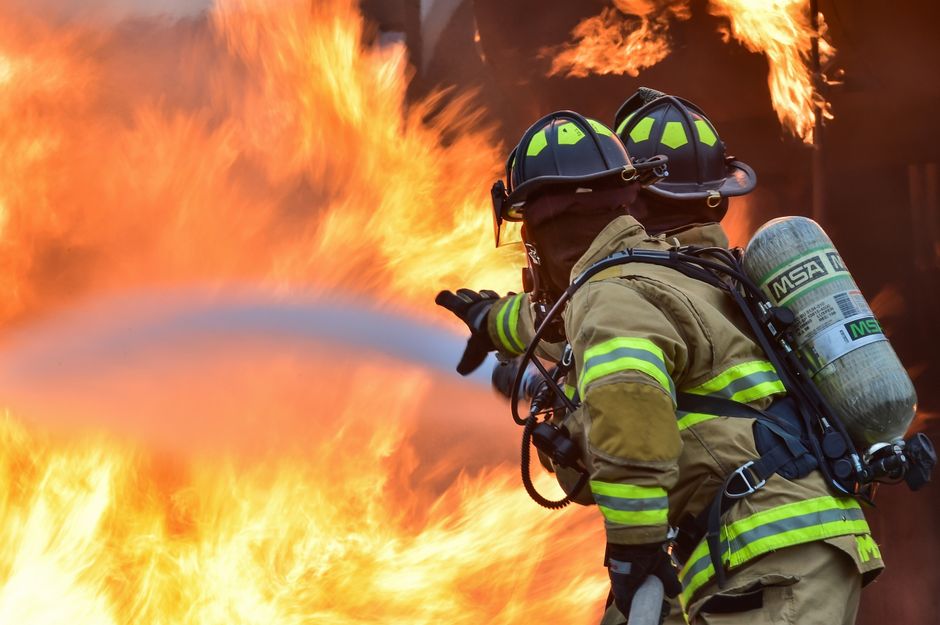
Waco Fire Department Puts Thermal Vision Inside The Helmet, Hands Stay Free
This week: Waco puts thermal vision inside the helmet so hands stay free, MIT builds a drone that mathematically guarantees no collisions, 79 percent of fire chiefs use AI but only 14 percent have a policy, an autonomous launcher fires retardant before crews arrive, astronomers win an XPRIZE for wildfire detection, hospitals get patient data before the ambulance arrives, and Virginia maps fire risk statewide in one public dashboard.
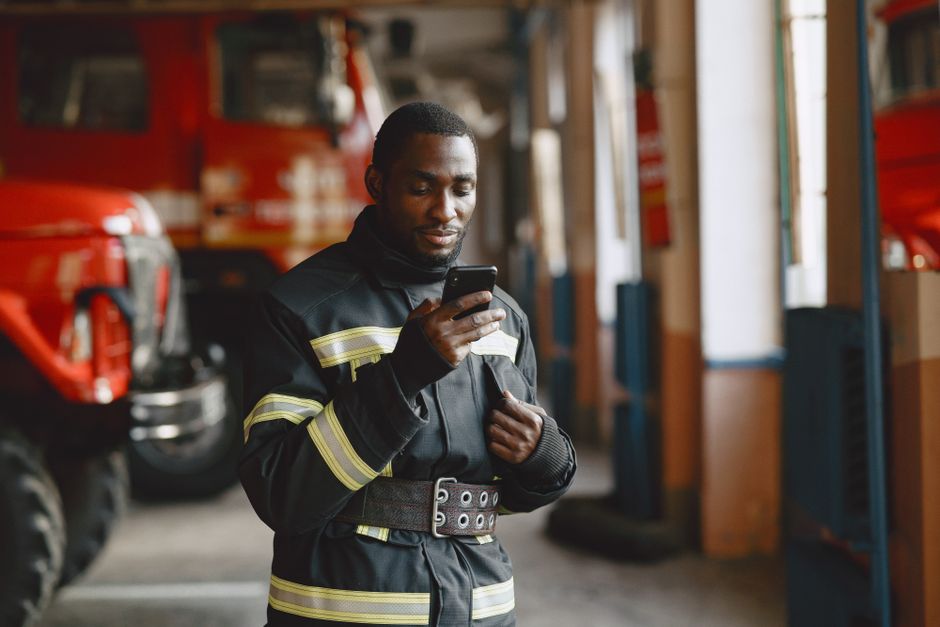
NVFC Tells Departments Exactly Which AI Tools To Use For Social Media And Recruitment
This week: NVFC names the AI tools volunteer departments should use for recruitment, a 724-page state report finds LA fire units went dark with no unified command, CAL FIRE gets a dedicated innovation unit, AMKUS gets UL certification for battery-powered rescue tools, EV fires force new 24-hour scene protocols, LAFD sues a cybersecurity vendor after a network breach, and a new CO2 cleaning system strips 98 percent of carcinogens from turnout gear.
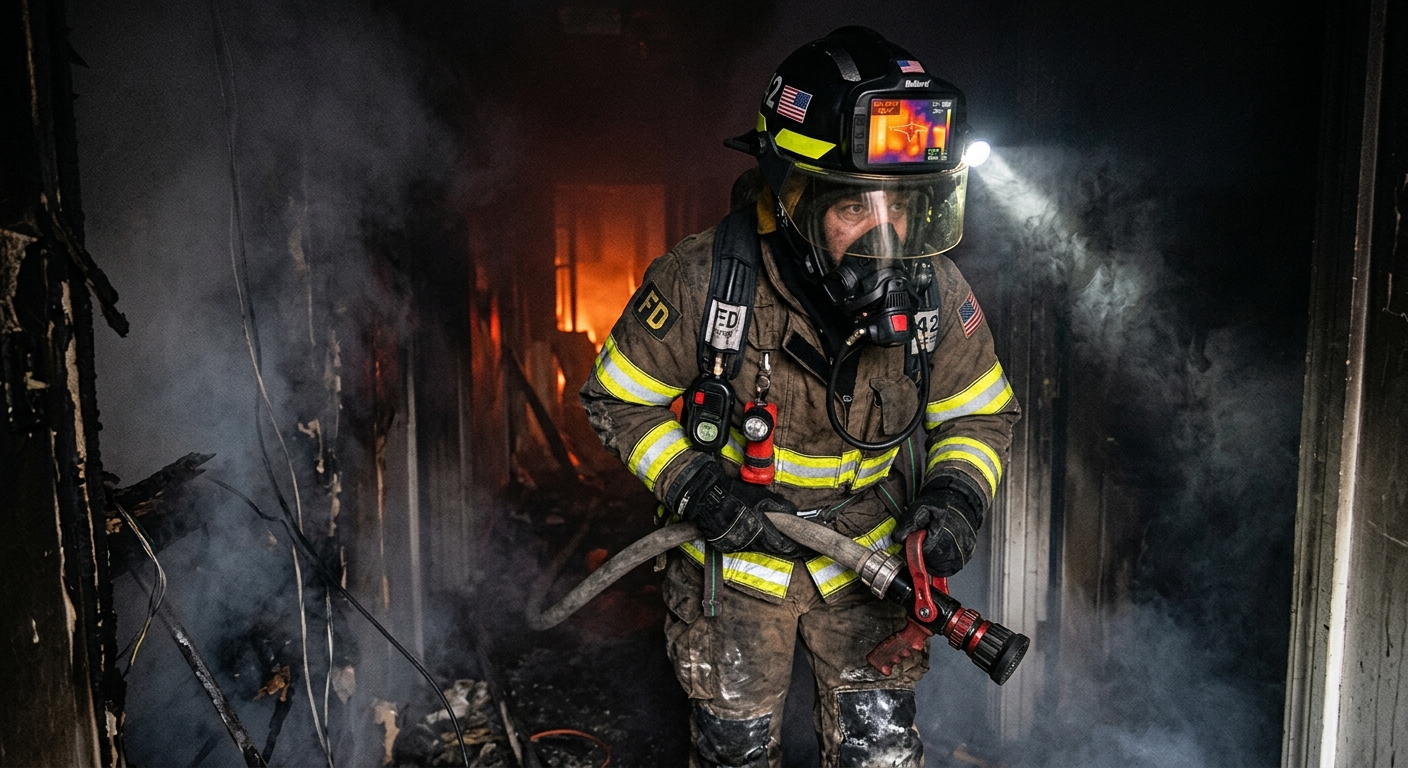
Waco Fire Puts Helmet-Mounted AR Thermal Imaging On 16 Firefighters In A $400K Pilot
This week: Waco tests helmet-mounted AR thermal imaging, MSA builds a rescue beacon into its new SCBA, Colorado forces insurers to reveal secret wildfire risk scores, a battery storage fire evacuates 500 homes, an 80 kg mist unit knocks down fire with less water, Folsom restores an engine with EMT-only hires, and TheFireStore opens a one-stop shop for lithium battery fire tools.
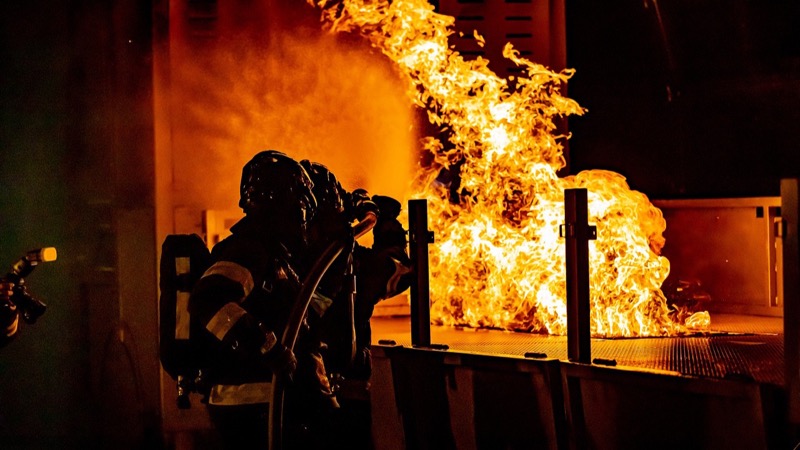
MSA and Bristol Just Unveiled The Connected Firefighter System The Industry Has Been Talking Around For A Decade
This week: MSA and Bristol unveil a full connected firefighter ecosystem, the GALLET F1 helmet gets its next evolution, Sysnav's FRST tracks crews inside GPS-dead buildings, Hong Kong cuts SCBA cylinder swaps to under 10 seconds, CAL FIRE wants 150 new P25/LTE station alerting units, 22 Illinois agencies launch drones straight from dispatch, and 28 departments file a racketeering suit over PFAS gear.
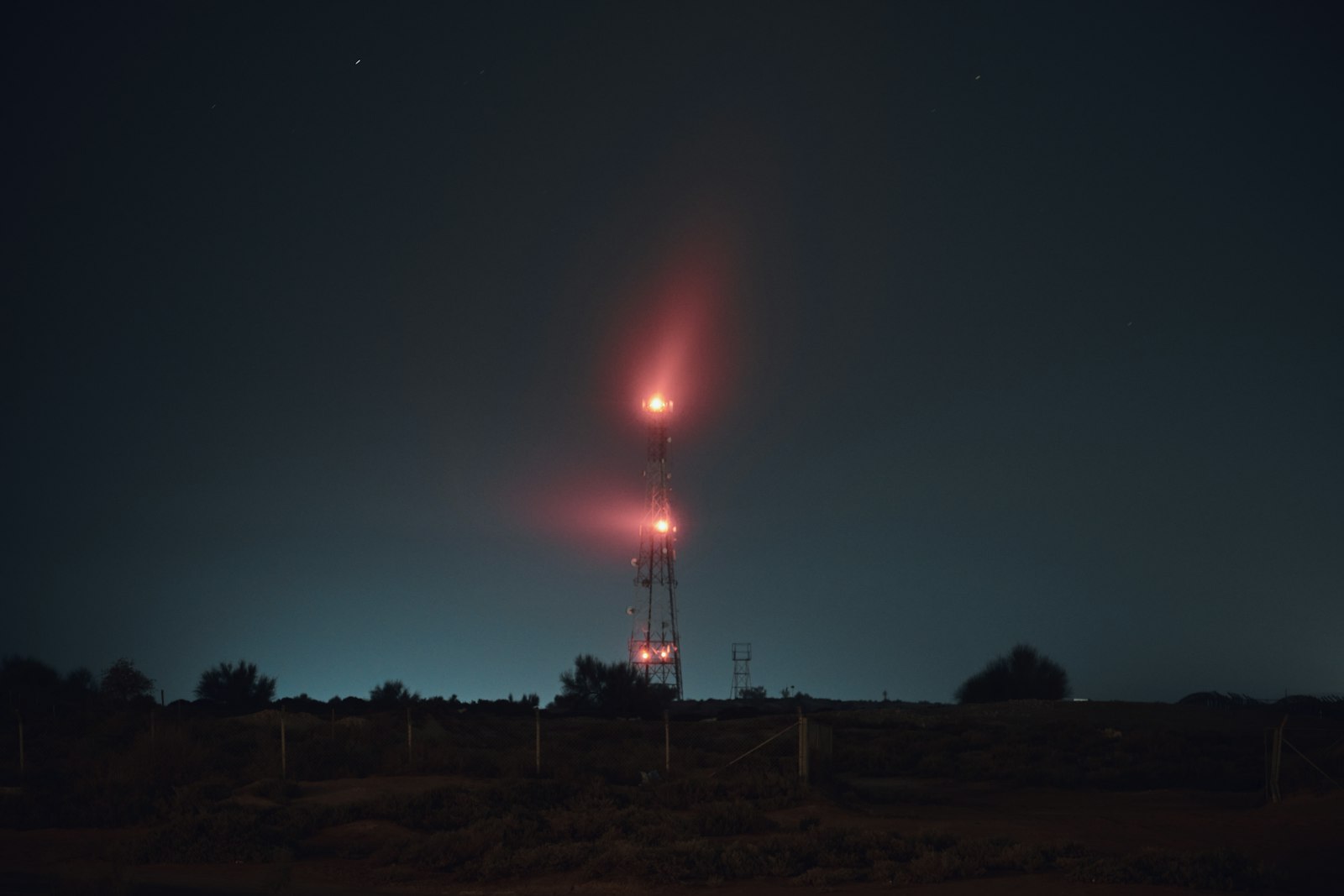
The AI Cameras That Beat 911 - And The Dispatchers Who Trust Them
This week: AI cameras spot wildfires before anyone calls 911, Seattle council presses its fire department over a secret AI 911 triage program, senators sound the alarm as wildfire crews hit critical staffing lows, FDNY and CAL FIRE go live with AI-written run reports, a Danish wristband detects cardiac arrest with 92% accuracy, new testing data undercuts EV fire blanket warnings, and drone-as-first-responder data shows fewer wasted runs.
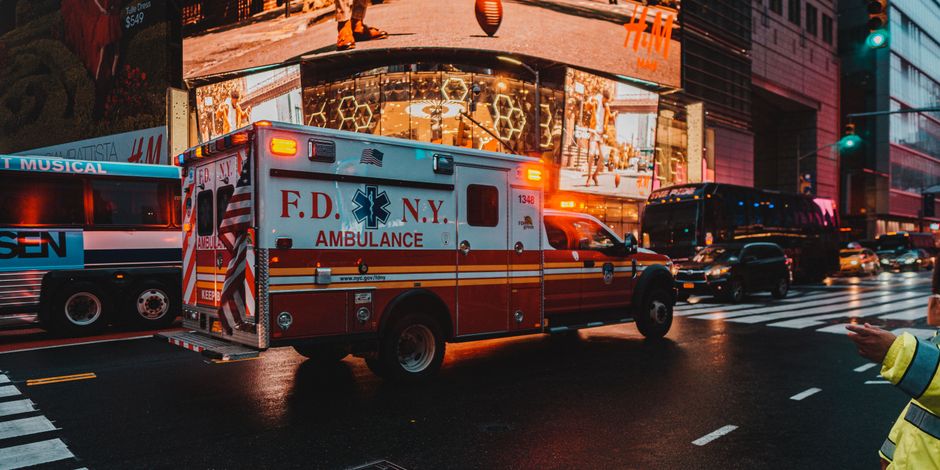
NYU And FDNY Build A Digital Twin To Predict Ambulance Speeds
This week: NYU and FDNY build a digital twin that predicts ambulance speeds in West Harlem, the University of Washington builds an AI to triage simultaneous wildfires, new federal tariffs double the cost of every thermal drone in the fire service, UC Riverside finds station culture not rules drives cancer prevention, a fire captain builds the free hazmat reference app WISER should have been, and FDNY's 25-year health report counts more than 600 WTC illness deaths - exceeding the 343 lost on 9/11.
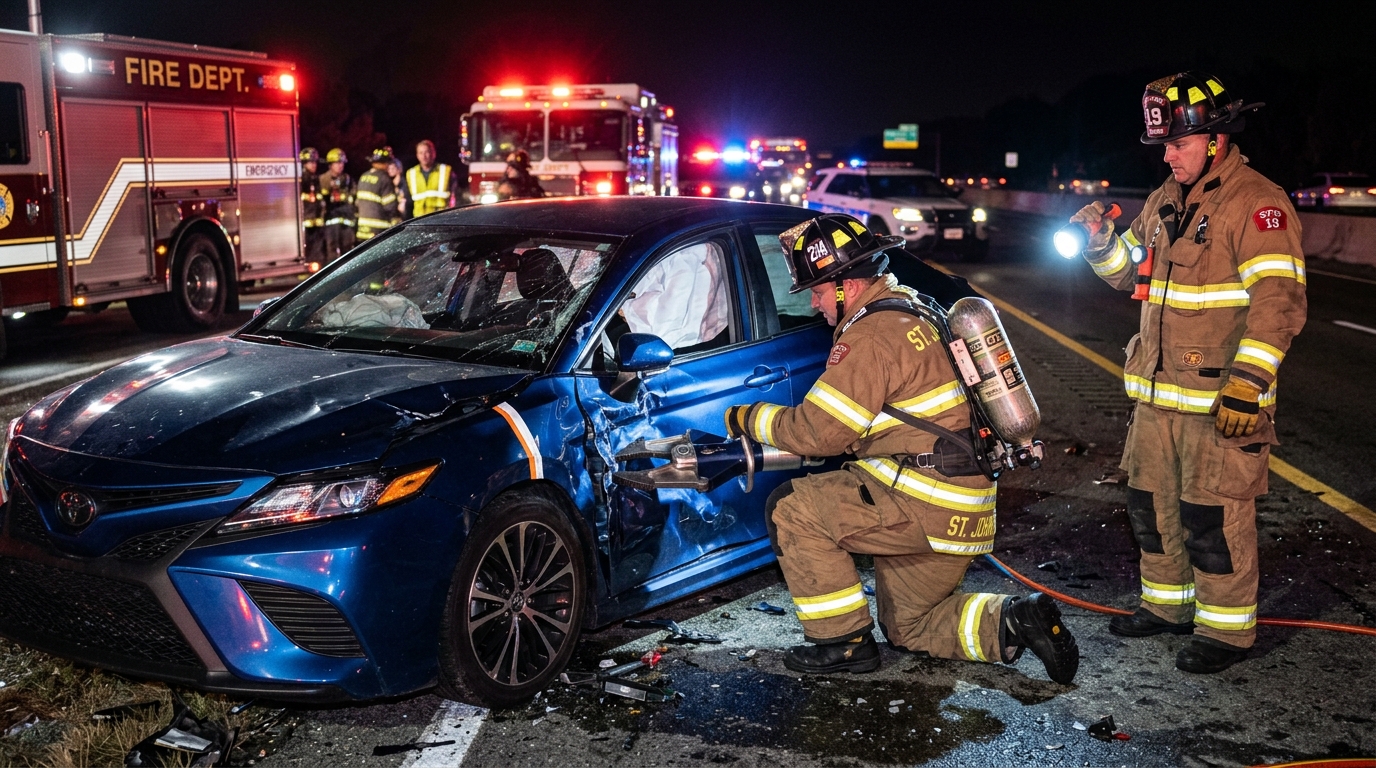
USFA Warns Most EV Owners Cannot Open Their Own Doors After a Crash
This week: USFA drops a bulletin on why most EV occupants cannot get out of their own car after a crash, Mississippi State wins a five-year NSF grant for AI robot firefighting, Waterloo builds an AI system to predict how house fires behave, a student team builds a LiDAR helmet that maps burning structures in real time, Hong Kong pairs fire forecasting with an AI agent, a FOIA release shows 1,000+ agencies cleared for drone flights, and Nova Scotia funds the first province-wide fire leadership certificate.

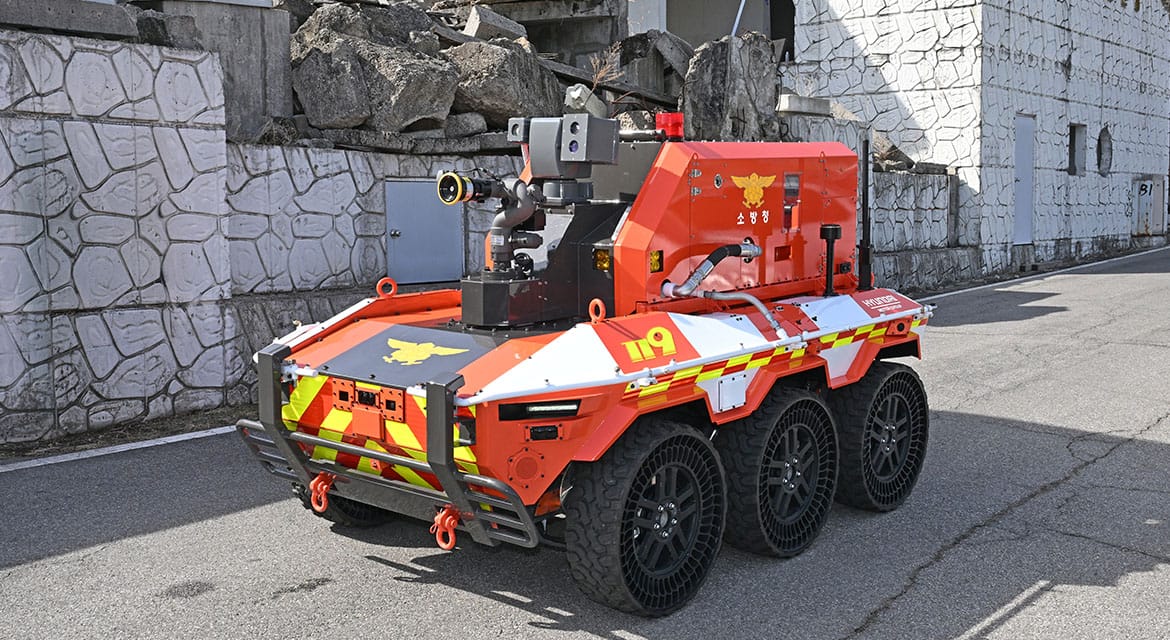
The World's First Firefighting Humanoid Robot Just Debuted in Beijing
This week: the world's first firefighting humanoid robot debuts at a Beijing conference, acoustic fire suppression startup patents sound-wave drone swarms, Germany delivers a $6.6M firefighting robot fleet to Ukraine, NIST's FlashNet predicts flashover with 92–94% accuracy, Trump merges four federal fire agencies into one, the volunteer recruitment crisis is a messaging gap, and NFPA says AI is pushing skilled fire labor demand up.
Zero-Visibility Water Used to Mean Blind Rescue Divers. Not Anymore.
This week: a North Carolina fire department deploys the first underwater rescue drone in U.S. fire service, turnout gear PFAS suits head for their own federal docket, NSF funds the first model of how wildfires burn at night, GAO catches FEMA cutting 4,300 staff with no workforce plan, a Virginia county tests drone-delivered AEDs for cardiac arrest, and NC State finds body armor traps heat differently on women.

Ransomware Killed 911 Dispatch. Your CAD System Could Be Next.
This week: ransomware knocks out 911 fire dispatch in a Northern California city, a DC audit finds fire overtime spiraling while staffing stays flat, AI scores every roof's wildfire risk and decides who loses coverage, a fire agency deploys trailer-based motion simulators for driver training, drone AI sees fire hotspots hidden under forest canopy, two PFAS compounds found in firefighters that nobody is testing for, and a PFAS-free hood blocks 99% of contaminants.
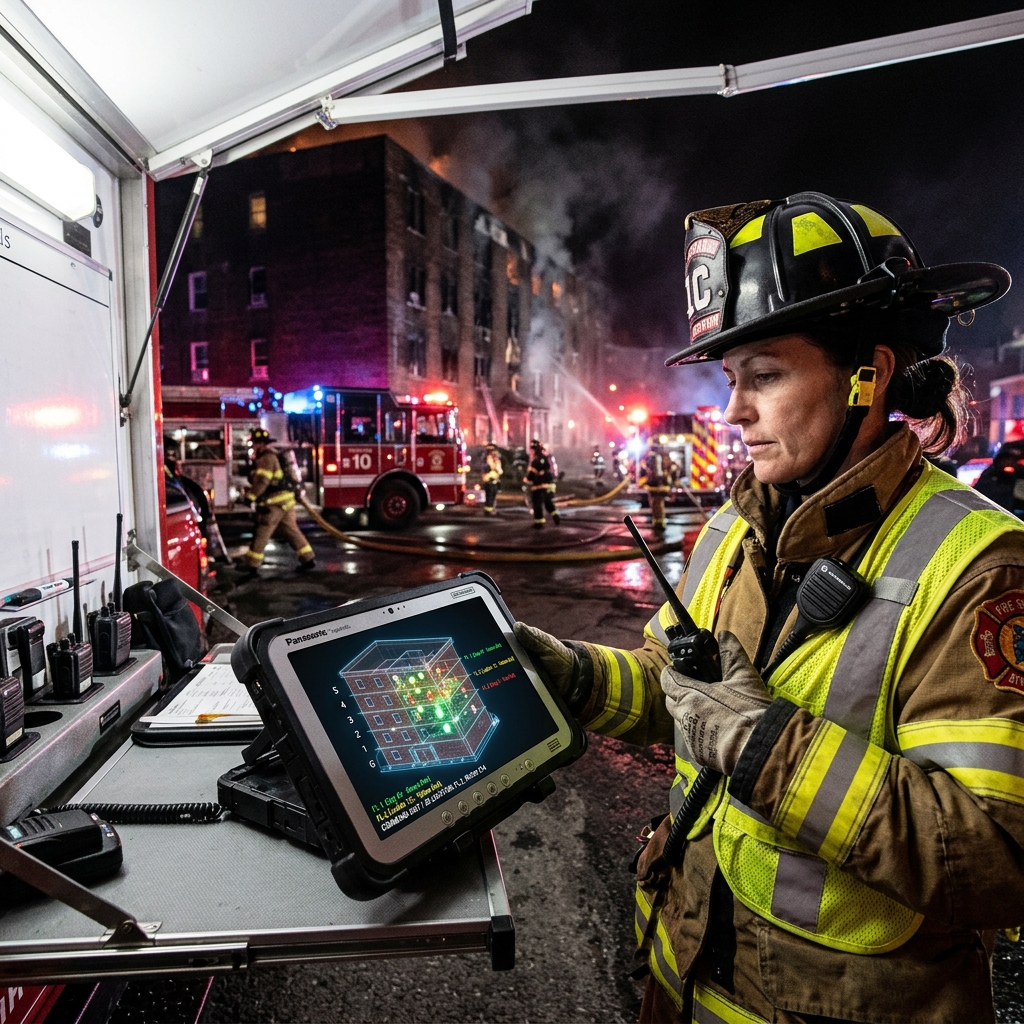
FCC Petitioned for 3D Firefighter Tracking, Real-Time SCBA Data to Command, and Quincy's PFAS-Free Gear Rollout
A petition asks the FCC for new 3D indoor firefighter tracking rules, MSA's FireGrid API streams live SCBA data straight to incident command, Quincy MA completes a department-wide switch to PFAS-free turnout gear, NERIS forces a new data-quality reckoning on fire records, Asset Panda launches AI-powered equipment tracking, and a Michigan township puts a staffing millage on the ballot.
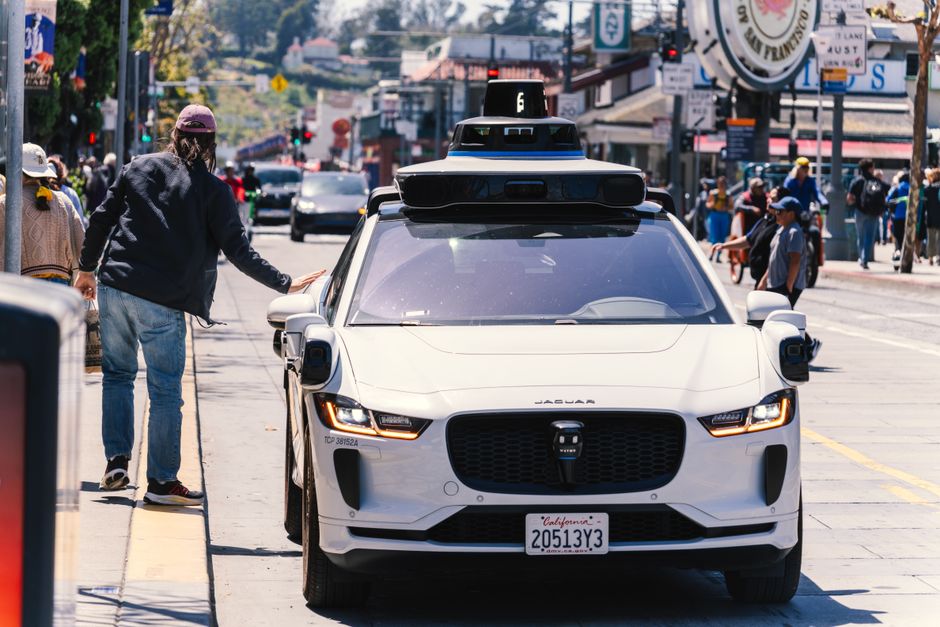
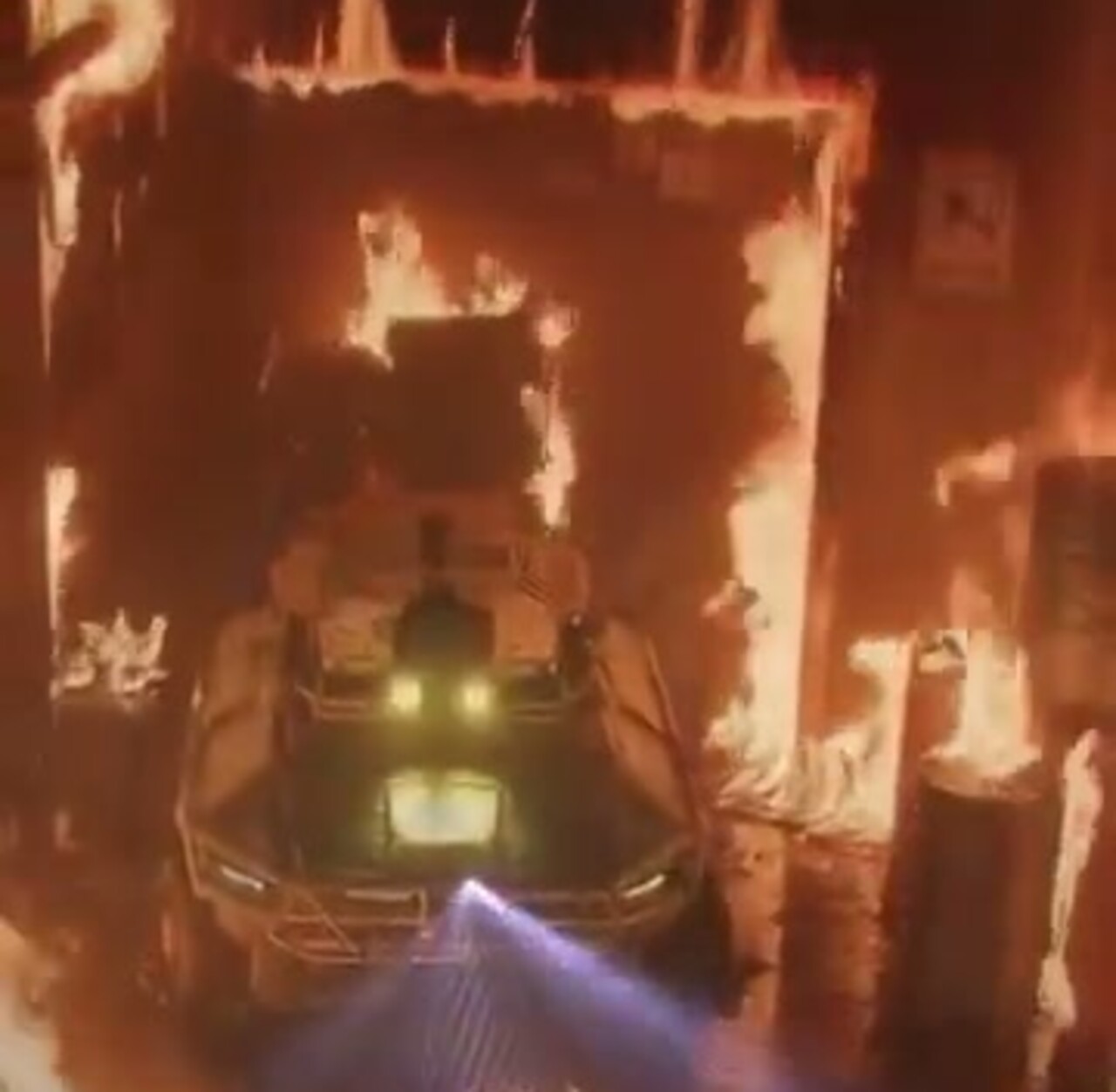
A Robotaxi Drove Into a Working Fire, Satellites That Reposition for Wildfires, and the Lab Catching Battery Defects Before They Burn
Amazon recalls its robotaxi fleet after one entered an active fire scene, WVU builds an AI that lets satellites reposition for wildfires, a terahertz scanner catches battery flaws before EV fires, a fire lab studies why data center batteries ignite, Virginia ties grants to NERIS compliance, and a Chinese utility patents a dual-model fire robot.
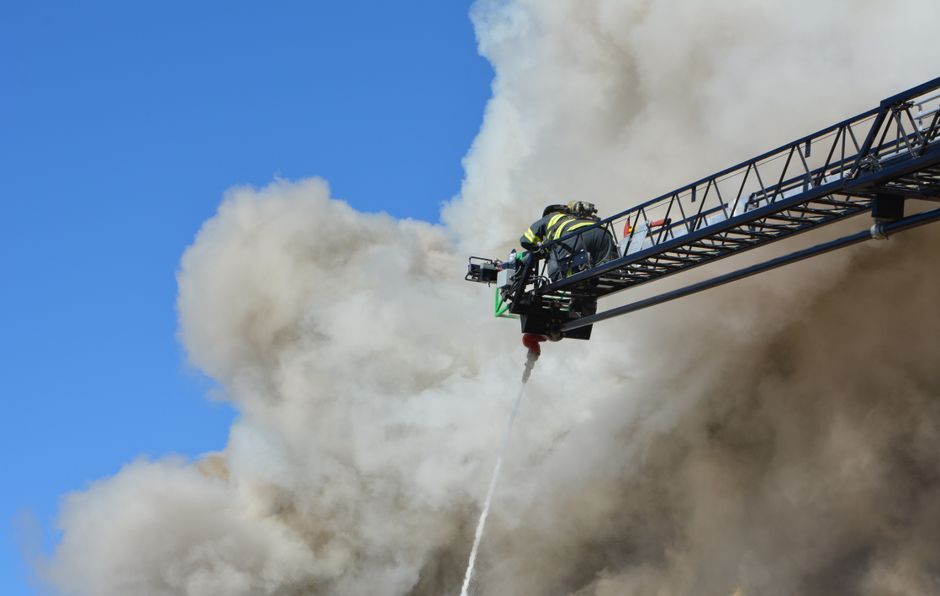
Putting Out Fire With Sound Waves, the First Wildfire-Detection Satellites Reach Orbit, and an AI That Runs Your Command Board
A California department tests putting out fire with sound waves, the first satellites built to detect wildfires reach orbit, Cornell wearable sensors predict firefighter heat stress, a new agent targets lithium-ion battery fires, an AI runs the fireground command board, and a wearable 12-lead ECG goes on in 30 seconds.
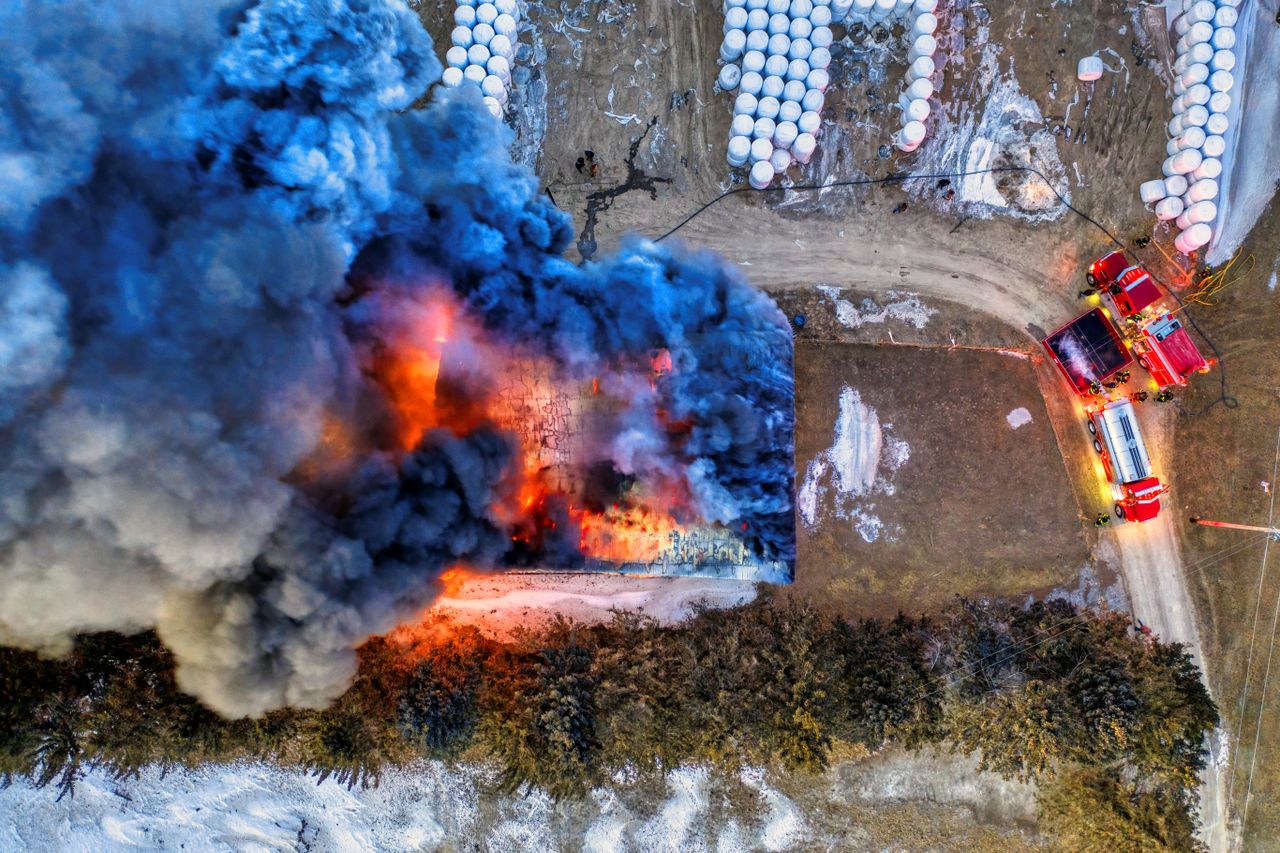
Drones Launch While the Call is Still Live
Fairfax County wires AI into 911 calls to launch drones before units dispatch, University of Miami researchers train as wildland firefighters to study cancer risk, the first national PFAS blood profile across 550 volunteer firefighters, and Wisconsin's volunteer fire service losing 930 positions since 2020. Plus Holmatro's six-function T1 forcible entry tool and what a Rochester collapse drill settled about extrication tool order.
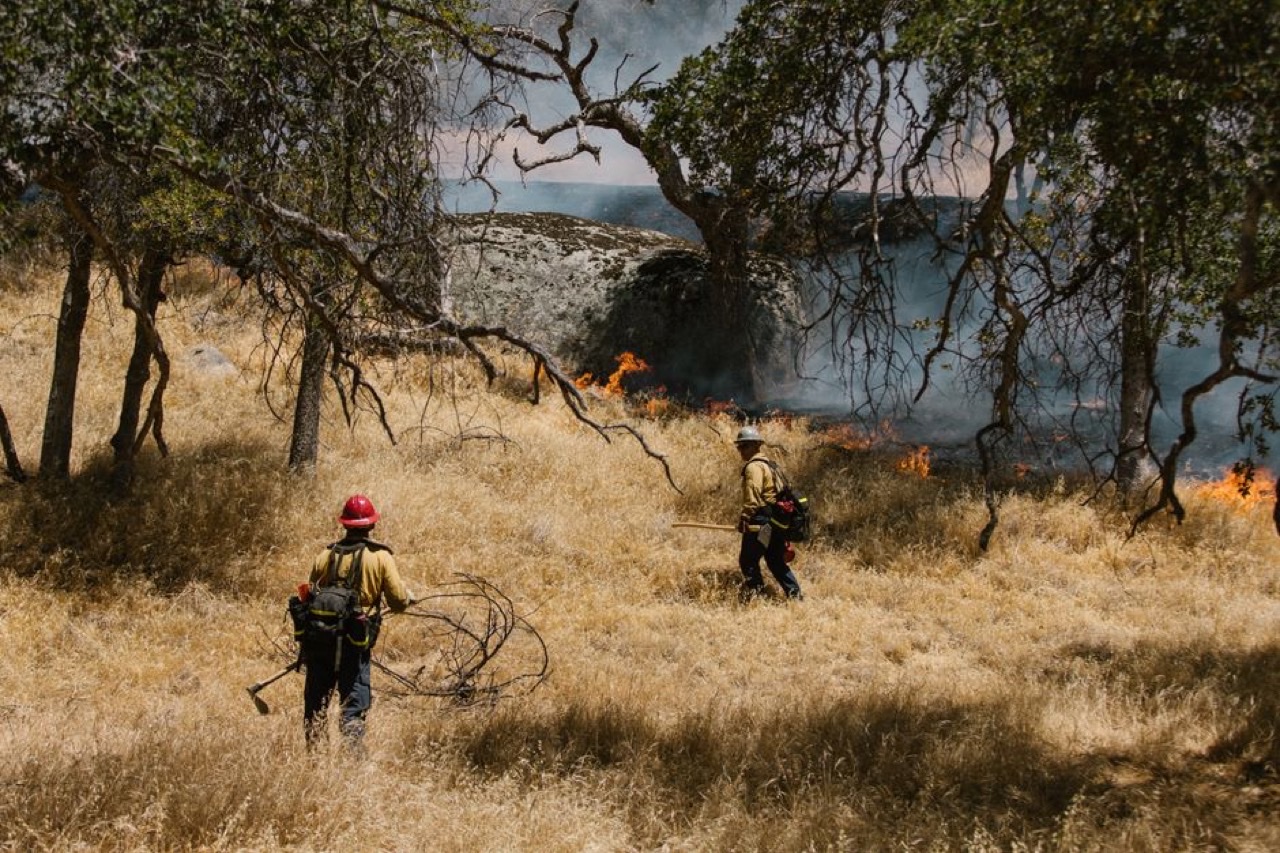
Satellite Crew Tracking, Turnout Gear Built for Women, and Wildfire Digital Twins
Satellite tracking for wildland crews, turnout gear engineered for the female body, a $1.8M Google.org wildfire digital-twin grant, a USFA behavioral health study, FireSat satellite constellation funding, and Cleveland's Waze and Apple Maps truck alerts.
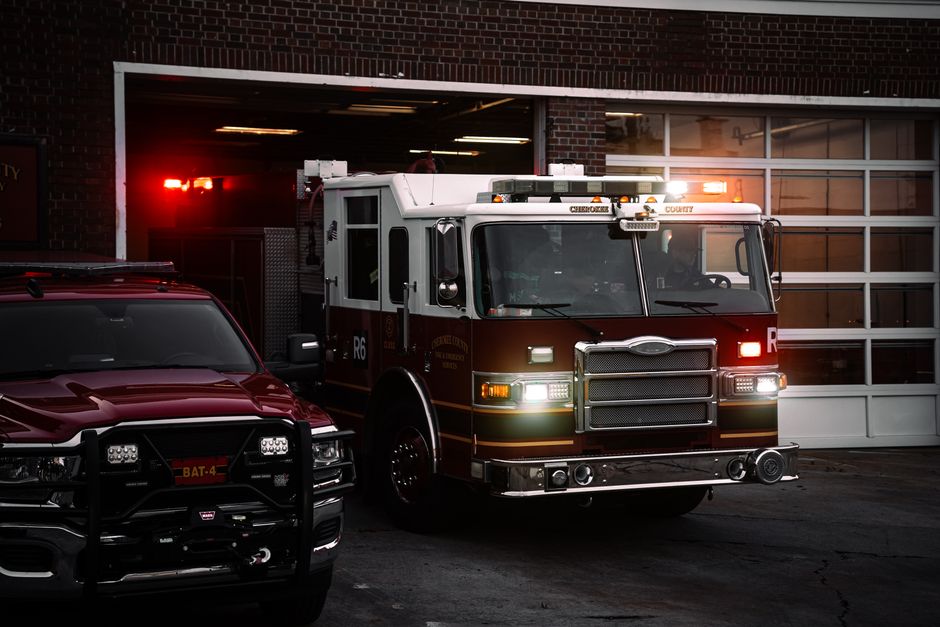
FCC Expands NG911 Reliability, Arizona PFAS Behaviors, Michigan PFAS Dataset
The FCC expands reliability rules to every company handling NG911 traffic. University of Arizona identifies specific fireground behaviors driving PFAS exposure. Michigan publishes the nation's most comprehensive firefighter PFAS dataset. Louisiana fire district sues cybersecurity contractor after breach. Forest Service claims full staffing while 6,000 permanent positions stay gone. ESO closes the EMS feedback loop.
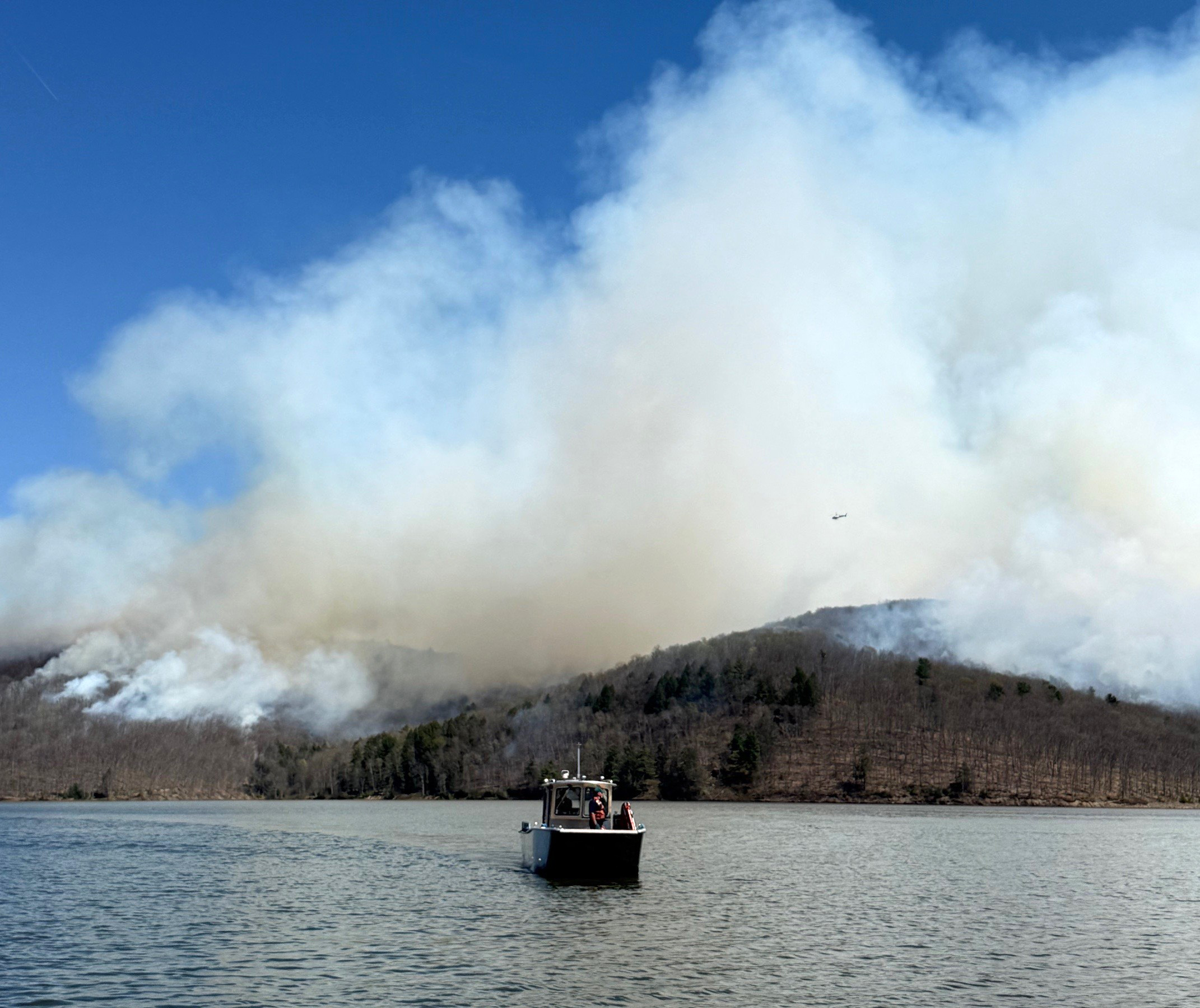
Forest Service Authorizes N95s On The Fireline, Carnegie Mellon + Meta Build AI Situation Reports, NVFC On Why Volunteers Don't Show Up
The Forest Service and Department of the Interior authorize N95 respirators for federal wildland firefighters after a decades-long ban, Carnegie Mellon partners with Meta to deliver AI-powered population mobility maps to incident commanders during wildfires and hurricanes, NVFC research finds most of the public doesn't know they can volunteer, Congress passes the 21st Century ROAD to Housing Act with a single-stair provision opposed by the IAFC, IAFF, NVFC, NFFF, and CFSI, NIST develops AI that updates evacuation routes in real time as a fire spreads, and the Allegheny National Forest completes its largest prescribed burn ever using aerial ignition.
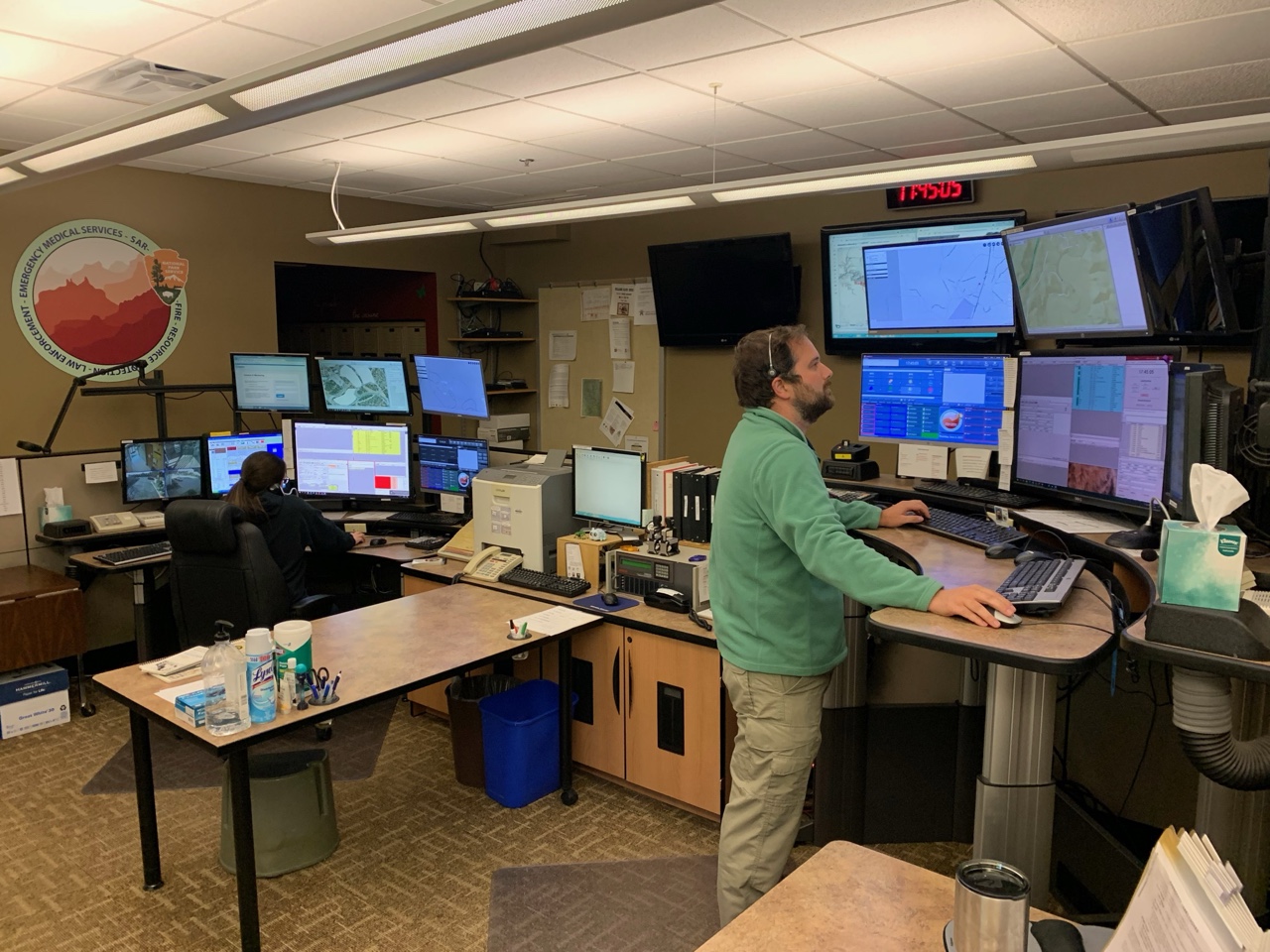
Seattle's Hidden 911 AI, 24/72 Schedule Study, Data Center Fire Risk, And The PTSD Number No One Wants To See
A Seattle Times investigation reveals AI software listening to every 911 call in one of the largest US dispatch centers since 2023, the first peer-reviewed data on 24/72 schedule outcomes, Oklahoma State engineers nanofabrics that block carcinogens at the fiber level, a tri-university team maps fire risk inside AI data centers, Penn State and Toyota redesign lithium-ion electrolyte chemistry to stop thermal runaway, and a meta-analysis quantifies why firefighter PTSD goes untreated even when programs exist.
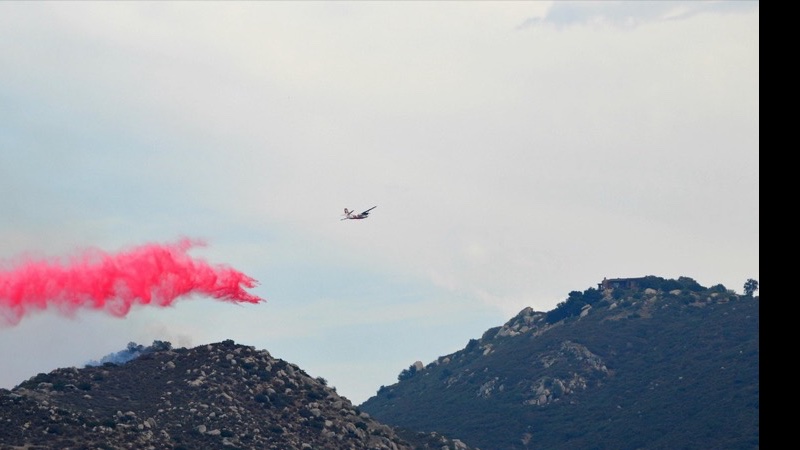
Pano AI Eyes Utility Lines, A Robot Dog Hauls a Water Cannon, AR Helmets Reach Carmel
Pano AI adds spread forecasting and utility coordination, a Chinese quadruped robot with an integrated water cannon debuts at INTERSCHUTZ Hannover, Carmel Indiana firefighters become the first in the Midwest to pilot Qwake's C-THRU AR helmets, NFPA 1700 ships its 2026 edition with brand-new Chapter 13 on search and rescue, FEMA opens $324M in SAFER recruitment grants, and a Reno research team maps wildfire ash plumes like weather systems.
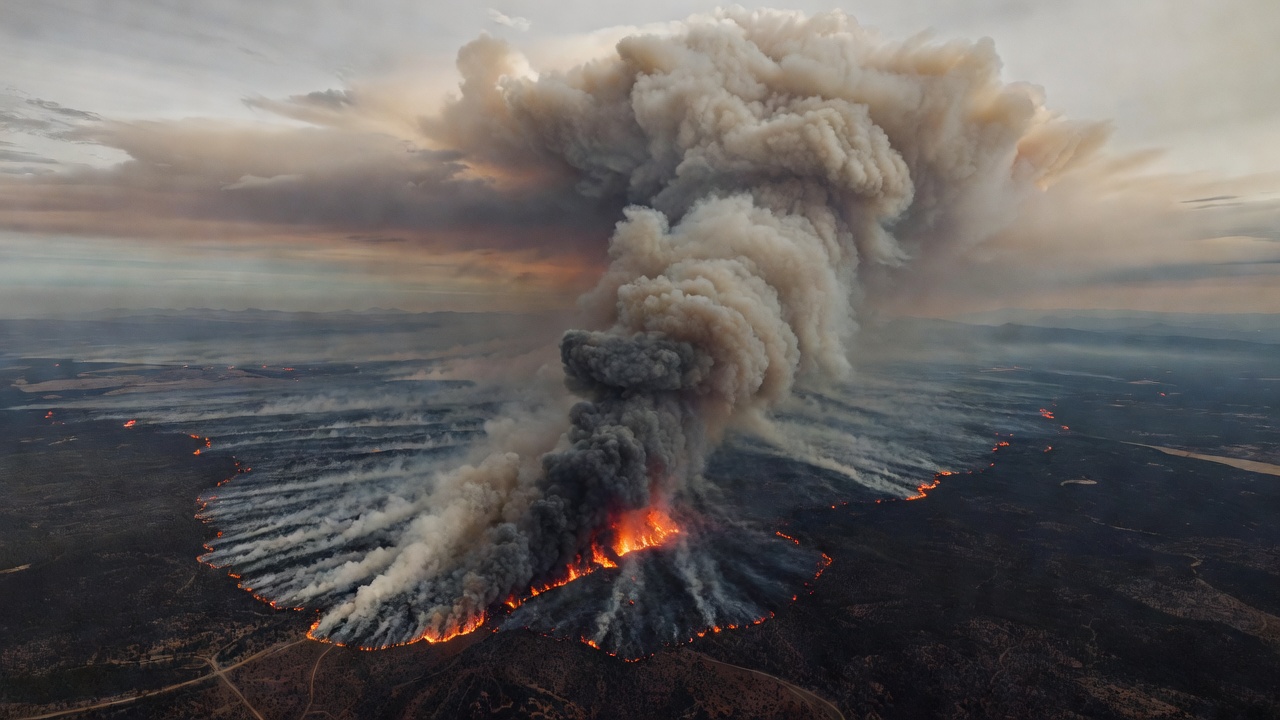
Satellite AI Detects Fires Before 911 Calls, PFAS-Free Gear Goes City-Wide, Electric Aerials Break Weight Barrier
NOAA's AI satellite system spots fires before 911 calls, San Francisco becomes the largest US city to go PFAS-free on turnout gear, and electric aerials break the 16-tonne barrier. Plus wearables streaming firefighter vitals to command, smoldering-phase sensors catching fires before they spread, and New York's 14-point plan to stop the volunteer hemorrhage.
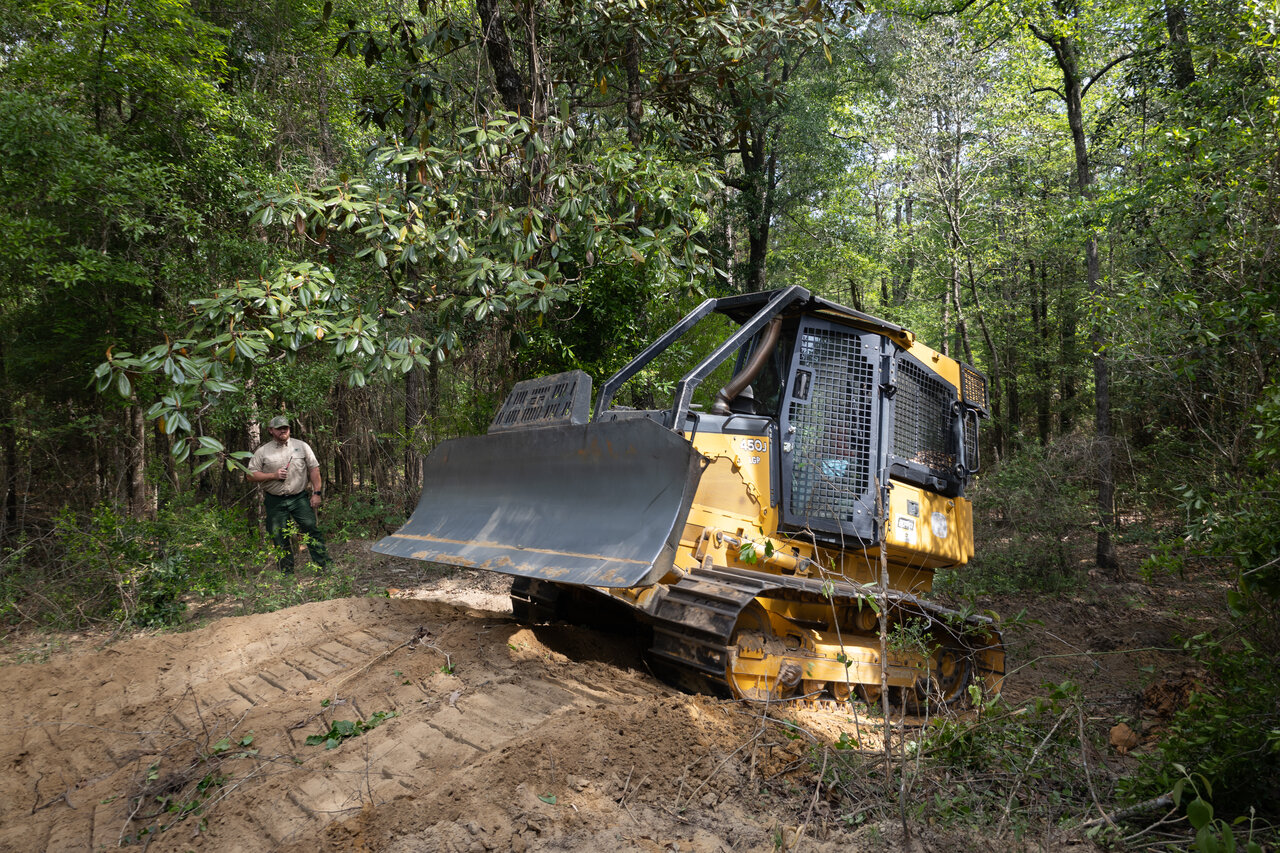
NASA Wires Oven Thermocouples to Fire Dozers, Cancer Registry Tops 49K, NERIS Replaces NFIRS
NASA deploys low-cost thermal sensors on fire bulldozers, the federal firefighter cancer registry crosses 49,000 enrollees, Johns Hopkins finds leadership more worried about health data than firefighters, Berkeley faces station closure in a $30M crunch, NERIS officially retires NFIRS, and Cary NC takes delivery of the East Coast's first Pierce Volterra.
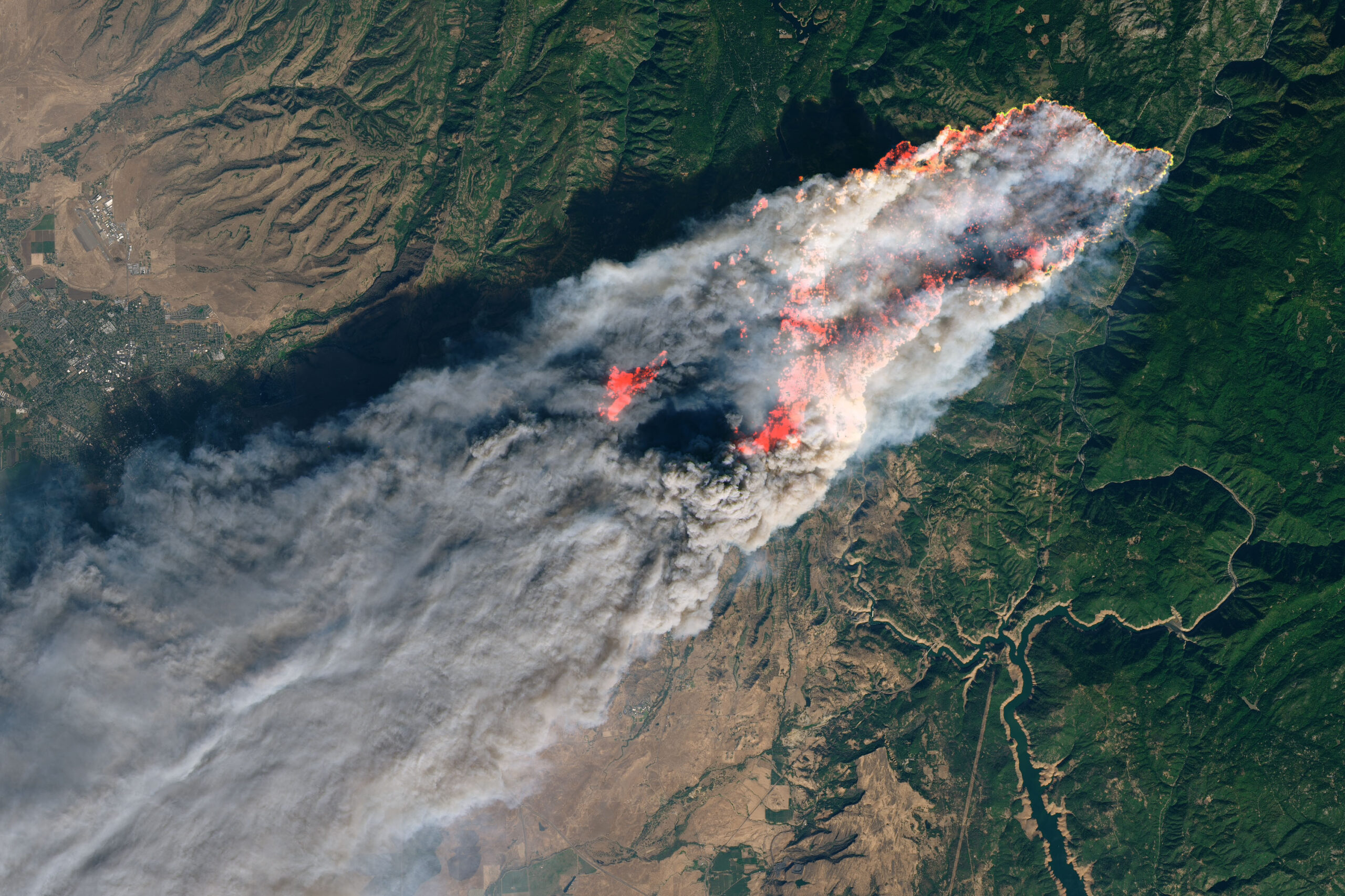
Aerospace Corp Quantifies the Wildfire Tech Gap, FEMA Opens $648M, Robot Dogs Pair with Drones
Aerospace Corp says $350M-$700M a year could close the wildfire tech gap using tools that already exist, FEMA opens $648M in AFG grants with a June 22 deadline, Thompson Rivers University pairs robot dogs with drones, Forest Service drones drop ignition spheres on prescribed burns, Nashville Fire faces budget cuts, and NIST quantifies how wear and tear changes PFAS levels in gear.
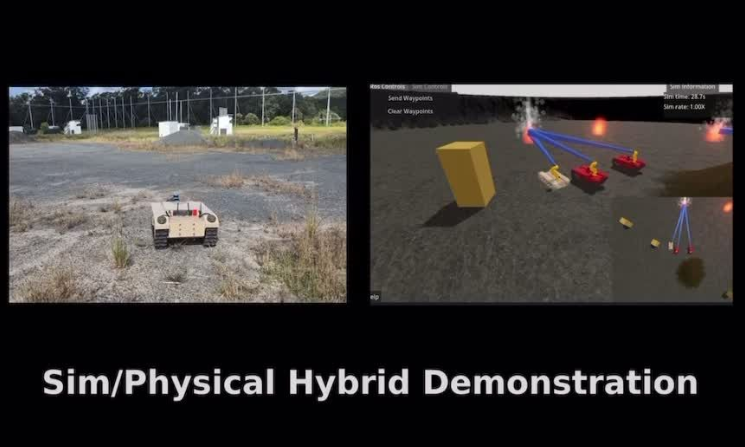
AI Robot Firefighting Teams, Wildfire Detection Cameras, and Pierce CAMS Collision Avoidance
AI-powered robot firefighting teams, wildfire cameras beating 911 calls, UC Davis cancer biomarker study, Pierce CAMS collision avoidance, Saskatoon cloud CAD, and FDIC NextGen Summit leadership.
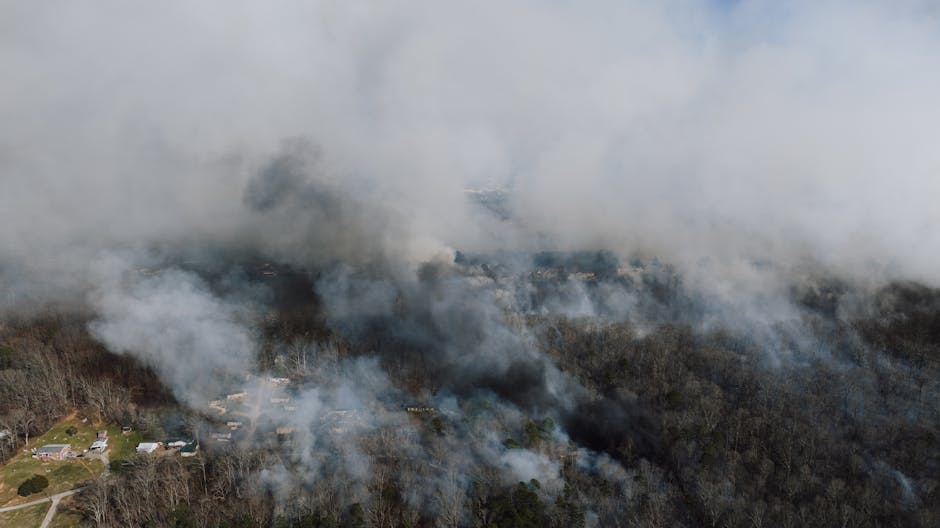
AI Wildfire Prediction, NFPA 1850 Consolidation, and AI-Powered Drones Now Mission-Critical
AI wildfire prediction, NFPA 1850 consolidation, particulate-blocking hoods, State Farm grants, and AI-powered drones shifting from experimental to mission-critical.
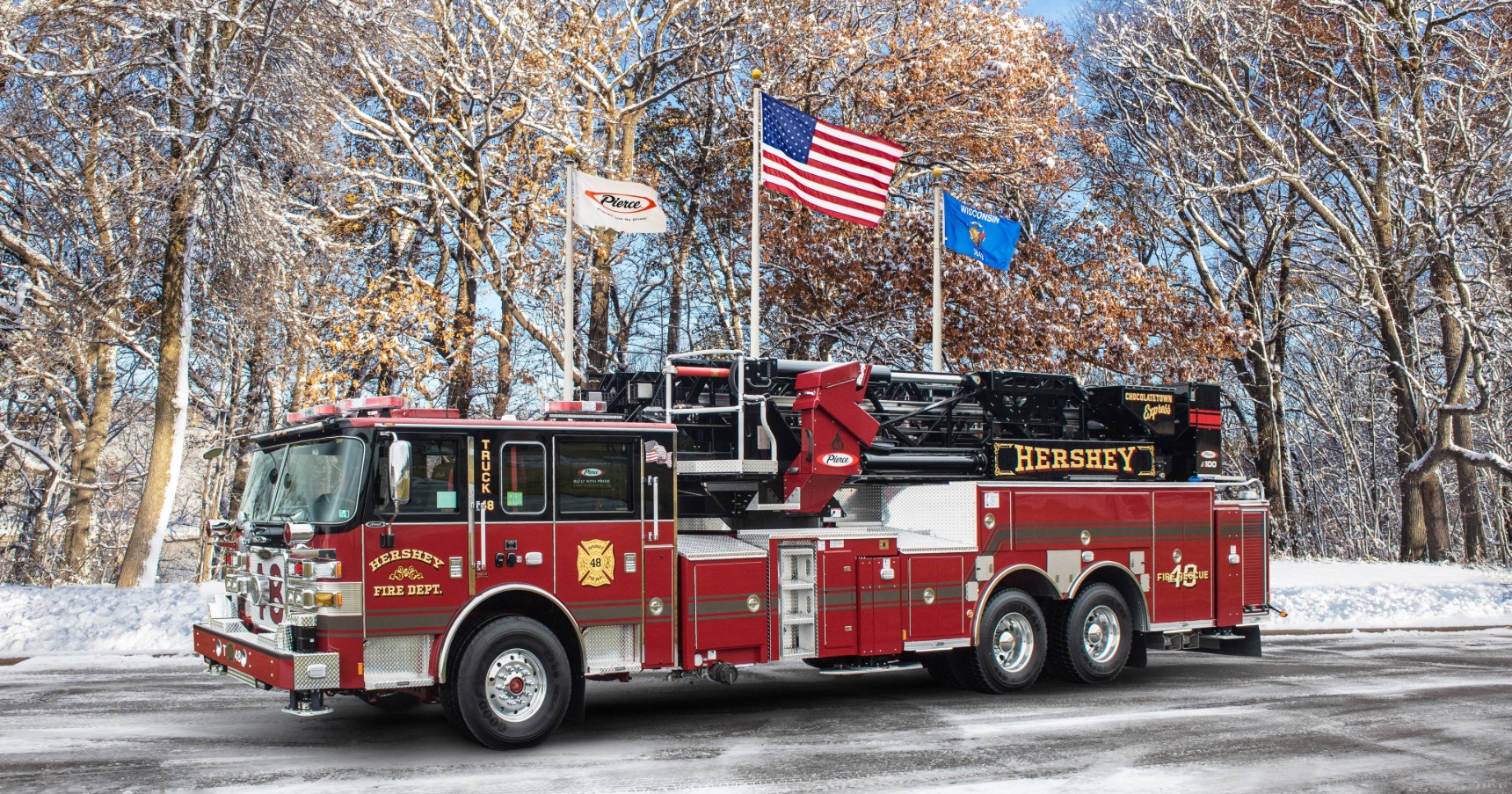
AI Collision Avoidance, Connected SCBA, and the Gear FDIC 2026 Couldn't Stop Talking About
AI-radar collision avoidance for apparatus, SCBA streaming telemetry to command, and a turnout jacket redesigned around how firefighters move.

UL FSRI search-and-rescue tactics, PFAS-free turnout heat stress study, and Munich's AI dispatcher for non-emergency transport
UL FSRI releases three new fireground tactics for search and rescue coordination, App State and NC State study heat stress in PFAS-free turnout gear, and Munich Fire deploys an AI operator to handle non-emergency patient transport calls. Plus MSA G1 XR updates, FEMA flood mitigation, and IAFC volunteer recruitment.
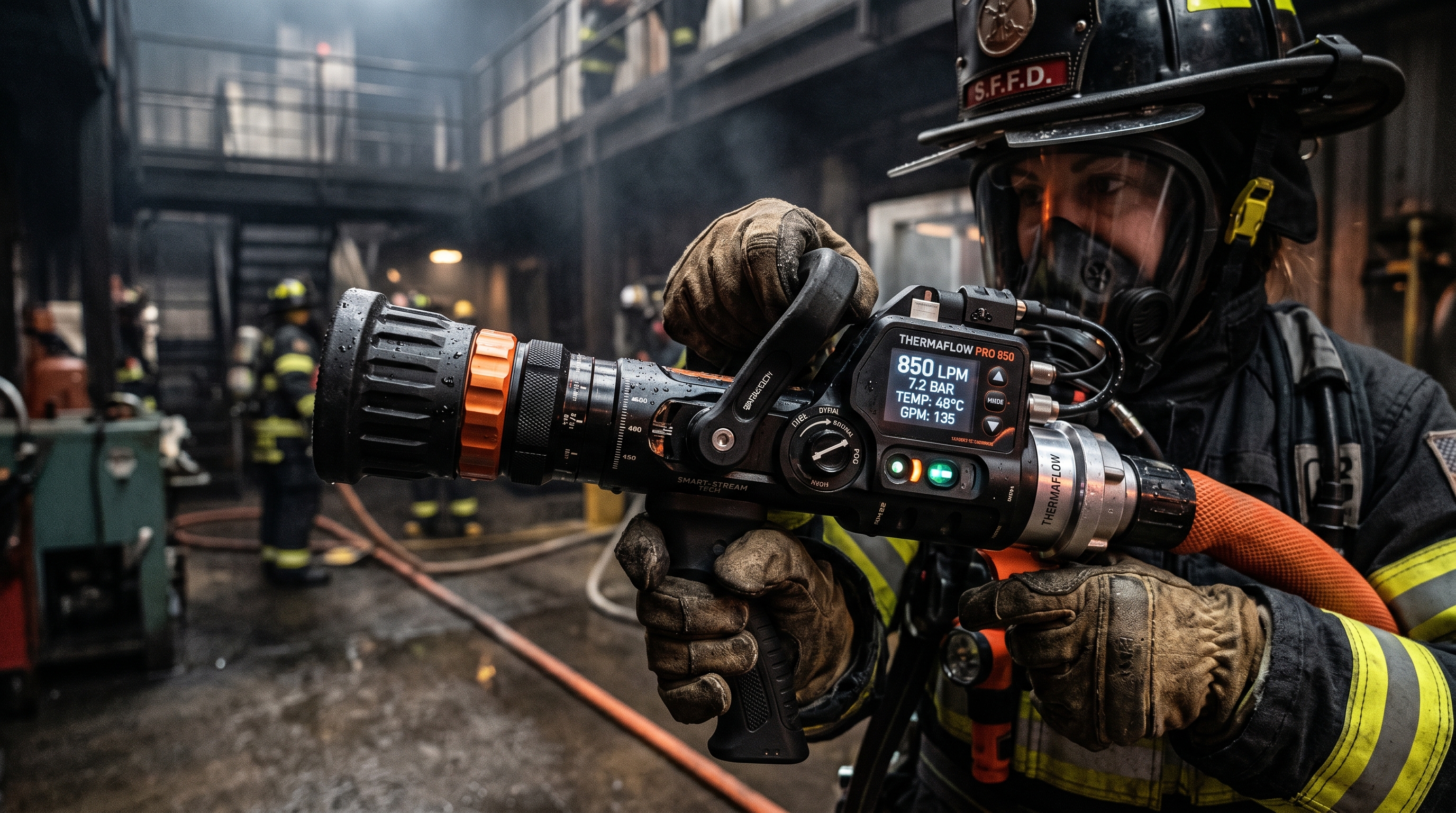
Water turned into data, autonomous drones racing a 10-minute clock, and three years of missed response time goals
This week: a nozzle that trains AI on real fire physics, networked wildfire systems linking helicopters and drones, autonomous suppression drones racing a 10-minute clock, and what San Diego learned from missing response time goals for three straight years. Plus sweat sensors tracking carcinogen exposure and firefighting robots that navigate smoke with millimeter-wave radar.
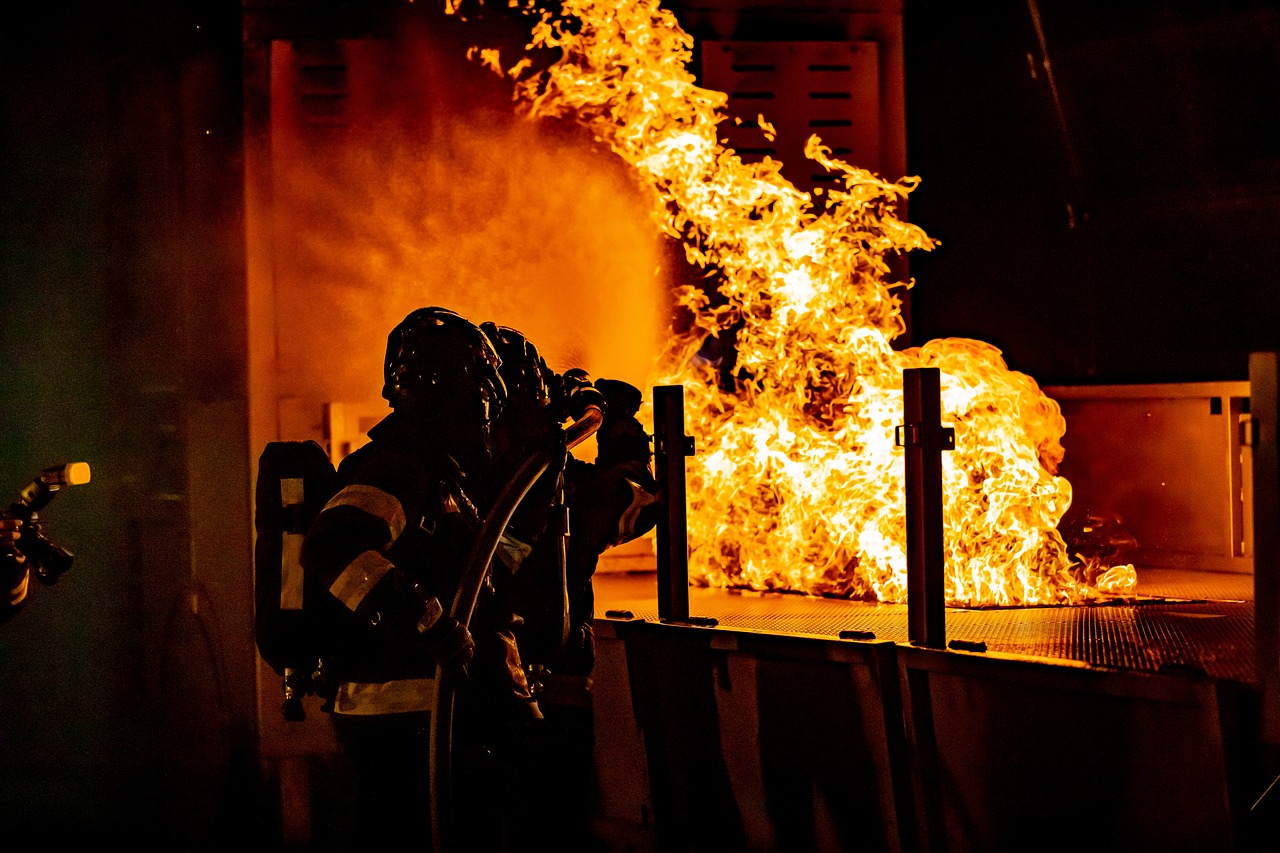
AI voice tools, 24/7 wildfire smoke detection, drones beating first responders, and a seven-year thermal camera gap finally closed
This week: AI voice tools replacing fire station paperwork, a utility deploying 24/7 wildfire smoke detection, drones arriving 40 seconds before first responders in Kansas, and Jacksonville closing a seven-year thermal camera gap. Plus soy-based PFAS-free foam, New Hampshire's first-in-nation cancer screening pilot, and a free IAFC recruitment toolkit.
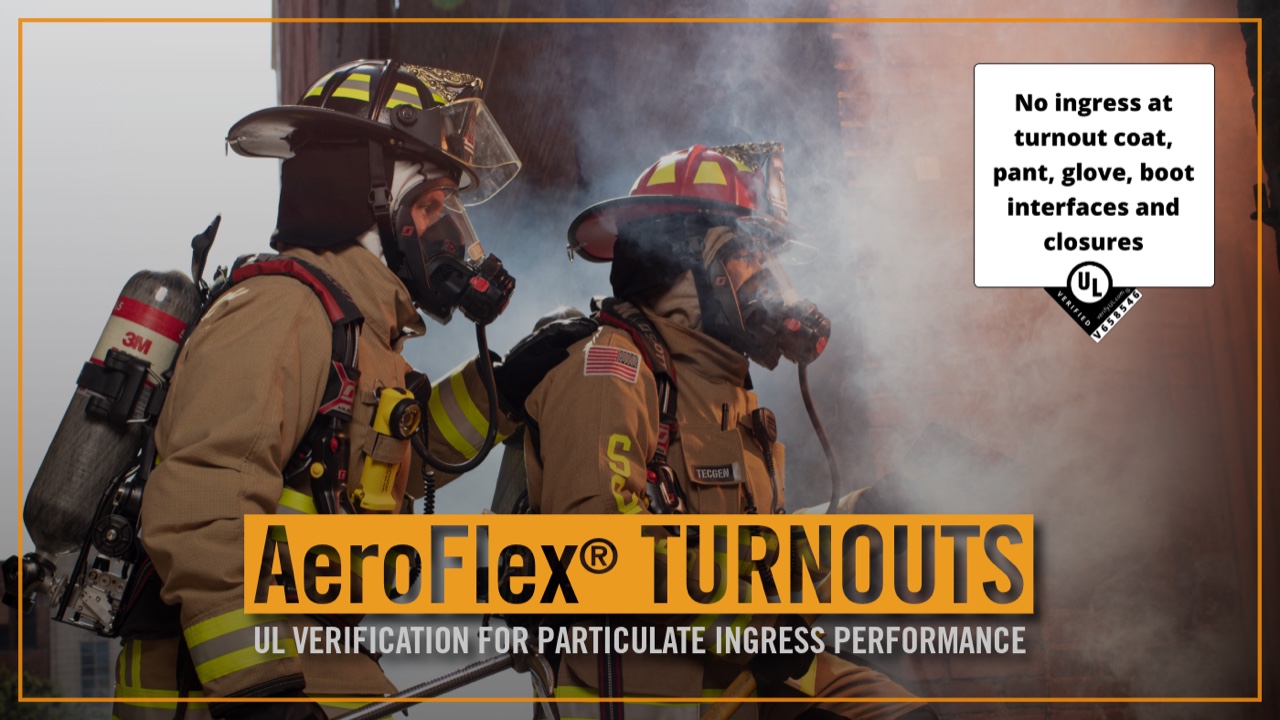
PPE that blocks particulates without trapping heat, the drone summit reshaping deployments, and what San Diego learned from three years of missed response times
This week: PPE that blocks particulates without trapping heat, the summit reshaping how departments deploy drones, FEMA grants on a fast-track timeline, and what San Diego learned from three years of missing response time goals. Plus new gear certifications and helmets headed to the Caribbean.
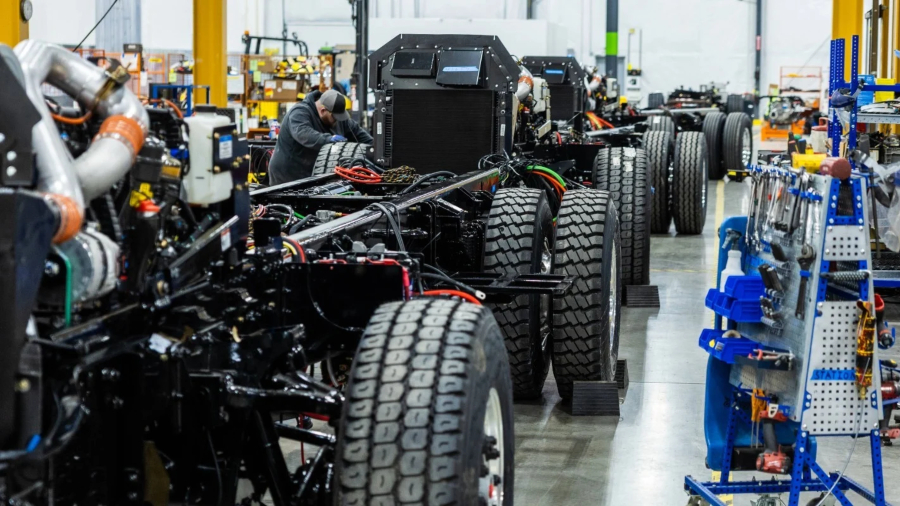
Pierce's high-flow production milestone, AT&T FirstNet's $2B network upgrade, and Providence landing AFG/SAFER grants for new apparatus
Pierce Manufacturing hits a production milestone, AT&T pours $2 billion into FirstNet upgrades, NIOSH publishes new gear laundering research, and Providence secures federal grants for new apparatus and 16 hires.
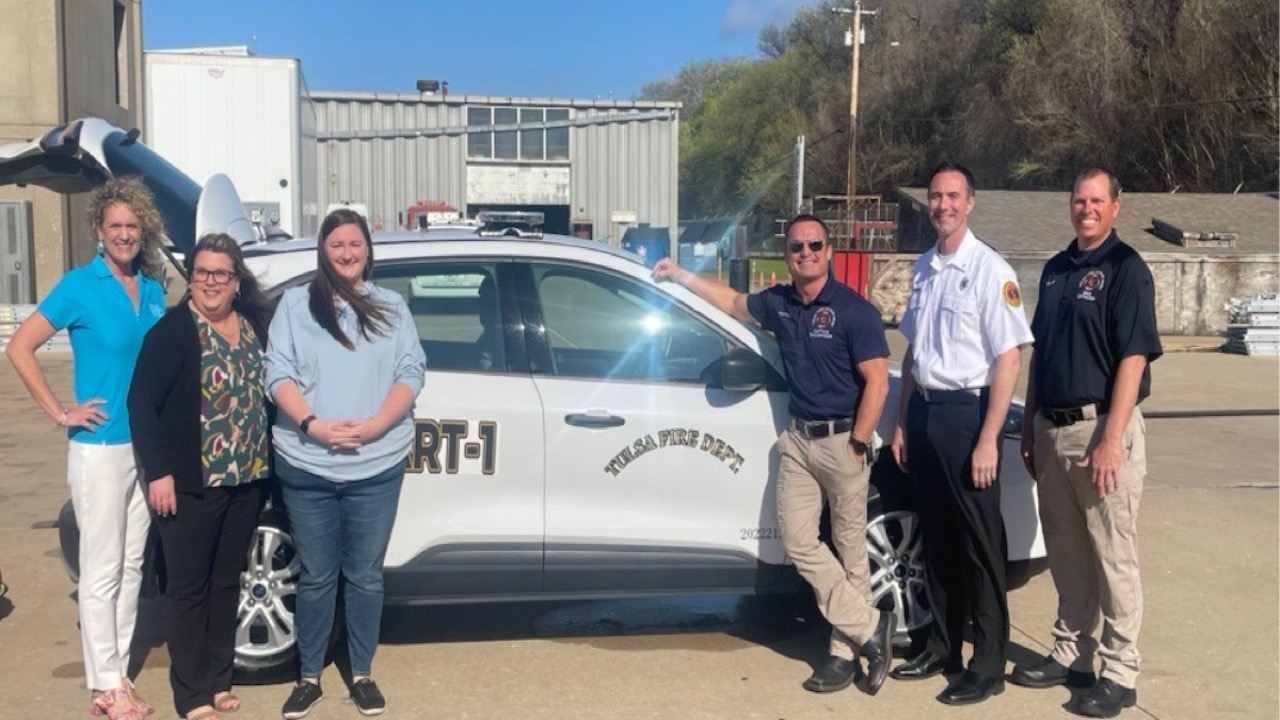
Tulsa's drone program, Seneca tactical UAVs, 3M Scott safety innovations, and Texas AI wildfire detection
Tulsa Fire scales its drone program, Seneca Holdings enters tactical UAVs for public safety, 3M Scott advances SCBA technology, and Texas deploys AI for wildfire detection across the state.
Firefighter mental health breakthroughs, next-gen thermal imaging, and the recruitment crisis hitting rural departments hardest
New approaches to firefighter mental health support, thermal imaging technology advancing faster than department budgets, and the volunteer recruitment crisis deepening in rural America.
PFAS exposure research, electric apparatus pilots, and why your department's data strategy matters more than you think
Emerging PFAS exposure research, electric fire apparatus hitting the testing phase, and the case for treating department data like the asset it is.
Welcome to The Overhaul Brief
The first issue. AI in fire service operations, connected firefighter technology, and why this newsletter exists.